2026 Best Toothpaste Tube Options for Global Buyers Guide?
In the ever-evolving world of dental care, selecting the right "Toothpaste Tube" is crucial. With countless options on the market, understanding these choices can be overwhelming. A quality toothpaste tube not only affects product preservation but also enhances user experience. The right material and design can ensure proper application and minimize waste.
Global buyers face numerous challenges. Different regions have varying preferences and standards for toothpaste packaging. This guide aims to shed light on the best toothpaste tube options available in 2026. We explore materials, sustainability, and consumer feedback to inform your decisions. As consumers, it’s essential to consider what truly matters in a toothpaste tube—whether it's ease of use or environmental impact.
While we present various brands and designs, personal experiences may vary. Some tubes may perform better in different climates or with specific toothpaste formulations. It’s worth reflecting on what aspects are most important. Are you prioritizing ease of use, or are you more concerned with sustainability? This exploration of toothpaste tube options aims to provide valuable insights.
2026 Global Toothpaste Tube Market Trends and Innovations
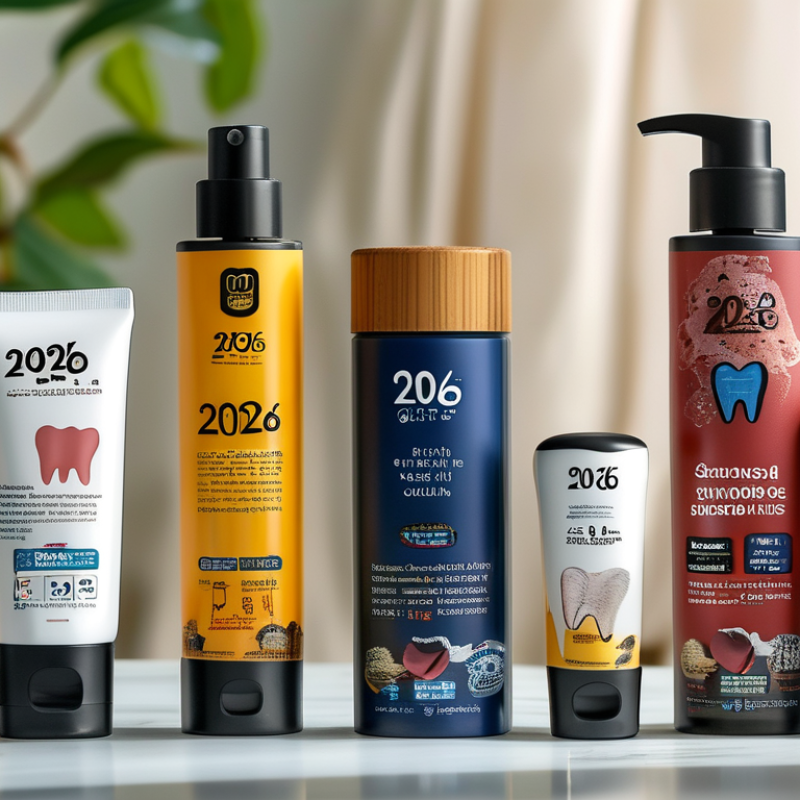
The global toothpaste tube market is evolving rapidly. Innovations are emerging, driven by sustainability and convenience. Consumers are increasingly aware of eco-friendly products. They seek packaging that reduces waste. This shift impacts manufacturing practices and materials used.
In 2026, a variety of new materials may dominate the market. Biodegradable and recyclable tubes are gaining popularity. These options appeal to environmentally conscious buyers. However, challenges remain in balancing cost and functionality. Some manufacturers still rely on traditional materials, making it hard to shift completely.
The design of toothpaste tubes is also changing. Ergonomic shapes improve user experience. Features like precise dispensing help reduce mess. Yet, some users find these newer designs confusing. As trends evolve, brands must address both innovation and customer satisfaction. The market is in a state of transition, reflecting broader societal shifts in consumer behavior.
2026 Global Toothpaste Tube Market Trends
Factors Influencing Toothpaste Tube Material Selection and Sustainability
When selecting toothpaste tube materials, sustainability plays a critical role. The choice of material affects both the environment and consumer health. Many manufacturers face challenges in finding eco-friendly alternatives that also maintain product integrity. For instance, traditional plastic tubes are lightweight and cost-effective, but they contribute to waste.
Many buyers are now seeking biodegradable or recyclable options. Materials like aluminum and plant-based plastics are gaining popularity. However, these alternatives often come with higher production costs. This can lead to a compelling debate about whether sustainability should outweigh affordability. Consumers must weigh their preferences against environmental impacts.
Manufacturers must also consider the entire lifecycle of the tube. From production to disposal, each step has its own environmental footprint. Creating a fully sustainable toothpaste tube remains a work in progress. The ideal solution involves innovative designs, efficient materials, and consumer education. Balancing these elements can drive real change in the oral care industry.
2026 Best Toothpaste Tube Options for Global Buyers Guide
| Material Type |
Recyclability |
Sustainability Rating |
Cost (per 100 tubes) |
Environmental Impact Score |
| Plastic (HDPE) |
Yes |
B+ |
$15 |
3.5 |
| Aluminum |
Yes |
A |
$25 |
2.8 |
| Bioplastic |
Yes |
A+ |
$30 |
2.0 |
| Composite Materials |
Limited |
C |
$20 |
4.0 |
| Recycled Plastic |
Yes |
B |
$18 |
3.0 |
Comparative Analysis of Toothpaste Tube Designs and User Preferences
Toothpaste tube designs have a significant impact on user preferences and overall satisfaction. A recent industry report indicates that 75% of consumers evaluate toothpaste tubes based on ease of use. Popular designs include flip-top caps, which many users find convenient for one-handed operation. However, some users express frustration with older designs. They often struggle with squeezing out the last bits of product. This issue highlights a potential area for improvement in design innovation.
Another aspect to consider is the material of the toothpaste tube. Data shows that 68% of buyers prefer recyclable materials. Eco-friendly packaging is becoming more crucial as consumers become environmentally aware. However, not all recyclable tubes provide the same level of protection against moisture and light degradation. This calls for a careful balance between sustainability and product efficacy that is currently lacking in the market.
Additionally, cultural differences can shape preferences for toothpaste tube designs. In some regions, users favor larger tubes for family use, while others prefer smaller, travel-friendly options. A study found that 54% of global buyers make decisions based on tube size related to their lifestyle. This variation underscores the need for a diverse approach to design, catering to different consumer needs while ensuring functionality.
Impact of Dental Health Awareness on Toothpaste Tube Buying Decisions
Dental health awareness has significantly impacted consumer choices regarding toothpaste tubes. More individuals are becoming educated about oral hygiene's role in overall well-being. As a result, people are more selective in their purchases. They consider factors like ingredients, environmental sustainability, and packaging before buying toothpaste.
This heightened awareness has led to an increased demand for innovative toothpaste packaging. Many buyers now prefer tubes that are recyclable or made from sustainable materials. However, some consumers struggle to find options that are both eco-friendly and effective. This mismatch creates a gap in the market. The challenge lies in balancing health benefits with environmental impact.
Some customers still rely on traditional toothpaste tubes. They may not be aware of the advancements in eco-friendly designs. This reflects a larger trend: while many seek knowledge, some remain hesitant to change. The inconsistency in buyer behavior reveals an opportunity for brands to educate consumers further. By sharing information, they can build trust and enhance consumer loyalty.
Consumer Ratings: Top Toothpaste Tube Brands and Performance Metrics
When choosing toothpaste tubes, consumer ratings can provide valuable insights. Users typically favor brands that demonstrate effective performance metrics. The criteria often include taste, texture, and most importantly, efficacy in promoting oral health. Some buyers report that a paste that foams well feels more effective, whereas others prefer a smoother consistency.
Tips: Always check for fluoride content. Many dentists endorse fluoride for its cavity protection. However, some consumers opt for fluoride-free options due to personal preferences or health beliefs.
Another aspect to consider is packaging. Many brands focus on sustainability. Biodegradable or recyclable tubes are gaining popularity. However, some users feel that these options might compromise product quality. It is essential to weigh personal values against effectiveness when deciding.
Tips: Pay attention to the label. Ingredients matter significantly in toothpaste effectiveness. While natural ingredients appeal to many, they may not always provide the same level of protection as traditional formulations. Therefore, being informed is key to finding the right option.