Top 10 Benefits of PCR Laminate Film for Sustainable Packaging Solutions
In recent years, the shift towards sustainable packaging solutions has gained immense momentum, with businesses across various sectors seeking eco-friendly alternatives that reduce their environmental footprint. One innovative material making waves in this domain is PCR laminate film, which stands for post-consumer recycled laminate film. This advanced packaging solution not only optimizes resource utilization but also supports the circular economy by incorporating recycled materials into its production process. According to Dr. Emily Renfield, an esteemed expert in sustainable materials, "The use of PCR laminate film represents a significant step forward in redefining packaging standards, aligning economic viability with environmental responsibility."
The benefits of PCR laminate film extend far beyond its recyclability. With superior barrier properties, enhanced durability, and versatile applications, this material excels in protecting products while minimizing waste. As companies increasingly focus on sustainable packaging strategies, PCR laminate film emerges as a frontrunner that addresses consumer demands for eco-conscious choices while meeting the logistical needs of manufacturers. In this article, we will explore the top ten benefits of PCR laminate film and how it plays a pivotal role in shaping a more sustainable future for packaging solutions.
Advantages of PCR Laminate Film for Eco-Friendly Packaging
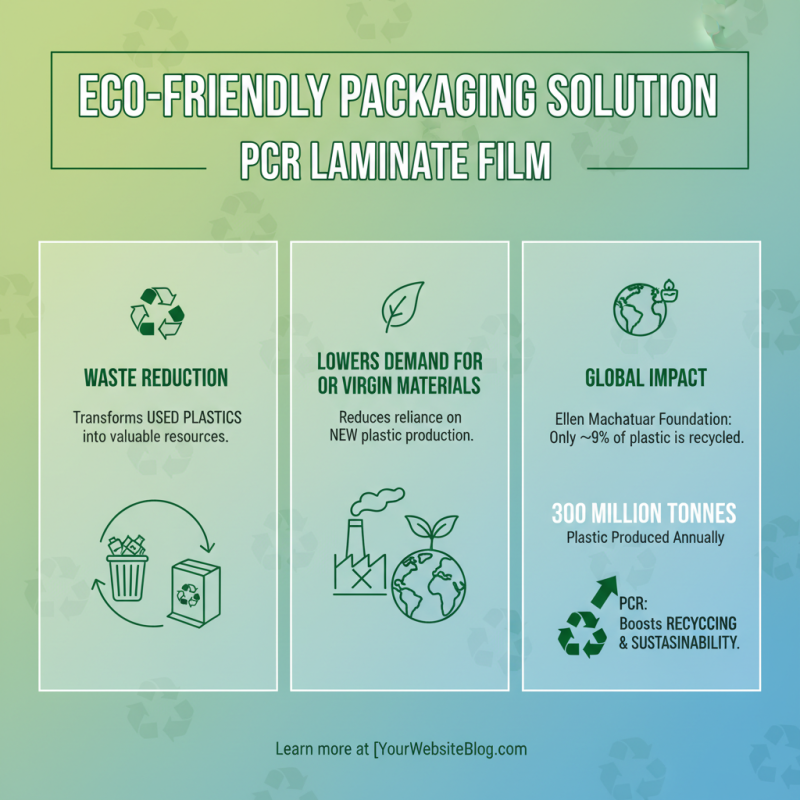
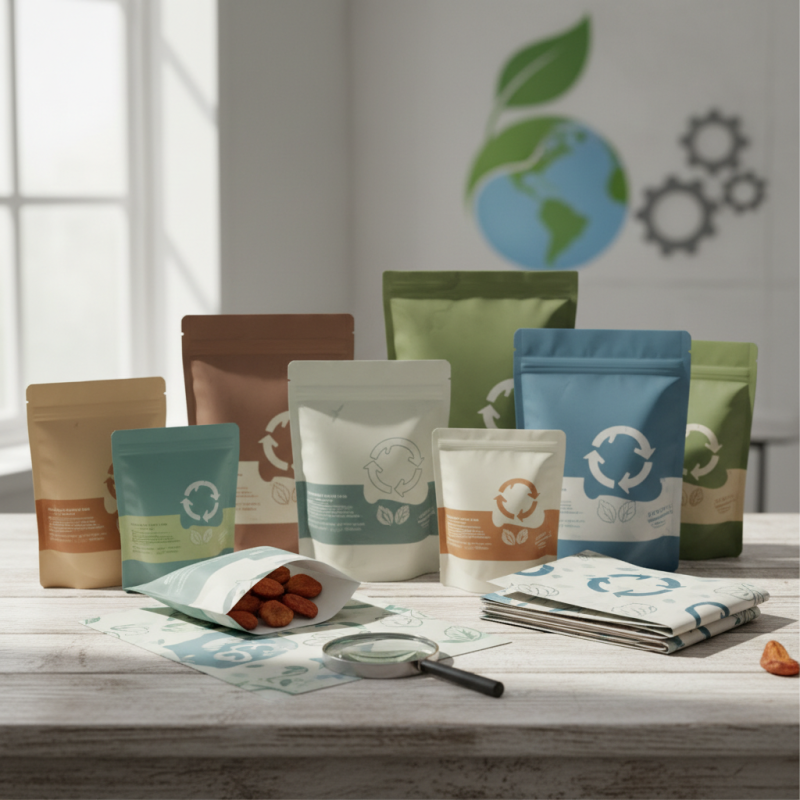
PCR laminate film, or post-consumer recycled laminate film, has emerged as a promising alternative for eco-friendly packaging solutions. One of the primary advantages of PCR laminate film is its ability to significantly reduce plastic waste. According to a report by the Ellen MacArthur Foundation, over 300 million tonnes of plastic are produced each year, with only about 9% being recycled. By using PCR materials, companies can contribute to the reduction of this waste, transforming used plastics into valuable resources and lowering the demand for virgin materials.
Another key benefit of PCR laminate film is its potential for a lower carbon footprint. Research by the Global Packaging Alliance indicates that packaging utilizing recycled materials can reduce greenhouse gas emissions by up to 30% compared to packaging made from virgin plastics. This reduction is crucial as industries increasingly seek sustainable practices to mitigate environmental impact. Additionally, utilizing PCR film not only supports recycling efforts but also helps brands align with consumer expectations for sustainability, as surveys show that over 70% of consumers prefer brands that are environmentally responsible. As businesses adopt PCR laminate film, they will not only meet regulatory pressures but also enhance their brand reputation among eco-conscious consumers.
How PCR Laminate Film Reduces Plastic Waste in the Environment
PCR laminate film, or post-consumer recycled laminate film, has emerged as a promising solution in the efforts to combat plastic waste. By utilizing materials that have already served their purpose and been discarded, PCR laminate film significantly reduces the volume of waste sent to landfills and minimizes the demand for virgin plastic production. This shift towards recycling not only helps in lowering carbon emissions associated with new plastic manufacturing but also allows for a circular economy approach where materials are continuously repurposed.
Moreover, the adoption of PCR laminate film directly confronts the environmental concerns linked with conventional packaging. Traditional plastic packaging contributes to widespread pollution, taking centuries to decompose and often ending up in oceans and ecosystems. In contrast, PCR laminate film helps reduce the reliance on these harmful materials by repurposing existing plastics, effectively leading to lower plastic consumption overall. This reduction has a significant positive impact on the environment, as it aids in limiting the degradation of natural habitats and marine life, which are often adversely affected by plastic debris.
Through the integration of PCR technology, businesses and consumers alike can participate in sustainable practices that prioritize ecological responsibility while still meeting the demands of modern packaging.
The Role of PCR Laminate Film in Circular Economy Practices
PCR laminate film plays a crucial role in advancing circular economy practices by providing a sustainable solution for packaging needs. By utilizing post-consumer recycled (PCR) materials, this laminate film significantly reduces the reliance on virgin plastics. This not only helps in minimizing plastic waste but also conserves natural resources and reduces carbon emissions associated with the production of new plastic materials. Such a move encourages manufacturers to adopt more environmentally friendly practices, fostering a culture of sustainability within the industry.
Moreover, PCR laminate film contributes to the circular economy by facilitating recycling processes. Packaging made from PCR materials is designed to be recyclable, encouraging consumers to participate in recycling programs. This not only helps in closing the loop of product life cycles but also promotes the development of a robust recycling infrastructure. By integrating PCR laminate film into their packaging solutions, companies can enhance their sustainability profiles, support waste reduction initiatives, and contribute to a healthier environment, all while meeting consumer demands for more responsible products.
Top 10 Benefits of PCR Laminate Film for Sustainable Packaging Solutions
| Benefit |
Description |
Impact on Sustainability |
| Reduced Carbon Footprint |
Utilizing post-consumer recycled content lowers emissions compared to virgin material production. |
Contributes to a lower overall environmental impact. |
| Resource Conservation |
PCR laminate film reduces the need for new raw materials, conserving natural resources. |
Supports sustainable sourcing practices. |
| Enhanced Brand Value |
Brands using sustainable materials enhance their reputation and appeal to eco-conscious consumers. |
Promotes consumer loyalty and trust. |
| Waste Reduction |
Encourages a circular economy by reusing materials that would otherwise become waste. |
Diverts waste from landfills. |
| Regulatory Compliance |
Helps businesses meet evolving environmental regulations and standards. |
Reduces legal risks and compliance costs. |
| Customizable Properties |
PCR laminate films can be tailored for various applications and specific needs. |
Increases versatility in product offerings. |
| Consumer Education |
Promotes awareness about recycling and sustainable practices among consumers. |
Encourages more sustainable consumer behaviors. |
| Longer Shelf Life |
Improved barrier properties can enhance the shelf life of packaged goods. |
Reduces food waste and resource consumption. |
| Increased Recycling Potential |
Made from materials that can be further recycled at the end of their life cycle. |
Promotes a fully circular lifecycle for packaging. |
| Cost-Effectiveness |
Often comparable in cost to traditional options while providing sustainability benefits. |
Makes running a sustainable business more economically viable. |
Cost-Effectiveness of Using PCR Laminate Film in Sustainable Packaging
The cost-effectiveness of using post-consumer recycled (PCR) laminate film in sustainable packaging is becoming increasingly significant for businesses looking to minimize environmental impact while maintaining economic viability. According to a recent report by Smithers Pira, the global demand for sustainable packaging is projected to reach $500 billion by 2027, with companies actively seeking solutions that reduce waste and enhance recyclability. PCR laminate film, which is made from recycled materials, offers a viable solution to meet this demand without incurring higher costs typically associated with virgin materials.
Moreover, utilizing PCR laminate film can lead to substantial savings across the supply chain. A study conducted by the Ellen MacArthur Foundation indicates that using recycled materials can reduce costs by up to 30% compared to traditional packaging solutions. This is particularly relevant in the context of increasing operational costs associated with raw materials and transportation. The environmental benefits, coupled with these cost savings, position PCR laminate film as an economical choice for companies striving for sustainable practices. By investing in PCR laminate film, businesses not only contribute to a circular economy but also realize long-term financial benefits, ultimately enhancing their bottom line in an increasingly eco-conscious market.
Top 10 Benefits of PCR Laminate Film for Sustainable Packaging Solutions
Comparative Analysis: PCR Laminate Film vs. Traditional Packaging Materials
The landscape of packaging materials is evolving, with PCR laminate film emerging as a sustainable alternative to traditional options. Traditional packaging materials, often derived from non-renewable resources, contribute significantly to environmental pollution and waste. In contrast, PCR (Post-Consumer Recycled) laminate film is crafted from recycled plastics, reducing the demand for virgin materials and promoting a circular economy. This key distinction highlights PCR laminate film's potential to minimize the carbon footprint associated with packaging, making it a greener choice for environmentally conscious businesses.
When evaluating the performance of PCR laminate film against conventional materials, several advantages become apparent. PCR films exhibit comparable strength and durability, ensuring product protection without compromising quality. Furthermore, they offer enhanced barrier properties that safeguard contents from moisture and oxygen, rivaling traditional laminates. Additionally, the use of PCR materials can significantly decrease landfill contributions, aligning with sustainability goals and consumer demand for eco-friendly solutions. This comparative analysis underscores the viability of PCR laminate film as a superior choice for sustainable packaging, presenting a compelling case for industries looking to innovate while prioritizing environmental responsibility.