10 Best Polyethylene Tube Options for Your Projects?
Polyethylene tubes have become essential in many industries, from construction to medical applications. Their versatility and durability make them a preferred choice for various projects. According to a report by Smith & Associates, the global market for polyethylene tubes is projected to grow significantly, reaching $1.5 billion by 2025. This growth reflects the increasing demand for reliable and lightweight piping solutions.
Dr. Emily Chen, a leading expert in polymer materials, emphasizes the importance of selecting the right polyethylene tube for your specific needs. She states, "The correct polyethylene tube can enhance efficiency and safety in numerous applications." However, with numerous options available, the selection process can be overwhelming.
It's vital to consider attributes like chemical resistance, flexibility, and pressure ratings. Each project has unique demands. Therefore, understanding these factors is crucial. Choosing a polyethylene tube without adequate research can lead to inefficiencies in your project. A careful approach will ensure you select the right product that meets your requirements while avoiding potential pitfalls.
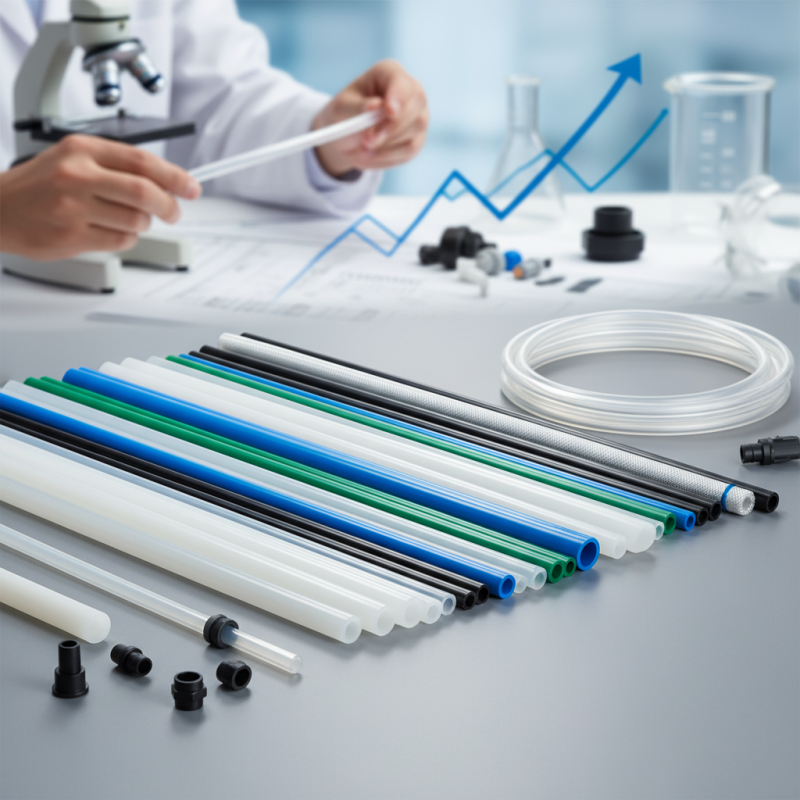
Understanding Polyethylene Tubes: Properties and Benefits
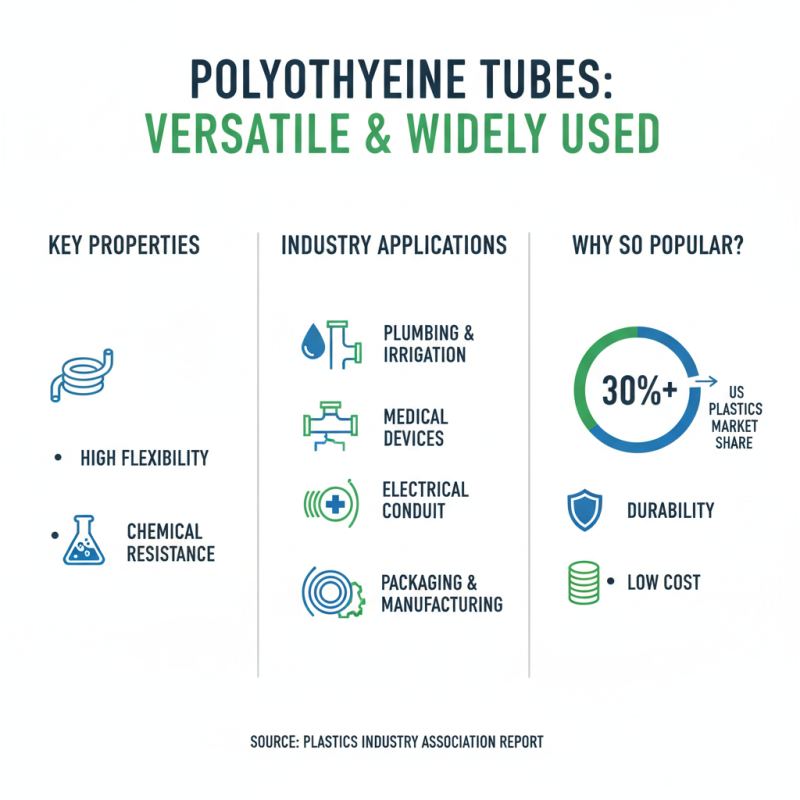
Polyethylene tubes are versatile and widely used in various industries. They have unique properties that make them suitable for many applications. For instance, they boast high flexibility and excellent chemical resistance. According to a report by the Plastics Industry Association, polyethylene accounts for over 30% of the plastic materials used in the U.S. This popularity stems from their durability and low cost.
Despite their strengths, there are drawbacks to consider. Over time, polyethylene can degrade when exposed to UV light. This can limit outdoor applications. Some professionals may overlook this factor when choosing materials. In situations where UV exposure is significant, alternative materials might be worth exploring.
The benefits of polyethylene tubes are evident, yet it's essential to recognize their limitations. They are lightweight, and this feature is attractive for many projects. They are also easy to install and can fit into tight spaces. However, they cannot withstand high temperatures as well as some other materials. This inconsistency makes careful selection vital. An understanding of the project requirements can lead to better outcomes.
Key Factors to Consider When Choosing Polyethylene Tube
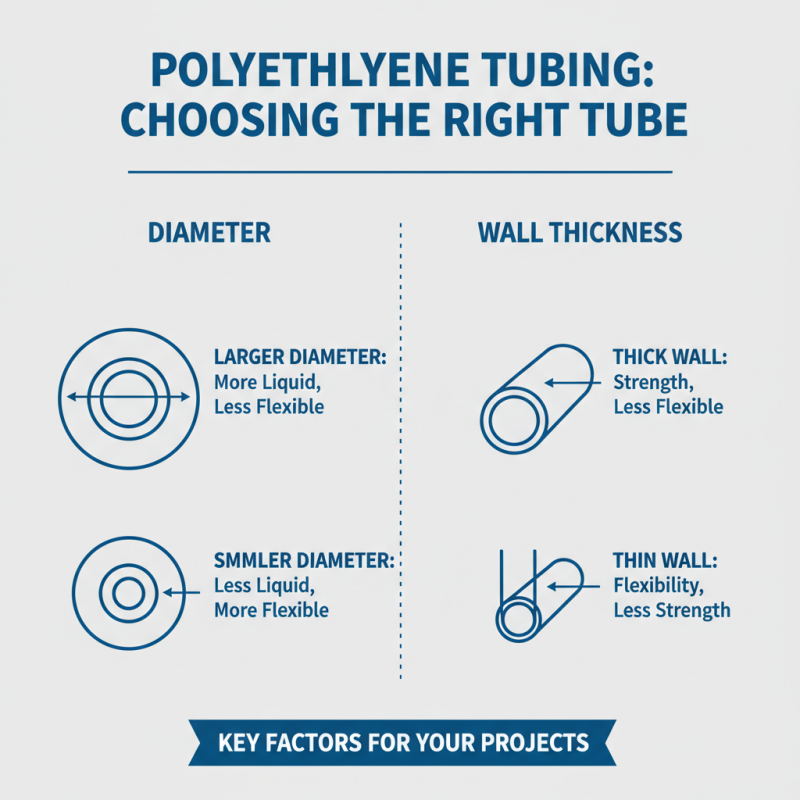
When choosing polyethylene tubes for your projects, several factors come into play. The diameter and wall thickness are crucial. A larger diameter may carry more liquid but can be harder to manipulate. Wall thickness affects durability. Thinner walls are often more flexible, while thicker ones provide strength but may be less flexible.
Temperature resistance is another important consideration. Polyethylene can behave differently under varying temperatures. If you plan to expose the tube to extreme heat or chill, ensure it can handle those conditions. Some tubes are more suited for outdoor use, resisting UV rays. Always check the specifications for this.
Here are a few tips. Measure your needs carefully before purchasing. A misjudged size can waste resources. Don’t forget about the tube's compatibility with any materials passing through it. Finally, consider the intended application. Whether for irrigation, beverage transfer, or other uses, not all tubes fit every scenario. Administrative decisions matter here! Making a choice without sufficient knowledge can lead to project setbacks.
Top 10 Polyethylene Tube Products for Various Applications
Polyethylene tubes are versatile materials used in various projects. They come in different sizes and thicknesses, making them suitable for many applications. For instance, they can be utilized in agriculture for irrigation systems. These tubes are lightweight and easy to handle. Farmers appreciate their resistance to chemicals and UV rays.
In construction, polyethylene tubes serve multiple purposes. They can be effective for electrical conduits or as protective covers for wires. Their durability is impressive, though some users report challenges in cutting them cleanly. When not properly measured, they may not fit as expected. This can lead to wasted resources and time.
In laboratory environments, polyethylene tubes are essential for transporting liquids. Their flexibility allows for easy manipulation during experiments. Yet, some scientists have noted that not all tubes hold up against high temperatures effectively. Users often need to test their materials before starting critical work. Understanding how each product performs is crucial for success in any project.
Comparative Analysis of Polyethylene Tube Options
When choosing polyethylene tubes for projects, various options exist. Each type has distinct characteristics. Some are flexible while others are rigid. The right choice depends on your specific needs.
For instance, thickness matters. Thinner tubes are lightweight and easy to handle. However, they may lack durability. In contrast, thicker tubes provide enhanced resistance but can be cumbersome. This can complicate transport and installation.
Another factor is temperature resistance. Some tubes perform poorly in high heat. Others might become brittle in cold conditions. Such weaknesses could limit their application. It's crucial to consider the operating environment to avoid future issues. Additionally, clarity is essential for applications like aquariums. If a tube is too cloudy, it could obstruct visibility. Each choice requires careful evaluation to ensure it meets your project’s demands.
Comparative Analysis of 10 Best Polyethylene Tube Options
Best Practices for Installing and Maintaining Polyethylene Tubes
When installing polyethylene tubes, proper practices ensure longevity and performance. Keep in mind that installation temperature matters. According to a recent industry report, optimal temperatures for installation range from 60 to 80 degrees Fahrenheit. At these temperatures, the materials remain flexible. This flexibility aids in better fitting at joints and reduces stress points.
Preventative maintenance is equally essential. Regular inspections can reveal early signs of wear or damage. Studies indicate that 30% of problems arise from improper securing of tubes. Ensure that fittings are snug but not overly tight. Leaks often begin in these critical areas.
Over time, dirt and debris can accumulate in tubing. This buildup can reduce flow rates significantly. Cleaning techniques differ based on the application. Using a gentle brush can help remove particles without causing damage. Periodic maintenance can double the lifespan of polyethylene tubes, a significant consideration for project managers. Regular checks, temperature awareness, and thoughtful cleaning make a difference in performance.