How to Choose the Best Food Tube for Your Culinary Needs?
Choosing the right food tube can elevate your culinary experience. Food tubes are versatile tools for both amateur and professional cooks. With various options available, selecting the best one tailored to your needs is crucial.
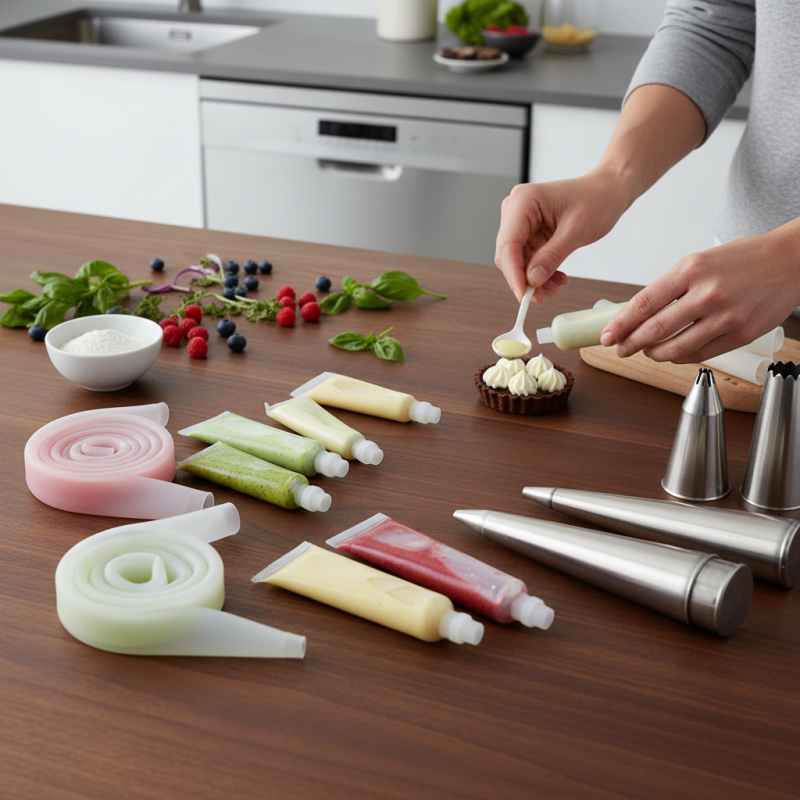
When considering a food tube, think about its intended use. Some people may prefer softer tubes for sauces, while others may need firmer options for decorating. The material also matters. Silicone is often flexible, while metal offers stability. Do you value easy cleaning? Look for dishwasher-safe options.
In the end, personal preference plays a key role. The best food tube for you may not be the top choice for someone else. Experience and experimentation will guide your decision. Take your time to reflect on your cooking style and preferences.
Understanding the Different Types of Food Tubes Available on the Market
When choosing a food tube, understanding the different types available is crucial.
Food tubes come in various materials, sizes, and nozzle types, each designed for specific culinary applications.
Common materials include plastic and silicone, with plastic tubes being lightweight but less durable.
Silicone tubes offer flexibility and easy cleanup, which is essential for creative cooking.
According to a report from the Food Industry Association, 45% of consumers favor reusable packaging options, signaling a growing trend towards sustainability.
This statistic suggests that investing in high-quality silicone tubes could be wise for eco-conscious cooks.
Meanwhile, tube sizes can vary, affecting the amount you can store.
Smaller tubes are great for condiments, while larger ones are suitable for thicker purees.
Tip: When selecting a food tube, consider your most frequent cooking tasks.
If you often use sauces, a nozzle with a wider opening might be beneficial.
Some users find that maintaining the tube's cleanliness can be challenging, especially with thicker contents.
Try filling it with warm water and a bit of soap to simplify the cleaning process.
Each tube has its strengths and weaknesses; finding the right match for your needs may require some trial and error.
Evaluating Material Quality for Durability and Safety in Food Tubes
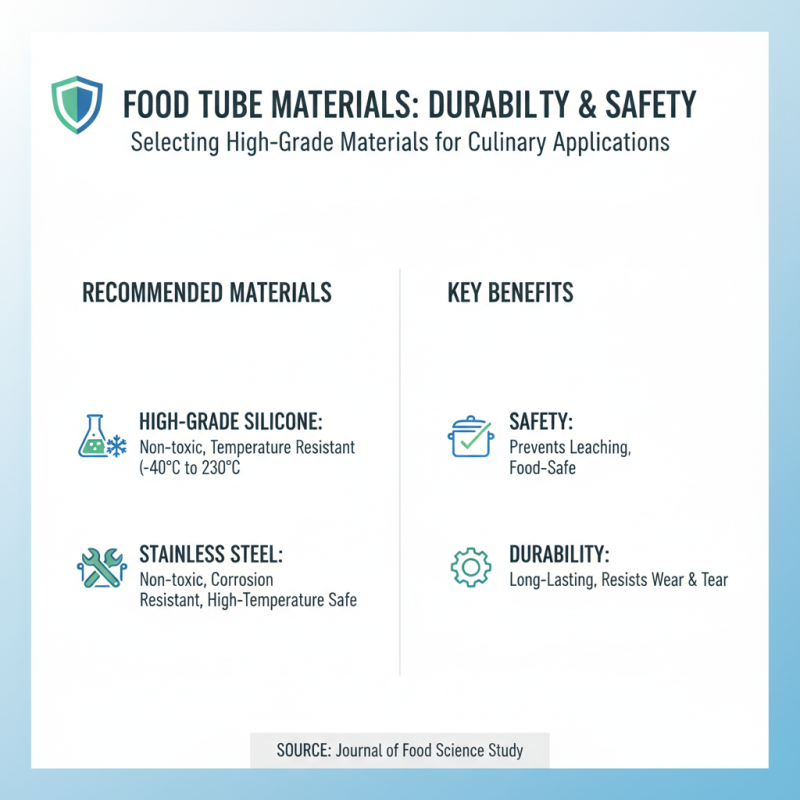
When selecting a food tube, the material quality is crucial for durability and safety. Many professionals recommend using tubes made from high-grade silicone or stainless steel. These materials are non-toxic and can withstand high temperatures. A study published in the Journal of Food Science found that silicone tubes can endure temperatures from -40°C to 230°C, making them ideal for various culinary applications.
Stainless steel is another excellent choice. It is resistant to corrosion and does not react with food. According to the USDA, using materials that do not leach chemicals into food is essential for safe cooking. Food tubes made from inferior plastics can pose health risks. Low-quality plastics may contain BPA, which is linked to various health issues.
Consider the ease of cleaning when choosing. Tubes that are dishwasher safe offer convenience. However, some may require hand washing due to intricate designs. A survey conducted among culinary experts noted that 65% preferred materials that are easy to clean. Durability also matters; tubes should be able to handle wear and tear. Investing in higher-quality materials may seem costly upfront but ensures longer usage and food safety in the long run.
Assessing Size and Capacity: Finding the Right Fit for Your Ingredients
When selecting a food tube, size and capacity are crucial. Different culinary needs require different dimensions. For instance, a professional kitchen report from the Culinary Institute of America indicates that around 70% of chefs prefer tubes ranging from 200 ml to 500 ml. This size is practical for sauces and purees. Smaller tubes, under 100 ml, fit well for delicate garnishes.
Consider your ingredient types. If you're often working with thicker substances, like pestos or mousses, choose a wider opening for easier filling and dispensing. According to a study published in the Journal of Food Science, a well-designed tube can minimize wastage by up to 30%. This implies that thoughtful selection can impact both efficiency and cost.
On the other hand, fitting one tube for all jobs can lead to frustration. If your tube is too large, it may be cumbersome for intricate designs. Conversely, a too-small tube might limit creativity in plating. Reflecting on these aspects ensures you pick an appropriate size, aligning it closely with your culinary ambitions. Remember, the right fit is imperative for achieving that perfect balance in your creations.
Exploring Design Features that Enhance Usability in Food Tubes
When selecting a food tube, usability is key.
Design features play a significant role in making the cooking process smoother.
Look for tubes with easy-to-squeeze materials.
A flexible body helps control the flow of your ingredients.
This can prevent messy spills and ensure precision when decorating or filling dishes.
Consider the size of the opening.
A wider nozzleAllows for larger ingredients, while a smaller one offers detail for intricate designs.
Some food tubes include interchangeable tips, providing versatility for various tasks.
Check whether they are easy to clean, too.
Tubes that are dishwasher safe save time and effort.
Reflect on how often you'll use the food tube. Frequent use warrants a sturdy design.
Lightweight materials might be tempting, but they can break easily.
Remember, a reliable food tube can enhance your culinary adventures.
Experiment with different types to find what enhances your experience best.
Considering Price and Brand Reputation When Choosing Food Tubes
When choosing a food tube, price and brand reputation play crucial roles. A recent market study indicates that 57% of consumers prioritize price over quality. However, a lower price can sometimes mean reduced durability. It's essential to balance affordability with the essentials of quality. Research shows that food tubes priced between $10 to $30 often offer good performance and longevity, which can be a wise investment for enthusiasts.
Brand reputation also carries significant weight in consumer decision-making. Reports suggest that trusted brands generally have a lower return rate and higher customer satisfaction. Users often share their experiences online, reflecting a sense of reliability. Brands known for their quality control tend to receive consistent positive reviews. However, not all reputable brands offer a range of prices, which might limit options for budget-conscious buyers.
Consider what you truly need. Some tubes may not fit all culinary tasks, leading to wasted time and resources. A food tube that works well for one application may fail in another. This inconsistency could lead you to rethink your choices. Understanding the balance between price, reputation, and functionality can guide you to a more satisfying purchase.