How to Choose the Best PBL/RPBL Laminate Film for Your Packaging Needs
Choosing the right PBL/RPBL laminate film is crucial for ensuring the integrity and quality of your packaging needs. With a plethora of options available on the market, it can be overwhelming to determine which film type will provide the best performance for your specific application. PBL (Polypropylene-Based Laminate) and RPBL (Recyclable Polypropylene-Based Laminate) films are designed to offer excellent barrier properties, durability, and aesthetic appeal, making them popular choices for various packaging products.
In this guide, we will explore the key factors to consider when selecting the best PBL/RPBL laminate film for your packaging requirements. Understanding the characteristics of these films, including their moisture and oxygen barrier capabilities, thermal sealing properties, and sustainability aspects, is essential in making an informed decision. By assessing your packaging goals, product compatibility, and environmental impact, you will be empowered to choose a laminate film that not only meets your operational needs but also enhances the overall presentation and preservation of your products.
Understanding PBL/RPBL Laminate Films and Their Applications
PBL (Polyester Based Laminate) and RPBL (Reverse Polyester Based Laminate) films are gaining recognition in the packaging industry due to their unique properties and applications. These films offer exceptional barrier performance against moisture, oxygen, and other environmental factors, making them ideal for a variety of products, from food to pharmaceuticals. Understanding the characteristics and suitable applications of PBL and RPBL films can greatly enhance packaging efficiency and product shelf life.
When selecting the appropriate laminate film for packaging needs, it is crucial to consider the specific requirements of the product being packaged. PBL films are known for their strong mechanical properties and resistance to tearing, which are benefits in applications where durability is paramount. On the other hand, RPBL films often provide better sealing capabilities and can be advantageous in environments where temperature control is essential. Each type serves distinct purposes, and understanding these nuances enables manufacturers to optimize their packaging solutions effectively, ensuring that products remain protected and maintain their quality for longer periods.
Comparison of PBL/RPBL Laminate Films for Packaging Applications
Key Properties to Consider for Effective Packaging Solutions
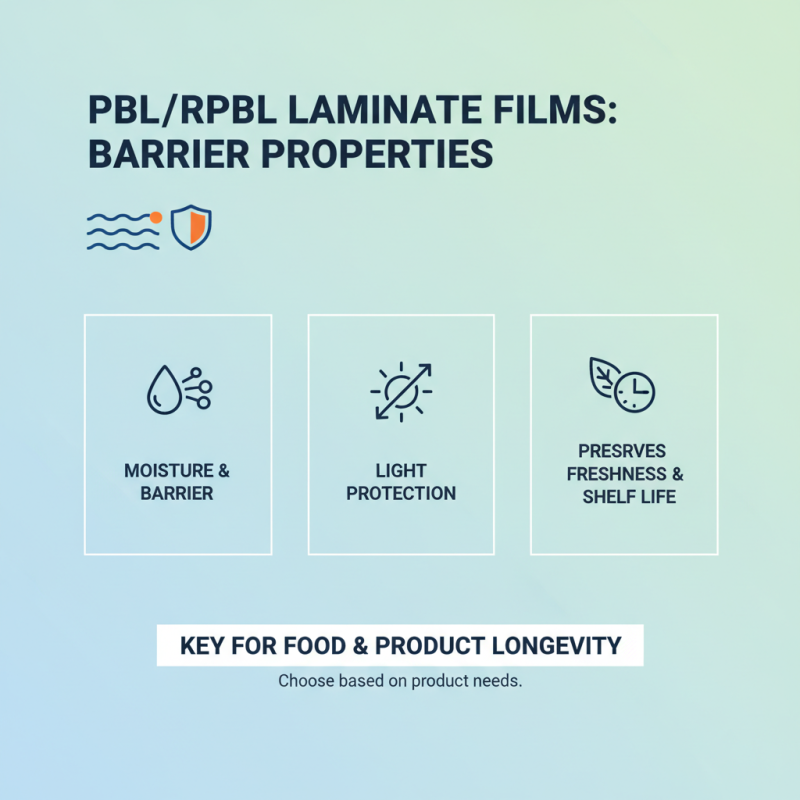
When selecting the best PBL/RPBL laminate film for packaging needs, understanding key properties is crucial for ensuring effective solutions. One of the primary considerations is barrier properties, which determine how well the film protects contents from external factors like moisture, oxygen, and light. High barrier films are essential for preserving freshness in food applications, while also prolonging shelf life for various products. Evaluating the specific barrier requirements based on the nature of the product being packaged will help in choosing an appropriate laminate.
Another important aspect to consider is the sealability of the laminate film. This property impacts not only the efficiency of packaging processes but also the integrity of the packaging. A film with strong seal characteristics minimizes risks of leakage and contamination, thus ensuring product safety and quality. Additionally, compatibility with printing methods is vital for branding and consumer communication; a film that supports high-quality printing can significantly enhance the aesthetic appeal of the packaging. By assessing these properties, businesses can make informed decisions that align with their packaging objectives.
Evaluating Compatibility with Your Product and Production Process
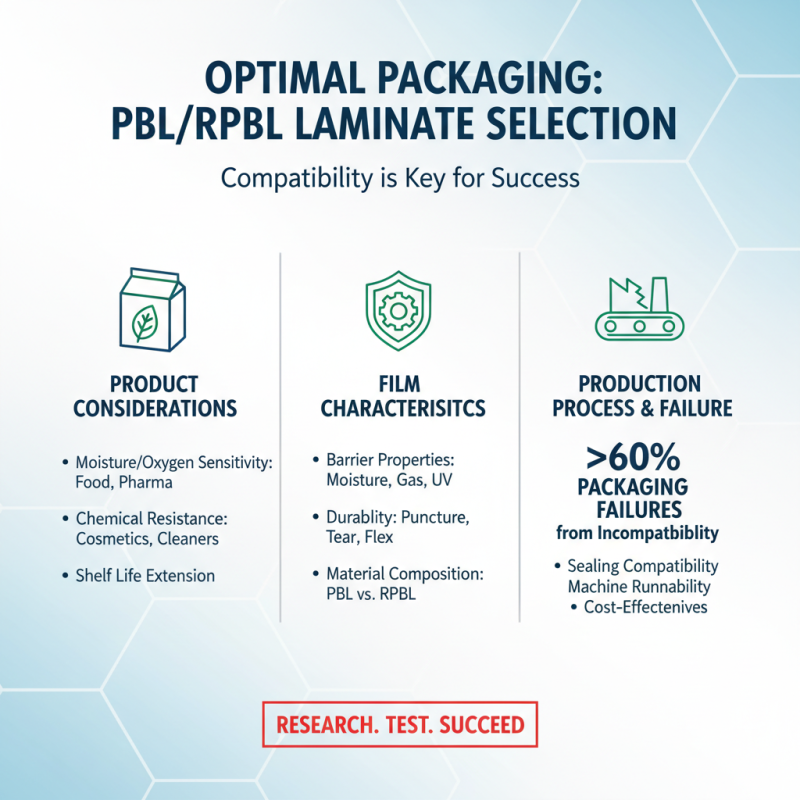
When selecting the best PBL (Polyester Blends Layer) or RPBL (Recyclable Polyester Blends Layer) laminate film for your packaging needs, evaluating compatibility with your product and production process is crucial. Research indicates that over 60% of packaging failures arise from material incompatibility, underscoring the importance of thorough material selection. The characteristics of the laminate film, including its barrier properties, durability, and chemical resistance, must align with the specific requirements of the product being packaged. For instance, products that are sensitive to moisture or oxygen, such as food items, require films with enhanced barrier properties to maintain freshness and extend shelf life.
Moreover, the compatibility of the laminate film with the production process cannot be overlooked. Variations in temperature, sealing methods, and machinery are essential factors that can affect the performance of the laminate. According to a study by the Flexible Packaging Association, approximately 70% of manufacturers reported that film performance directly impacts their production efficiency. For instance, films that require lower sealing temperatures may enable faster production lines and reduce energy costs, thus enhancing overall operational effectiveness. Ultimately, carefully assessing these compatibility factors will ensure that the chosen laminate film not only protects the product but also optimizes the production workflow.
Comparative Analysis of Cost-Effectiveness and Performance
When selecting the ideal PBL/RPBL laminate film for packaging, a comparative analysis of cost-effectiveness and performance is essential. The initial factor to consider is the material's production cost, which includes raw material prices and manufacturing processes. Selecting a film that strikes a balance between affordability and superior characteristics can significantly influence overall packaging expenses. A thorough evaluation of multiple suppliers will reveal the best options that minimize costs without sacrificing quality.
Performance is equally crucial, encompassing factors like barrier properties, durability, and aesthetic appeal. A laminate film must provide adequate protection against moisture, oxygen, and UV light while maintaining an attractive presentation. Analyzing performance metrics such as tensile strength, seal integrity, and surface finish helps to determine how well a film will perform under various conditions. By comparing these attributes against price points, businesses can identify packaging solutions that are not only cost-effective but also enhance the product's overall value in the marketplace.
How to Choose the Best PBL/RPBL Laminate Film for Your Packaging Needs - Comparative Analysis of Cost-Effectiveness and Performance
| Film Type |
Cost per Unit ($) |
Tensile Strength (MPa) |
Elongation at Break (%) |
Moisture Barrier (g/m²/day) |
Oxygen Barrier (cm³/m²/day) |
| PBL Type A |
0.50 |
40 |
300 |
2 |
5 |
| RPBL Type B |
0.65 |
50 |
250 |
1.5 |
4 |
| PBL Type C |
0.55 |
45 |
280 |
1.8 |
3.5 |
| RPBL Type D |
0.70 |
55 |
260 |
2.2 |
4.5 |
Sourcing and Quality Assurance for Reliable Laminate Film Suppliers
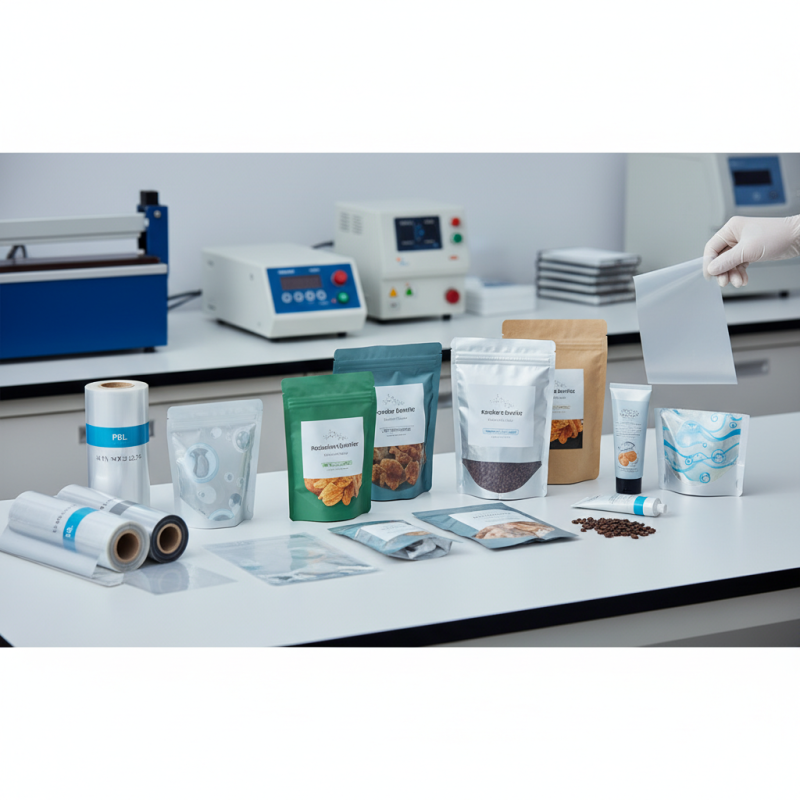
When sourcing laminate films for packaging, it's crucial to focus on quality assurance. Reliable suppliers will provide documentation confirming that their products meet industry standards. Look for certifications such as ISO or FDA compliance, which indicate adherence to safety and quality regulations. Additionally, request samples to evaluate the film's clarity, strength, and compatibility with your packaging process. This hands-on assessment can ensure the film meets your specific needs before committing to larger orders.
Tips: Always establish clear communication with suppliers to discuss your requirements and any potential customization. Ask about their production processes and quality control measures to gain insights into their reliability. Checking reviews or testimonials from other clients can also provide valuable information about the supplier's reputation and the performance of their products.
Furthermore, consider the supplier's ability to deliver consistent quality over time. Long-term partnerships with suppliers who have a proven track record can lead to better pricing and more stable supply chains. Engage in discussions about their sourcing practices to understand how they maintain quality in their raw materials. This proactive approach can save you from unforeseen issues down the line.