How to Choose the Best Pbl Rpbl Laminate Film for Your Needs?
Choosing the right Pbl/Rpbl Laminate Film can significantly impact your project’s success. These films are essential for various applications, including packaging, flooring, and décor. With so many options available, navigating the choices can be overwhelming. Understanding the specific qualities of each type is crucial to making a well-informed decision.
Pbl/Rpbl Laminate Films differ in texture, durability, and finish. For instance, a gloss finish may enhance visual appeal but can be more prone to scratches. Conversely, a matte finish offers a more subdued look but might not hold up as well under heavy use. Consider the environment and purpose of your project carefully. The right film fulfills aesthetic needs while ensuring longevity.
It's easy to overlook important factors when selecting laminate film. We might prioritize appearance over functionality. This could lead to dissatisfaction in the long run. Take time to evaluate your specific requirements. Research options and consult experts if needed. Your ultimate choice should blend style and practicality effectively, ensuring a reliable result that meets your needs.
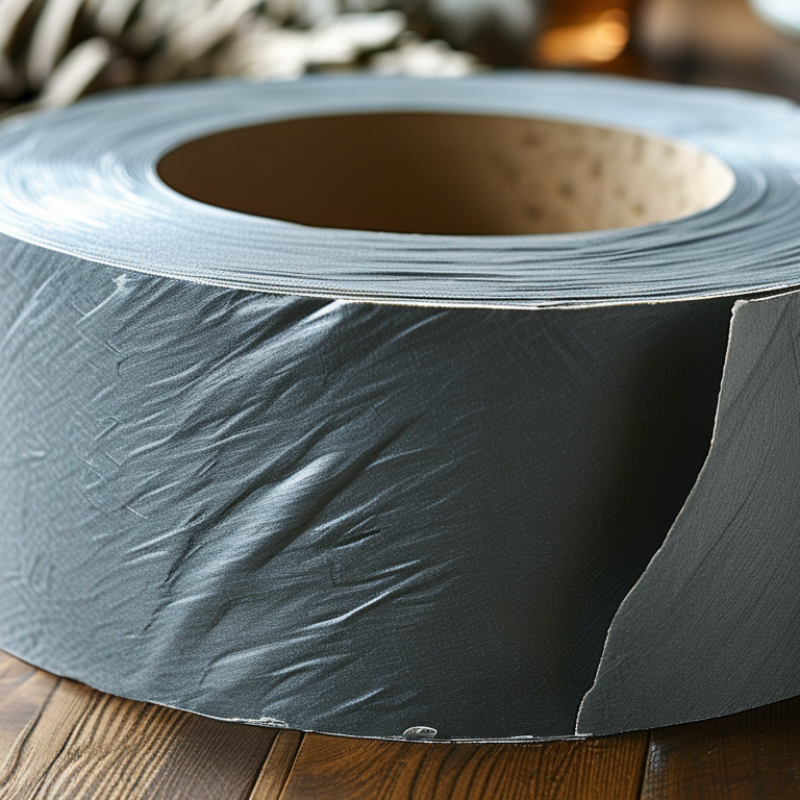
Understanding PBL and R-PBL Laminate Films: Definitions and Differences
PBL and R-PBL laminate films are crucial materials in various industries. PBL, or Polybutylene Terephthalate Laminate, is known for its excellent durability and chemical resistance. It is commonly used in electronics and automotive applications. According to industry data, PBL films have a tensile strength of approximately 50 MPa, making them suitable for demanding environments.
R-PBL, or Recycled Polybutylene Terephthalate Laminate, incorporates sustainable practices in film production. This type has gained traction due to rising environmental concerns. Reports indicate that R-PBL can reduce carbon emissions by up to 30% compared to traditional films. However, questions about the consistency of quality often arise. The properties of recycled materials can vary, requiring careful evaluation of specific applications.
Understanding the differences between these films is vital. PBL offers reliability for high-performance needs, while R-PBL appeals to businesses seeking eco-friendly options. Both have distinct advantages. Yet, companies must weigh durability against sustainability. Striking the right balance is a challenge that requires thoughtful consideration. Ultimately, selecting the appropriate film involves aligning performance requirements with environmental goals.
Key Factors to Consider When Selecting Laminate Films
Choosing the right PBL or R-PBL laminate film can be challenging. Several factors must be considered to ensure you meet your needs. These films come in various thicknesses, finishes, and adhesive types. Understanding your specific application is crucial. Are you protecting a document or encapsulating a project? Clarifying this can help guide your selection.
Evaluate the durability of the laminate film. If your project needs resistance to moisture or tearing, opt for higher-grade options. The finish can also impact the appearance of your project. A glossy finish enhances colors but may show fingerprints. A matte finish hides scuffs better but might dull vibrant shades. Think about where your project will be displayed.
**Tips:** Test samples before committing. This allows you to see how the film interacts with your materials. Consider the environment your project will be in as well. A laminate designed for indoor use may not hold up outdoors. Always check compatibility with inks or papers used in your project. Being mindful of these factors will ensure your final product reflects your intent.
Evaluating Quality and Durability of PBL and R-PBL Films
When choosing the best PBL or R-PBL laminate film, evaluating their quality and durability is essential. Quality determines how well the film performs in varying environments. For instance, thicker films typically offer better protection against wear and tear. Durability relates to the film's ability to withstand everyday usage without degrading. Look for evidence of rigorous testing when assessing durability.
Tips: Examine the manufacturer’s specifications closely. The thickness of the film often correlates with its longevity. Pay attention to any user reviews that mention durability after prolonged use.
The composition of the film also impacts its reliability. High-quality PBL films resist moisture and prevent peeling over time. R-PBL films tend to be more resistant to scratches, making them suitable for high-traffic areas. It’s worth noting that not all films are equal; some may start to discolor or lose adhesion within months.
Tips: Always ask for test results or certifications. This information can reveal the film’s performance under different conditions. Consider your specific needs based on where the film will be used. This should guide your decision-making process effectively, saving you potential disappointment later on.
Application-Specific Recommendations for Laminate Film Use
Choosing the right laminate film depends heavily on its application. Different industries have unique requirements. For instance, the food packaging sector often needs films that provide excellent barrier properties. According to a 2022 report by Smithers Pira, flexible packaging is projected to reach $248 billion by 2024. Transparency and moisture resistance are crucial for preserving food quality and extending shelf life.
In contrast, industries like electronics require specialized films. They often focus on thermal stability and insulation. A study by Transparency Market Research highlighted that the global electronics laminate film market could grow to $1.6 billion by 2026. This growth stresses the need for tailored solutions, emphasizing films that withstand heat and prevent electrical interference.
Furthermore, selecting laminate films for medical applications introduces its own complexities. These films must comply with strict regulatory standards while ensuring biocompatibility. The right choice can significantly affect product safety and efficacy. It’s noteworthy that many organizations still overlook the importance of testing films under real application conditions. This oversight can result in product failures that might have been prevented with better initial choices.
Budget Considerations: Finding the Right Balance in Laminate Film Selection
When selecting PBL or R-PBL laminate films, understanding your budget is essential. The laminate film market has been growing, with an expected increase of approximately 4.5% CAGR over the next five years, according to a recent industry report. This growth suggests a variety of options available, but it also raises the stakes for making informed choices. It's easy to overlook cost when focusing on quality, leading to potential overspending.
Balancing quality and cost is often a challenge. High-performance laminate films can range from $2 to $5 per square meter, while lower-end options may cost as little as $0.75. However, cheaper films may result in frequent replacements, reducing overall value. For instance, a low-cost film might only last six months, whereas a premium option could extend usability to three years. Thus, considering longevity can be a more practical approach.
It's important to assess your specific needs. What will the laminate be used for? Is durability or aesthetics a priority? Each choice impacts long-term cost. Industry data indicates that businesses that invest in high-quality films often see a 30% reduction in maintenance costs over time. Therefore, weighing initial costs against future savings can significantly influence your selection process.