How to Choose the Best Laminate Film for Your Projects?
Choosing the right laminate film can significantly impact your project's outcome. The global laminate film market was valued at $29.47 billion in 2020 and is expected to grow. As industries adopt laminate films for packaging, graphic arts, and other applications, understanding their features becomes crucial.
When selecting laminate film, consider its thickness, finish, and adhesive properties. For instance, high-gloss finishes can enhance visual appeal, while matte options offer a sophisticated look. Reports indicate that the demand for eco-friendly films is rising. Companies are increasingly prioritizing sustainability in their choices.
However, not every laminate film suits every application. Some films may not adhere well under certain conditions, leading to peeling or yellowing over time. It's vital to test samples before committing to a bulk order. Reflecting on specific needs and environmental impact can help make an informed choice.

Understanding Laminate Film Types and Their Applications
When choosing laminate film, understanding the types available is crucial. There are several options, each suited for specific applications.
Melamine laminate films are common for furniture surfaces, offering durability and resistance to scratches.
PVC films are more flexible and often used in signage and packaging. If the project involves frequent handling, opt for thicker materials to ensure longevity.
Tips for selecting laminate films include considering the environment. For high-traffic areas, select films with high wear resistance. Test samples whenever possible; seeing the film in person can reveal properties not apparent in pictures. Keep in mind that not all films are equally easy to apply. Some may bubble or warp, requiring practice to master.
Another key point is to reflect on aesthetics. The right finish can enhance the visual appeal of your project.
Glossy finishes provide a modern look, while matte surfaces offer elegance and conceal fingerprints. Be aware that some finishes might show wear more quickly.
Evaluating long-term performance versus immediate visual impact can lead to more informed decisions.
Factors to Consider When Choosing Laminate Film
Choosing the right laminate film can significantly impact your project’s outcome. When making your selection, consider the specific application. Different types of laminate films offer varied benefits. For example,
glossy finishes are great for vibrant colors. Matte laminates can provide a sophisticated look for more subdued designs.
Durability is another essential factor. Some films resist scratches and moisture effectively. Evaluate the environment where your project will be used. If it’s exposed to heavy use or certain weather conditions, opt for stronger laminate films.
Testing a few samples can help you assess how each type holds up over time.
Thickness can also influence the overall appearance and feel. Thicker films add bulk but enhance protection. However, they might not always suit every design intent. It's worth experimenting with different thicknesses. Remember, each project is unique, and it's okay to make mistakes while finding the perfect match.
Evaluating Thickness and Durability of Laminate Films
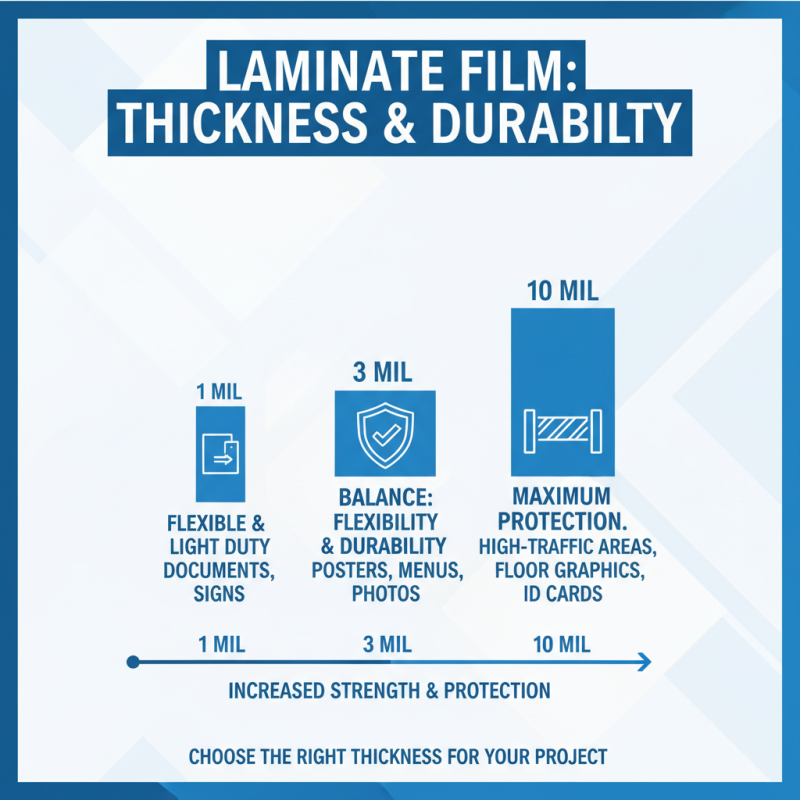
Choosing the best laminate film for projects involves careful evaluation of its thickness and durability. Thickness directly impacts the film's strength and suitability for various applications. Industry standards suggest that laminate films range from 1 mil to 10 mils in thickness. Films around 3 mils offer a balance between flexibility and durability. Greater thicknesses, like 10 mils, provide enhanced protection, especially for high-traffic areas.
Durability is another critical aspect. A study from a reputable materials organization indicates that high-quality laminate films can withstand wear and tear, extending the life of the underlying surface. Films that offer UV resistance tend to last longer, maintaining their appearance even under harsh lighting conditions. However, it’s essential to note that thicker films can feel stiffer, affecting their application. Finding the right balance is crucial for optimal results.
It's also important to consider the specific uses of laminate films. For projects requiring frequent handling, a thicker, more durable film is necessary. In contrast, projects with minimal wear might succeed with thinner options. Regular testing of laminate films by professionals helps in understanding their performance under varied conditions. This ongoing evaluation informs product development and ensures that consumers can make informed decisions based on reliable data.
Reviewing Finish Options: Glossy vs. Matte
When choosing a laminate film for your project, the finish is crucial. Glossy finishes have a bright, reflective surface. They enhance colors, making images pop. However, they can show fingerprints and dust easily. This might require more maintenance, which can be a drawback in high-traffic areas.
On the other hand, matte finishes offer a softer, muted look. They reduce glare, which is beneficial in brightly lit spaces. Matte surfaces are less prone to showing smudges and dirt. However, colors may appear less vibrant. It’s important to weigh the pros and cons carefully. Sometimes, you may find a combination of both finishes to achieve the desired effect.
Choosing the right finish is often a personal decision. Reflect on the project's purpose and the environment. Consider the level of wear and tear the laminate will endure. In some cases, the choices may not seem perfect or entirely satisfying. A thoughtful approach can lead to better results.
Comparison of Finish Options for Laminate Film
This chart illustrates the popularity of different laminate film finishes, highlighting the preference between glossy and matte options based on survey data from various projects.
Identifying Cost-Effective Laminate Film Solutions for Projects
When selecting laminate film, it’s vital to consider cost-effective solutions without compromising quality. According to a report from Smithers Pira, the global demand for laminate films is expected to grow by 5.6% annually, highlighting their essential role in numerous industries. A deeper understanding of durability and performance metrics can lead to better selection.
Choosing the right laminate film requires awareness of the price-to-performance ratio. Research indicates that films with enhanced scratch resistance and UV protection often lead to lower replacement costs over time. For instance, films that are 10% more expensive initially could save 20% through increased longevity. This reflection on initial costs versus long-term savings is crucial for project budgets.
The right laminate film should also align with the project's environmental goals. Studies suggest that eco-friendly options are gaining traction, with nearly 40% of projects opting for sustainable materials. This consideration often means balancing cost and environmental impact. Quality varies widely, making it essential to evaluate suppliers based on their material sourcing and manufacturing processes.
How to Choose the Best Laminate Film for Your Projects? - Identifying Cost-Effective Laminate Film Solutions for Projects
| Type of Laminate Film |
Thickness (mil) |
Cost per Square Foot (USD) |
Durability Rating (Years) |
Ideal Application |
| Glossy Finish |
3 |
$0.80 |
5 |
Presentation Banners |
| Matte Finish |
5 |
$0.90 |
7 |
Indoor Displays |
| Textured Finish |
7 |
$1.20 |
10 |
High-traffic Areas |
| UV Resistant |
3 |
$1.50 |
4 |
Outdoor Signs |
| Anti-scratch Laminate |
5 |
$1.10 |
8 |
Countertops and Workstations |