How to Choose the Best Laminate Film for Your Projects?
Choosing the right Laminate Film can be a daunting task. With so many options available, it's essential to make an informed decision. Industry expert, John Smith, once stated, "Selecting the right laminate can make or break a project." This highlights the importance of understanding the features that suit your specific needs.
When considering Laminate Film, look at factors like thickness, finish, and application. Different projects demand different types of films. For instance, a glossy finish may suit promotional materials, while a matte finish works well for menus. However, finding the perfect fit isn’t always easy.
You might feel overwhelmed by all the choices. It’s normal to ponder if you've made the best choice. Reflect on your project's goals and audience. That clarity can guide your selection process. Remember, a thoughtful decision about Laminate Film can significantly enhance the outcome of your projects.
Understanding Laminate Film Types: PVC, PET, and Biodegradable Options
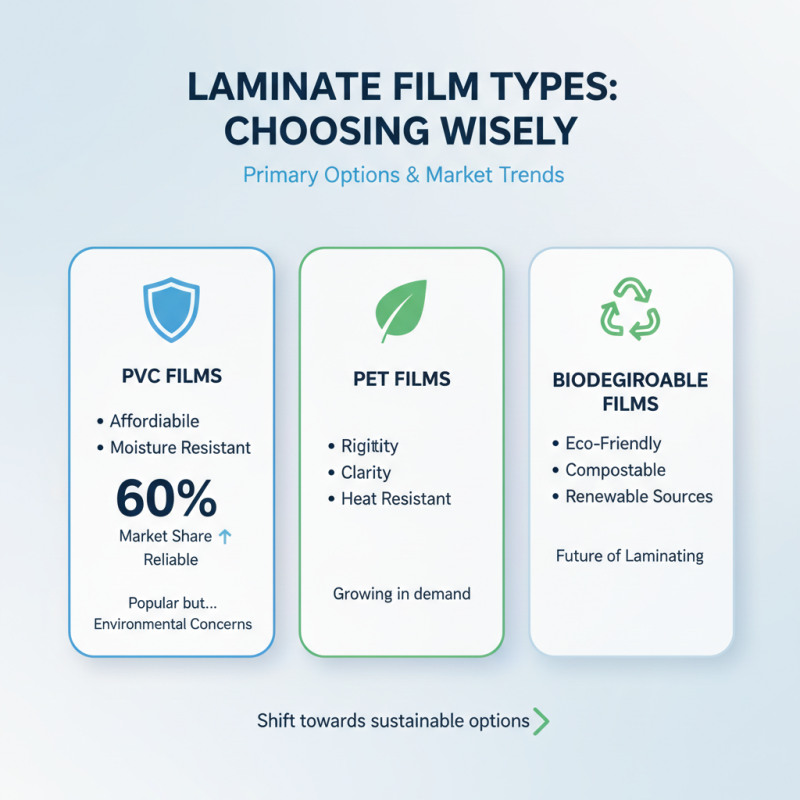
When selecting laminate film, understanding the types can greatly impact your project’s success. The three primary options are PVC, PET, and biodegradable films. PVC laminate films are popular for their durability and affordability. Interestingly, reports indicate that PVC films dominate about 60% of the market due to their reliable moisture resistance. However, environmental concerns are rising, prompting a shift in preferences.
PET films offer a more eco-friendly alternative. They are more robust than PVC, boasting better clarity and lesser distortion. Industry studies show that PET films contribute to around 25% of the laminate market share. Their recyclability makes them attractive, especially for businesses targeting sustainability. However, they can sometimes lack the cost-effectiveness of PVC.
Biodegradable films are emerging as the future. Although still a small segment, they yield promising results. Market studies suggest that their adoption is increasing by 15% annually. While ideal for environmentally conscious projects, their performance in certain applications needs further examination.
Tips: Always consider the end-use of your project. Evaluate the environmental impact of your choice. Additionally, conduct a cost-benefit analysis for long-term projects. Being mindful of these aspects could influence your decision significantly.
Assessing Laminate Film Thickness for Durability and Application Needs
When selecting laminate film for projects, thickness plays a critical role in durability and application suitability. According to industry analysis, films thicker than 3 mils generally offer better resistance to wear, scratches, and chemicals. This ensures longevity in high-traffic areas or environments with exposure to moisture. For example, a thickness of 5 mils can significantly enhance the film's lifespan, reducing the need for frequent replacements.
However, thicker films often come with increased costs and might not be necessary for every application. A report by the Flexible Packaging Association revealed that films ranging from 2 to 3 mils are often sufficient for less demanding uses, such as packaging for home goods. It's essential to evaluate specific project requirements carefully. For instance, if you're covering products that will see a lot of handling, opting for a thicker laminate would be wise.
There's also a balance to striking: a thicker film can be harder to work with during application. This can lead to more production issues. Applying a 5 mil film might pose challenges, especially in terms of flexibility and adhesion. In some cases, thinner films can provide a more manageable experience, but at the cost of reduced durability. Reflecting on these factors is crucial when making decisions on laminate film selection.
Evaluating Adhesive Properties: Pressure-Sensitive vs. Heat-Activated Options
When selecting a laminate film, adhesive properties are crucial. Two primary options are pressure-sensitive adhesives (PSA) and heat-activated adhesives. PSA is often favored for its ease of use. It allows for quick application without special equipment. This is beneficial for projects requiring fast turnaround.
On the other hand, heat-activated adhesives provide a stronger bond under certain conditions. A study indicates that heat bonding can achieve up to 30% higher adhesion strength than PSA. However, this method requires careful temperature control. Excessive heat may damage the laminate or reduce its lifespan.
Tips: Always test your adhesive on a small area first. This can prevent costly mistakes. Evaluate your project environment, as moisture can weaken both types of adhesives. Additionally, if you choose PSA, ensure the surface is clean and dry for optimal performance. Remember to consider application speed versus durability as you decide.
Determining the Best Laminate Film Finish: Glossy, Matte, or Textured
When choosing a laminate film finish, the options can feel overwhelming. Glossy finishes reflect light brilliantly. They can enhance colors vividly. However, they can also show fingerprints and scratches more easily. Glossy surfaces have a striking effect, but they might require more maintenance.
Matte finishes offer a softer look. They diffuse light, bringing a subtle elegance to your projects. One downside is that they can be harder to clean. Dust and smudges may become more noticeable over time. Consider the environment and usage of your project before deciding.
Textured finishes provide a unique tactile experience. They add depth and interest, perfect for making a statement. However, these can capture dirt and grime and may require careful handling. Think about functionality and aesthetics. Each finish comes with its pros and cons that need reflection. Choose what aligns best with your project goals and maintenance preferences.
Choosing the Best Laminate Film Finish
Analyzing Cost-Effectiveness: Price vs. Performance in Laminate Films
Choosing the right laminate film involves balancing cost and performance. Many options are available, but not all provide the best value. A cheaper film may save money initially but could wear out quickly. Longevity is essential when considering your project’s needs. Sometimes, spending a little more upfront leads to better results later.
Performance factors include durability, resistance to scratches, and ease of application. Some films handle wear better than others. A thicker film might offer more strength, but it can be pricier. Are you prepared for that extra cost? Analyze how often the project will be used to determine what level of durability is necessary.
Reflecting on personal experiences can provide insight. A budget-friendly film might seem appealing, but if it fails after a short time, it’s not worth the savings. Consider the long-term implications. Ultimately, a balance between cost-effectiveness and the quality of laminate films is key to successful project outcomes. Careful assessment will guide you in making the right choice.