How to Choose the Best Laminate Tube for Your Needs?
Choosing the right laminate tube for your needs is crucial in today's packaging market. According to a recent report by Smithers Pira, the global demand for laminate tubes is projected to grow at a CAGR of 4.5% through 2025. This growth reflects the increasing preference for versatile packaging solutions in sectors such as cosmetics, food, and pharmaceuticals.
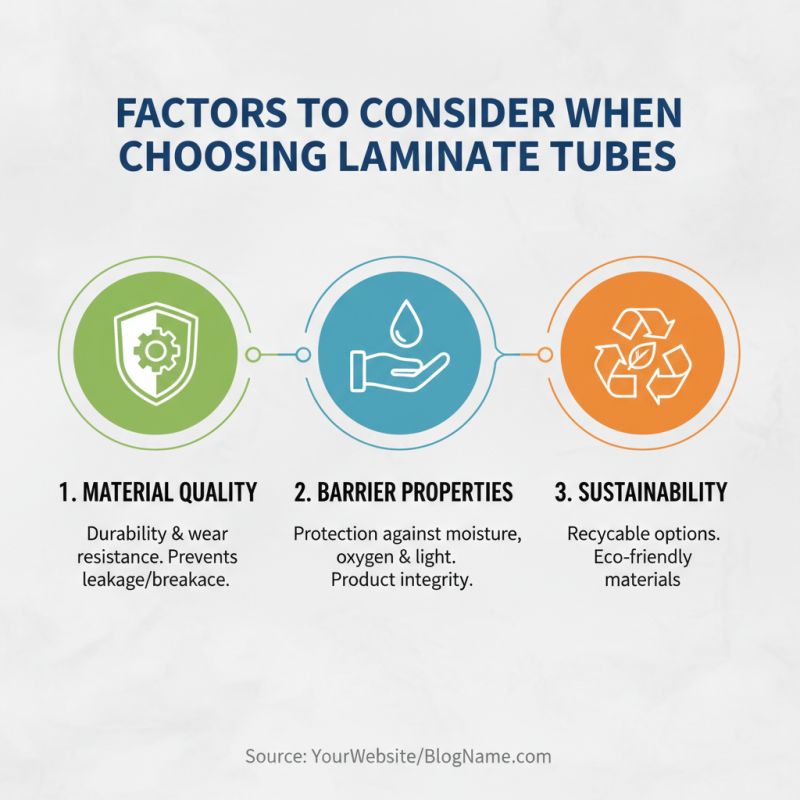
Expert in packaging design, Dr. Angela Wright, states, "Selecting the right laminate tube can significantly impact product integrity and shelf life." Laminate tubes offer barrier properties that can prevent moisture and oxygen from compromising products. This is particularly important for sensitive items like creams and pastes.
It's essential to consider various factors, such as material composition and compatibility with your product. Many brands overlook these details, leading to ineffective packaging choices. A well-informed decision can enhance user experience and brand loyalty. Thus, exploring options and understanding industry trends is vital for manufacturers and consumers alike.

Types of Laminate Tubes Available in the Market
When selecting laminate tubes, it's essential to understand the variety available in the market.
Generally, there are three main types:
standard,
custom, and
biodegradable tubes.
Standard tubes are versatile and suitable for many products.
They come in various sizes and colors.
Custom tubes allow for specific dimensions and designs to cater to unique needs.
Biodegradable options are gaining traction due to their eco-friendly nature.
They break down naturally, appealing to environmentally conscious consumers.
The materials used for laminate tubes also vary. Common choices include
PVC,
plastic, and paper-based laminates.
Each material has its benefits.
PVC tubes offer durability and moisture resistance.
Plastic options tend to be cost-effective and lightweight.
Paper-based laminates, while less durable, provide a natural aesthetic.
The choice of material often depends on the product's requirements and the intended use of the tube.
While choosing the right tube, reflective points arise.
Consider the product it will hold.
Sometimes, a more expensive, durable option is worth it.
Other times, a simpler, less expensive tube suffices.
Review your options carefully.
To ensure your choice aligns with your goals, weigh all factors.
Each tube type has unique features that cater to different needs.
Evaluating the Quality and Durability of Laminate Tubes
Choosing the right laminate tube involves understanding its quality and durability. When evaluating laminate tubes, focus on the materials used in their construction. High-quality laminate often features multiple layers, providing sturdiness and flexibility. Look for tubes that can withstand everyday handling and environmental factors.
Tips: Check for certifications that indicate the tube meets safety standards. Look for user reviews that speak to the longevity of the product. Sometimes, low-cost options may lead to early wear and tear.
Durability is key when selecting a laminate tube. Examine the thickness of the laminate; thicker tubes usually resist damage better. Pay attention to seams and closures. Weak points here can lead to leaks or breakage.
Tips: Test the tube’s flexibility. A good laminate tube should bend without cracking. Be wary of options that feel too rigid, as they may not hold up under pressure. Always consider the intended use; not every tube performs well in all settings.
Understanding the Environmental Impact of Laminate Tubes
When considering laminate tubes, the environmental impact is crucial. Laminate tubes are typically made from a combination of materials, including plastic and paper. This composition can make recycling challenging. Data from the European Organization for Packaging and the Environment shows that only 14% of laminate materials are effectively recycled. Many consumers are unaware of this low rate, leading to increased landfill waste.
Production processes for laminate tubes involve considerable energy usage. Reports indicate that these tubes can emit an estimated 2.5 kg of CO2 per kilogram produced. This number is concerning, especially in a world increasingly focused on sustainability. Using alternative materials may reduce this footprint, but it requires a shift in industry practices.
Choosing eco-friendly options is not always straightforward. Some sustainable tubes use biodegradable materials, yet they may not perform as well. There’s a trade-off between functionality and environmental responsibility. Understanding local recycling facilities' capabilities can aid in making better choices, but awareness is still lacking in many sectors. Consumers must ask critical questions to ensure their choices align with their environmental values.
Identifying the Right Size and Shape for Your Application
When selecting a laminate tube, size and shape are critical. The right dimensions impact functionality and usability. Take time to consider the volume you need to store. Larger quantities require wider or longer tubes, while small items may fit into compact options. Keep in mind, oversizing can lead to wasted space.
The shape is another factor to evaluate. Round tubes are popular but may not fit into tight spaces. Rectangular designs offer ease of stacking but can be less visually appealing. It’s essential to match the tube's shape with your specific application. A mismatch can lead to inefficiencies, impacting overall performance. Think about how the tube interacts with its environment.
Choosing the wrong size or shape can be frustrating. You may find that a tube doesn’t accommodate your needs. This realization prompts reflection on what went wrong. Gathering input from colleagues or consulting experts can lead you to a better decision. Ultimately, the goal is to choose a laminate tube that complements your work requirements effectively.
Choosing the Right Size and Shape of Laminate Tubes