How to Choose the Right Flat Bottom Pouch for Your Needs?
Choosing the right packaging is crucial for businesses. Among different options, the Flat Bottom Pouch stands out. This unique design provides stability, making it an excellent choice for various products. According to a recent market report, the flexible packaging market is projected to reach $300 billion by 2025, with pouches being a significant segment.
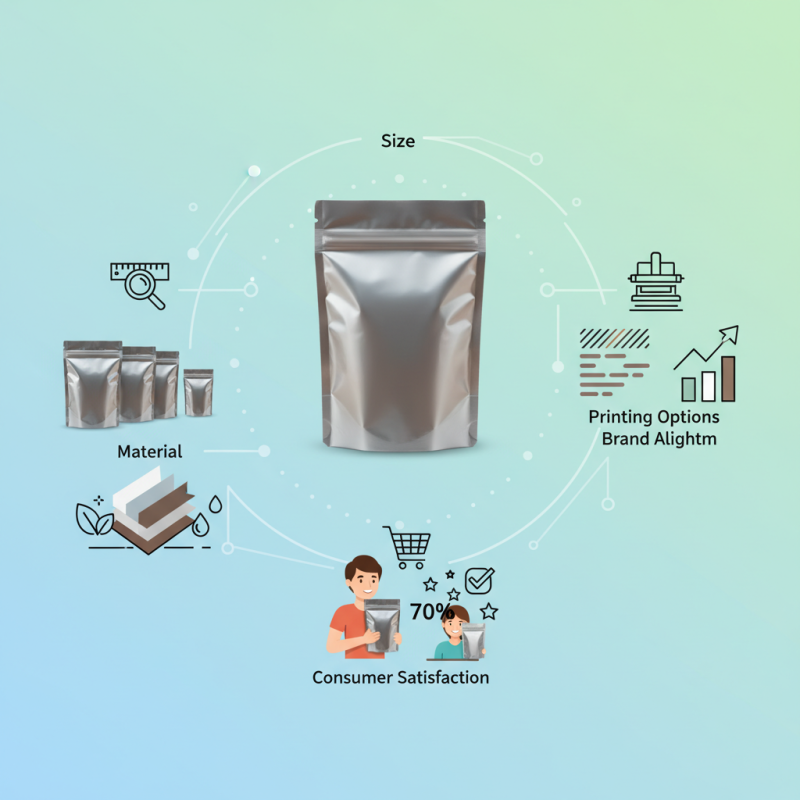
Flat Bottom Pouches offer advantages in both functionality and presentation. They can stand on shelves, showcasing the product effectively. A study by PackagingInsights indicates that 70% of consumers prefer products in attractive, stand-up pouches. This statistic should not be ignored. However, selecting the wrong material could affect product freshness and customer satisfaction.
Reflect on your product needs before choosing a Flat Bottom Pouch. Consider the size, material, and printing options. Missteps in this process can lead to wasted resources and unhappy customers. Ensure the pouch aligns with your brand image and meets consumer expectations.
Understanding Flat Bottom Pouches: An Overview of Their Features
Flat bottom pouches are gaining popularity in various industries. Their unique structure allows them to stand upright, making them ideal for retail display. According to a recent industry report, around 37% of consumers prefer packaging that is easy to display. The flat bottom design helps in maintaining product visibility, which is crucial for attracting potential buyers.
These pouches are versatile and come in multiple sizes and materials. This flexibility allows businesses to select the perfect pouch for their products. Research from packaging experts shows that around 52% of brands reported improved shelf presence with flat bottom pouches. However, some challenges remain. The choice of material can impact product freshness, a factor that needs careful consideration.
The sealing methods used in these pouches are also vital. They must ensure durability while being easy to open. While many manufacturers succeed in these areas, others face hurdles. Insights show that 25% of consumers encounter issues with resealability. This reflects the need for ongoing improvements in pouch design and functionality. The focus must remain on balancing aesthetics with practicality and consumer needs.
Identifying Your Packaging Needs: Assessing Product Size and Type
Choosing the right flat bottom pouch begins with understanding your packaging needs. Assessing your product's size and type is crucial. According to a recent industry report, over 70% of consumers prefer packages that are easy to store. If your product is bulky, a large flat bottom pouch may be necessary to accommodate it.
Product type also influences pouch selection. For instance, dry goods typically fit well in moisture-resistant pouches. However, liquids may require a different approach. Not every flat bottom pouch offers the same level of protection. This might lead to spoilage or leakage, a significant concern in food packaging. Data shows that nearly 60% of food waste occurs due to improper packaging.
Consider the environmental impact as well. While many companies focus on aesthetics, sustainability cannot be overlooked. Reports indicate that 45% of consumers are willing to pay more for eco-friendly packaging. Failing to align your package with these preferences could alienate a segment of your market. Reflection on these aspects can lead to more informed decisions when selecting your flat bottom pouch.
Materials Matter: Choosing the Right Material for Durability and Safety
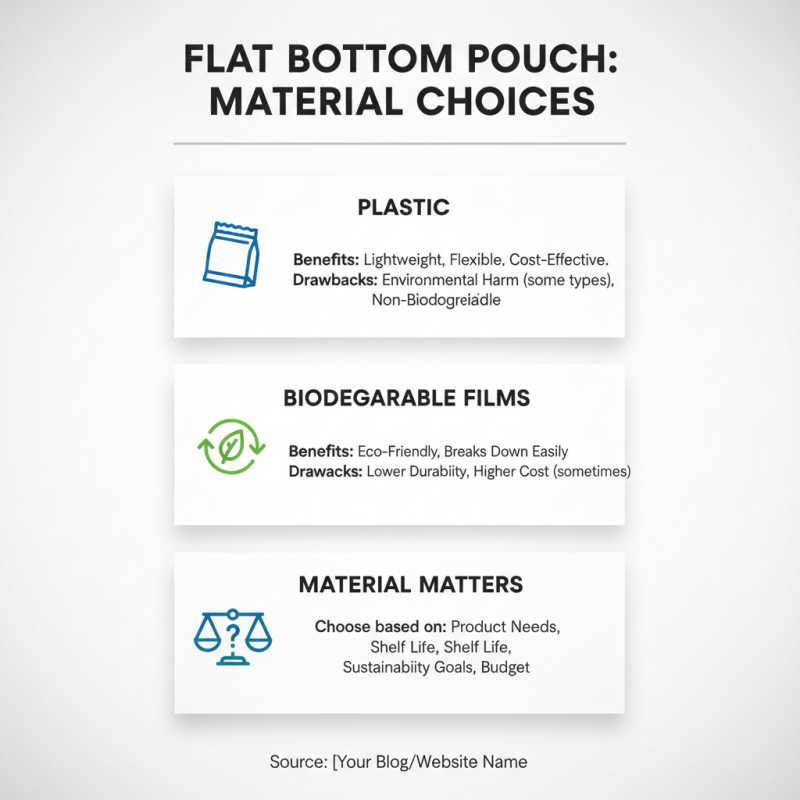
When selecting a flat bottom pouch, material choice is crucial. Different materials offer various benefits and drawbacks. A common option is plastic, known for its lightweight and flexible properties. However, some plastics can be harmful to the environment. If sustainability is a priority, consider biodegradable films. They break down more easily but may have lower durability compared to traditional options.
Paper pouches are another alternative. They provide a natural look and feel, making them ideal for eco-conscious brands. Yet, they might not be as moisture-resistant as plastic. Manufacturers often use coatings to enhance their durability, but this can complicate recycling efforts. It's essential to assess these trade-offs based on your product needs and target audience.
Reflect on the intended use of your pouches. Will they hold dry goods, liquids, or powders? This can determine the right material choice. Testing various materials can reveal surprising insights. Some might not perform as expected under certain conditions. Ultimately, it's about balancing durability with safety while considering environmental impacts.
Design Considerations: Customization Options for Branding and Functionality
When selecting a flat bottom pouch, customization is key. It begins with size. The dimensions should accommodate your product while ensuring ease of use. Consider if the pouch needs a zipper or a tear notch. These options can enhance functionality. Visual appeal is equally important. The right colors and designs can attract customers and make your brand memorable.
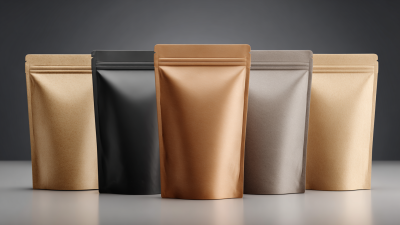
Material choices also play a significant role. Different materials can affect durability and appearance. For example, a matte finish gives a sophisticated look, while a glossy finish can scream attention. Think about how the packaging reflects your brand values. Experiment with different textures and finishes, but don’t overlook practicality. Sometimes the best design needs to be reevaluated for functionality.
Branding doesn’t stop at aesthetics. Clear labeling is essential. Make sure your product information is easy to read. Remember, balance is crucial. Too much clutter can confuse potential buyers. Utilize negative space strategically. Customization should elevate your product but also remain user-friendly. Never lose sight of the end goal: offering a seamless experience from packaging to consumption.
Flat Bottom Pouch Design Considerations
Cost vs. Quality: Evaluating Budgetary Constraints and Supplier Options
When selecting a flat bottom pouch, the balance between cost and quality is essential. Many suppliers offer various options, but low prices may sacrifice durability. According to the Flexible Packaging Association, around 57% of consumers prioritize packaging quality over cost. Therefore, investing in a high-quality pouch can enhance your product's appeal.
Consider your budgetary constraints. A lower-cost pouch might fit neatly within your budget. However, it can lead to packaging failures, risking product spoilage. A study from Packaging Strategies indicates that quality issues often cost companies nearly 15% of their potential revenue. This underscores the importance of choosing a pouch that meets both financial and functional needs.
Tip: Always request samples before making a bulk purchase. This way, you evaluate the pouch’s quality against your product’s requirements. Additionally, ask suppliers about their production methods. Understanding their processes can help ensure you are investing in a reliable product. Don't overlook this step; it's crucial for avoiding future headaches.
How to Choose the Right Flat Bottom Pouch for Your Needs? - Cost vs. Quality: Evaluating Budgetary Constraints and Supplier Options
| Pouch Type |
Material |
Capacity (ml) |
Price (USD) |
Quality Rating |
Supplier Options |
| Flat Bottom Pouch A |
Plastic |
500 |
0.30 |
4.5/5 |
3 options |
| Flat Bottom Pouch B |
Kraft Paper |
200 |
0.25 |
4.0/5 |
2 options |
| Flat Bottom Pouch C |
Aluminum Foil |
1000 |
0.45 |
4.8/5 |
5 options |
| Flat Bottom Pouch D |
Biodegradable Film |
750 |
0.35 |
4.3/5 |
4 options |