How to Choose the Right Flat Bottom Pouch for Your Needs?
Choosing the right flat bottom pouch can significantly impact your packaging decisions. This type of pouch offers stability and convenience, making it a popular choice in many industries. However, selecting the perfect one is not always straightforward.
Consider your product's requirements and target audience. A flat bottom pouch can enhance shelf presence with its sturdy design. Yet, not all pouches are created equal. Each material and size serves different needs. Think about what features are most important, like resealability or tear notches.
Evaluating these options requires some reflection. What works for one product may not suit another. Balancing aesthetics with functionality is crucial. Your choice of a flat bottom pouch can elevate the consumer experience and boost sales.
Understanding Flat Bottom Pouches: Definition and Advantages
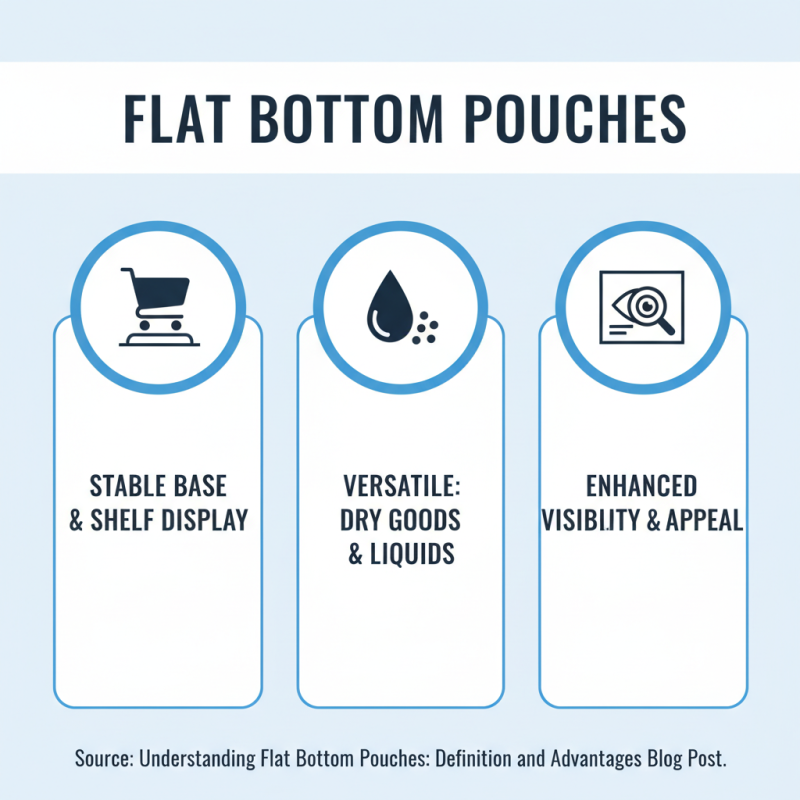
Flat bottom pouches are increasingly popular in packaging. They provide a stable base, making them ideal for displaying products on shelves. These pouches are versatile. They can hold various items, from dry goods to liquids. Their unique shape allows for better visibility. Customers can see the contents clearly, which enhances appeal.
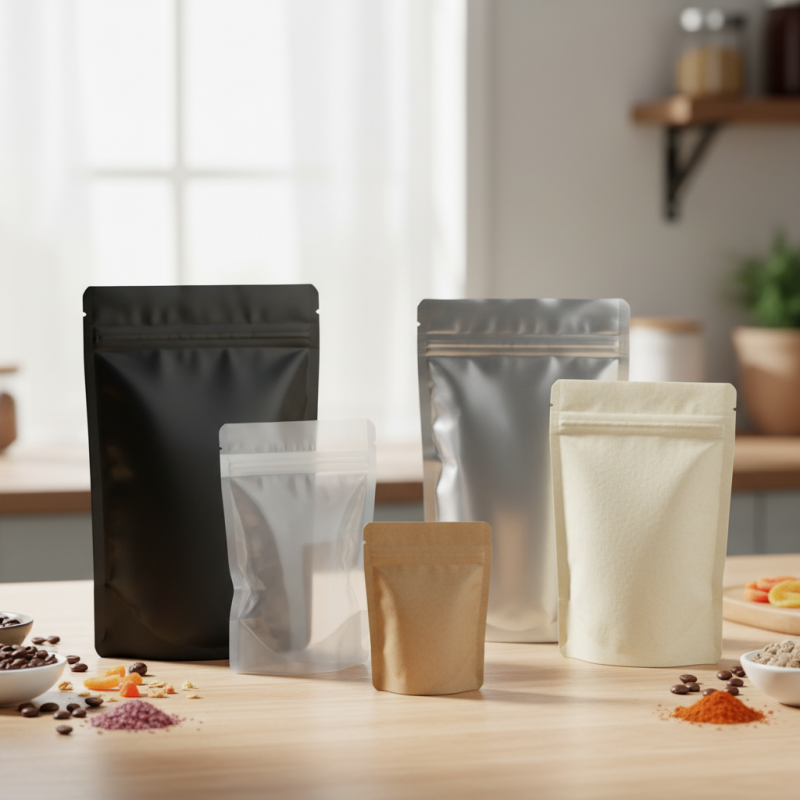
When choosing a flat bottom pouch, consider materials. Different materials offer various levels of protection. For instance, foil pouches protect against moisture and light. They are suitable for coffee or tea. For dry snacks, kraft paper pouches may be a better choice. They provide a natural look and are biodegradable.
**Tips**: Always test samples before purchasing in bulk. This ensures the pouches meet your specifications. Check the seal quality, too. A strong seal keeps products fresh. Additionally, think about the design. An engaging design attracts customer attention. Sometimes, simplicity works best. Reflect on how your choice resonates with your target audience.
Key Factors to Consider When Selecting Flat Bottom Pouches
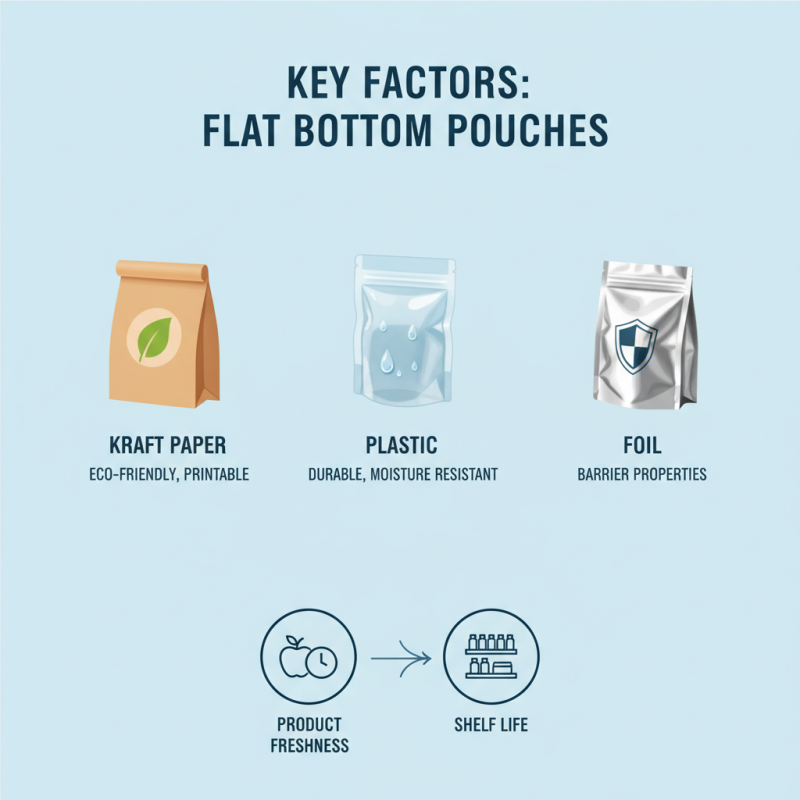
Choosing the right flat bottom pouch involves several key considerations. First, think about the pouch material. Materials like kraft paper, plastic, or foil each offer different benefits. Kraft paper is eco-friendly and can be printed with vibrant designs. Plastic pouches provide durability and moisture resistance, while foil pouches offer superior barrier properties. Your choice will significantly influence product freshness and shelf life.
Next, consider pouch size and dimensions. The right size ensures that your product fits snugly without excess space. Measure your product carefully before making a selection. It’s also essential to think about the intended use. Will the pouch be standing on a shelf or hanging from a display? Ensure the design suits your packaging goals.
Finally, reflect on the closure options. Zippers, heat seals, or tear notches can enhance user experience and product accessibility. Test different closures to find what aligns best with your audience's needs. Remember, each choice plays a crucial role in your product's success. The ideal flat bottom pouch is one that combines functionality with your branding vision.
Material Choices: Comparing Plastic, Paper, and Biodegradable Options
When selecting a flat bottom pouch, material choice plays a crucial role in functionality and sustainability. Plastic pouches offer durability and moisture resistance. They are great for preserving freshness but can contribute to environmental concerns. Many consumers hesitate, feeling conflicted about their ecological impact.
Paper pouches present a more eco-friendly alternative. They are biodegradable and recyclable, making them suitable for brands focused on sustainability. However, paper lacks the moisture barrier of plastic. This can affect product shelf life, leaving room for consideration about effectiveness versus environmental responsibility.
Biodegradable options combine elements of both materials. They can break down in composting environments, appealing to eco-conscious buyers. Yet, they may not always stand up to heavy-duty packaging requirements. Finding the balance often requires a degree of experimentation and reflection on both performance and environmental ethics. Select carefully; your choice reflects your values.
How to Choose the Right Flat Bottom Pouch for Your Needs? - Material Choices: Comparing Plastic, Paper, and Biodegradable Options
| Material |
Durability |
Barrier Properties |
Environmental Impact |
Cost |
| Plastic |
High |
Excellent moisture and oxygen barrier |
Non-biodegradable, recyclable |
Low |
| Paper |
Medium |
Good, depending on coating |
Biodegradable, compostable |
Medium |
| Biodegradable |
Medium |
Varies, generally good |
Low impact, compostable |
High |
Sizing and Dimensions: Finding the Right Fit for Your Products
When selecting a flat bottom pouch, dimensions play a crucial role. Getting the sizing right can directly impact product visibility and shelf appeal. Data from industry reports suggest that 70% of consumers make a purchase decision based purely on packaging. Thus, the right fit matters significantly.
Consider your product's volume. Flat bottom pouches come in various sizes, ranging from small snack packs to larger bulk containers. According to the Flexible Packaging Association, 56% of brands are now opting for custom pouch sizes to better match their specific needs. This tailored approach can lead to up to a 20% increase in customer satisfaction.
It's essential to also think about the pouch's height and width. For instance, a wider pouch may provide better stability on retail shelves, while taller pouches could enhance visibility. There’s a balance to strike here, as too much focus on dimensions can overlook other packaging factors, like material robustness or seal integrity. Ultimately, the pouch must align not just with product size, but also with logistics and display strategies.
How to Choose the Right Flat Bottom Pouch for Your Needs?
This chart illustrates the recommended dimensions for flat bottom pouches in various sizes. Selecting the appropriate size is crucial for ensuring that your products fit well and are presented attractively.
Market Trends: Analyzing Consumer Preferences in Packaging Choices
In recent years, there has been a noticeable shift in consumer preferences when it comes to packaging, particularly in the food and beverage sector. Many customers now favor flat bottom pouches over traditional packaging. These pouches offer a unique blend of functionality and aesthetics that appeal to modern sensibilities. The stability they provide on shelves is a game-changer for brands wanting to stand out. With their versatile design, flat bottom pouches cater to various products, from snacks to liquids.
Sustainability is another significant factor influencing consumer choices. Today’s shoppers are more environmentally conscious than ever. They often prefer packaging that minimizes waste and utilizes recyclable materials. This trend encourages brands to rethink their packaging strategies. Many companies are experimenting with eco-friendly materials, hoping to satisfy this growing demand. However, not all brands have mastered this balance yet. Some still struggle with finding sustainable sources without compromising product integrity or shelf-life.
Moreover, aesthetics cannot be overlooked. Consumers are drawn to visually appealing designs. Bold colors, clear windows, and informative labeling attract attention. Brands that ignore this aspect may fall behind. Yet, producing distinctive packaging while adhering to practical considerations remains a challenge. It requires creativity and innovation. Ultimately, understanding these trends is crucial for brands aiming to connect with their audience effectively.