How to Reuse PCR Pharmaceutical Tubes Effectively?
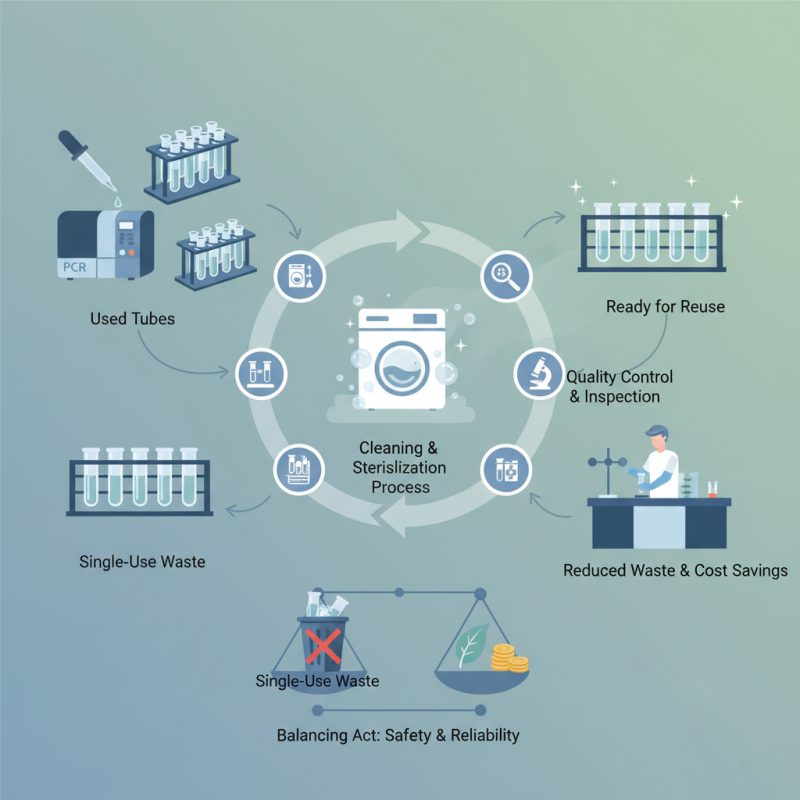
In the world of pharmaceuticals, efficiency and sustainability are crucial. One practical approach is the "Reuse PCR Pharmaceutical Tube" method. These tubes are essential for storing samples and conducting tests. However, their single-use nature leads to significant waste.
Consider the daily operations in a lab. Technicians use numerous tubes for various experiments. Many end up discarded after a single use. This practice is not only wasteful but also poses challenges for resource management. By exploring effective reuse strategies, labs can minimize waste and save costs.
However, reusing PCR pharmaceutical tubes requires careful consideration. Proper cleaning and sterilization are vital. There are potential risks, such as contamination. Each lab must reflect on its capacity to implement these practices safely. The goal is to find a balance between reuse and ensuring reliable results.
Understanding PCR Pharmaceutical Tubes: Material and Design Specifications
PCR pharmaceutical tubes are essential in molecular biology. Understanding their materials and design specifications is crucial for effective reuse. Most PCR tubes are made from polypropylene. This material is durable, lightweight, and resistant to high temperatures, making it an ideal choice for thermal cycling. Studies show that polypropylene can withstand temperatures ranging from -80°C to 121°C, which is necessary for a variety of PCR applications.
The design of these tubes often includes features like thin walls and capillary action. This enhances the heat transfer efficiency during PCR cycles. A report from the International Society for Advancement of Cytometry suggests that improper tube design can lead to inconsistent results. Many users report issues with sample evaporation and contamination when reusing tubes without proper sterilization. While reusing can save costs, it raises questions about reliability.
Visualizing the size and shape of PCR tubes is also important. Standard sizes include 0.2 mL and 0.5 mL, but variability can exist. Reused tubes often carry residual samples, which can pose risk in experiments. It’s vital to clean thoroughly after use. However, not all cleaning methods guarantee complete removal of contaminants. Understanding these details ensures better outcomes in scientific experiments.
Assessing Reusability: Guidelines for Sterilization and Cleaning Methods
When considering the reusability of PCR pharmaceutical tubes, proper sterilization and cleaning methods are essential. These tubes often come into contact with sensitive biological materials. It’s important to ensure they are free from contamination before being reused. Traditional cleaning with soap and water may not be sufficient. Instead, a combination of organic solvents and detergents could enhance effectiveness.
Heat sterilization is a common practice. However, this method risks altering the tube’s integrity. Repeated exposure might weaken its structure. Therefore, careful monitoring of each cycle is necessary. Alternative methods, like chemical sterilization, are sometimes overlooked. They may offer gentler options while still maintaining sterility.
Despite these methods, challenges remain. It’s crucial to assess the condition of each tube regularly. Visible damage or discoloration may indicate reduced reusability. Users should carry out thorough inspections before and after cleaning. Not every tube can withstand repeated use. Some may need to be discarded sooner than anticipated. Reusability requires a balanced approach, prioritizing both safety and practicality.
Effectiveness of Different Sterilization Methods for Reusing PCR Pharmaceutical Tubes
This bar chart illustrates the effectiveness of various sterilization methods for reusing PCR pharmaceutical tubes, measured on a scale of 1 to 10. The data shows that autoclaving is the most effective method, followed by gamma radiation and ethylene oxide.
Best Practices for Reusing PCR Tubes in Laboratory Settings
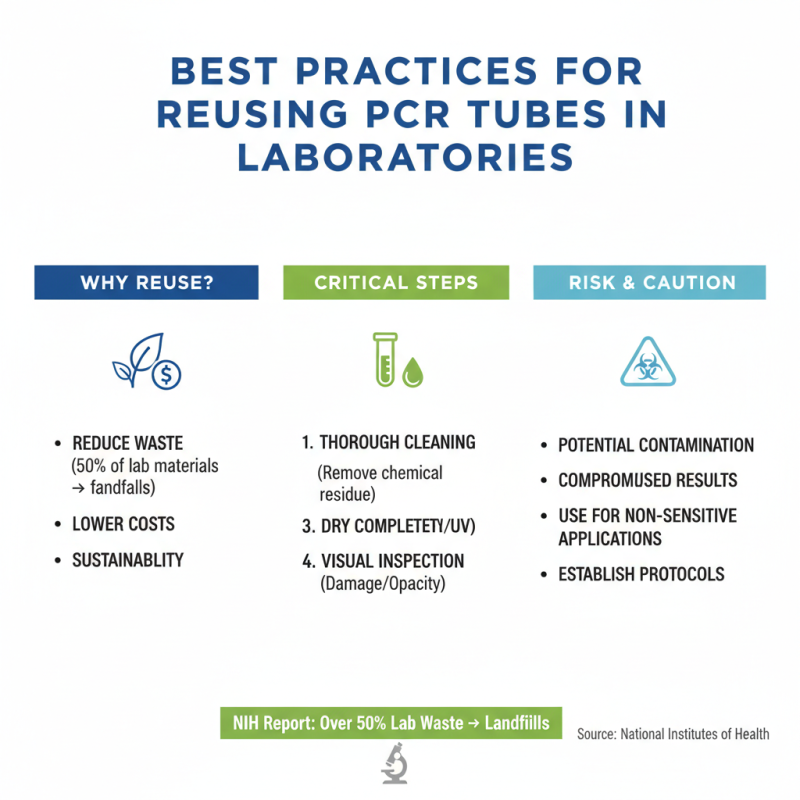
In laboratory settings, reusing PCR tubes can significantly reduce waste and lower costs. According to a report by the National Institutes of Health, over 50% of consumable laboratory materials end up in landfills. This pushes researchers to consider effective reuse strategies for PCR tubes. Proper cleaning and sterilization are critical. However, contamination risks may linger, which demands caution. If not cleaned well, residual chemicals can compromise results.
To maximize reuse, some labs implement a sterilization protocol using autoclaves. Studies show that autoclaving can eliminate 99.9% of contaminants. But researchers must ensure tubes withstand the temperature. Some tubes may warp or change shape, affecting experiments. Another concern is physical integrity. Tubes should be visually inspected for cracks or scratches. Such imperfections can lead to leakage.
While savings are evident, there's an ongoing debate about the quality of reused tubes. A survey by the American Society for Microbiology indicated that 25% of researchers still doubt the reliability of second-hand consumables. Many laboratories face this dilemma: balance between sustainability and scientific accuracy. Regular audits of reusability practices may help labs identify areas for improvement. Each reuse cycle requires thoughtful reassessment of potential risks.
Cost-Benefit Analysis: Economic Impact of Reusing PCR Tubes
Reusing PCR pharmaceutical tubes can significantly cut costs for laboratories. The economic impact is substantial. Each tube has a price that adds up over time. By implementing a reuse strategy, funds can be reallocated to more critical areas of research. However, not all tubes can be reused without risk. Contamination is a major concern. It’s essential to understand when reusing is feasible.
Tips: Always inspect tubes carefully. Look for cracks or any residue. Clean them properly before reuse. Implement a clear labeling system to track usage. This will prevent cross-contamination of samples. It's a simple step but vital for maintaining integrity.
Despite the benefits, some researchers hesitate. They question the safety of reused tubes. A thorough understanding of sterilization methods is crucial. Without proper cleaning, the potential for error increases. It’s a fine balance between saving money and ensuring accuracy. Ultimately, being cautious is key to effective reusability.
Environmental Considerations: Reducing Waste through Tube Reutilization
Reusing PCR pharmaceutical tubes can significantly reduce environmental waste. These tubes are often discarded after single use, contributing to plastic pollution. However, they can serve a second life with proper cleaning and storage. Start by rinsing the tubes thoroughly with water. This simple step eliminates residual materials and prepares them for reuse.
Consider using these tubes for non-critical applications. For instance, they can hold small samples for experiments or work with benign substances. However, remember that not all tubes are equally suited for repeated use. Some may degrade with repeated exposure to cleaning agents. It raises a question: are we putting efficiency over safety?
Creating a sanitation protocol can help ensure the tubes are fit for reuse. Labeling them can also aid in tracking how many times they have been used. Reflecting on this practice may lead to interesting insights. Are we truly minimizing waste, or are we overlooking potential contamination risks? Rethinking how we handle these tubes is vital for an eco-friendlier laboratory environment.
How to Reuse PCR Pharmaceutical Tubes Effectively? - Environmental Considerations: Reducing Waste through Tube Reutilization
| Dimension |
Description |
Impact on Waste Reduction |
| Tube Material |
Typically made from polypropylene (PP) or other recyclable plastics. |
Recycling PP can significantly reduce plastic waste. |
| Reusability |
Tubes can be cleaned, sterilized, and reused for non-biological applications. |
Promotes resource conservation and limits disposal needs. |
| Cleaning Process |
Use of autoclaves, chemical sterilization, or mechanical washing. |
Efficient cleaning reduces contamination risks, prolonging usable life. |
| Alternative Uses |
Can serve as small storage containers for samples or other materials. |
Supports circular economy by repurposing materials. |
| Community Initiatives |
Programs to collect and redistribute tubes for reuse. |
Reduces overall waste in the community and fosters sustainability. |