Why is the Pharmaceutical Tube Essential for Medication Storage and Delivery
The significance of the Pharmaceutical Tube in the healthcare ecosystem cannot be overstated. As a vital component in the storage and delivery of medications, the pharmaceutical tube ensures the integrity and efficacy of medicinal compounds from the point of manufacture to the end-user. These tubes are meticulously designed to safeguard against environmental factors such as light, moisture, and air, which can compromise the quality of pharmaceuticals. Such protection is essential for maintaining the therapeutic properties of sensitive medications, ultimately ensuring patient safety and treatment efficacy.
Furthermore, the practicality of the Pharmaceutical Tube extends beyond mere storage; it plays a crucial role in the ease of administering medications. Its design facilitates user-friendly dispensing options, helping healthcare providers and patients alike to manage dosages accurately. Whether used in hospitals, clinics, or at home, the tube's functionality enhances adherence to treatment regimens and minimizes the risk of contamination or spoilage. In summary, the Pharmaceutical Tube stands as an indispensable asset in the medical field, highlighting its importance in both the preservation and effective delivery of vital medications.

Overview of Pharmaceutical Tubes and Their Purpose
Pharmaceutical tubes serve a critical role in the storage and delivery of medications. These tubes are specifically designed to maintain the integrity of the contents, ensuring that active ingredients remain stable and effective until the point of administration. According to a report by Grand View Research, the global pharmaceutical packaging market is expected to reach $1.2 trillion by 2026, with a significant portion attributed to innovative packaging solutions like pharmaceutical tubes. This growth underscores the importance of proper medication delivery systems that aid in prolonging shelf life and enhancing the efficacy of pharmaceutical products.
One of the key purposes of pharmaceutical tubes is their ability to provide barriers against environmental factors such as moisture, light, and air, which can compromise drug stability. For instance, a study published in the International Journal of Pharmaceutics revealed that proper packaging could reduce the degradation of sensitive compounds by up to 90%. Furthermore, these tubes are often designed for ease of use, facilitating accurate dosing and minimizing waste. By addressing both protection and user convenience, pharmaceutical tubes play an essential role in ensuring that medications are delivered safely and effectively to patients, ultimately improving therapeutic outcomes.
Importance of Pharmaceutical Tubes in Medication Storage and Delivery
This chart displays the distribution of various types of pharmaceutical tubes used for medication storage and delivery. It highlights the significance of each type in ensuring medication safety and effectiveness.
Materials Used in Pharmaceutical Tube Manufacturing
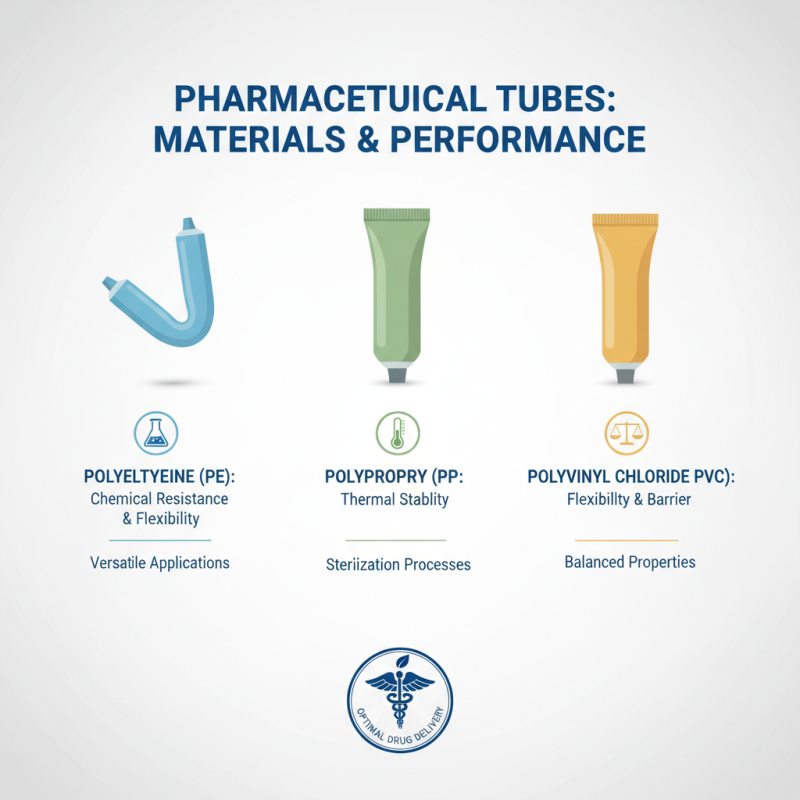
Pharmaceutical tubes play a crucial role in the storage and delivery of medications, and the materials used in their manufacturing significantly influence their performance. Commonly, these tubes are made from polymers such as polyethylene, polypropylene, and polyvinyl chloride (PVC). Each of these materials offers distinct benefits: polyethylene is known for its excellent chemical resistance and flexibility, making it ideal for a range of applications. Polypropylene provides higher thermal stability, which is essential for medications that require sterilization processes. PVC, while versatile, is often used in applications where a balance between flexibility and barrier properties is needed.
In addition to plastics, aluminum and glass are also used in the manufacturing of pharmaceutical tubes. Aluminum tubes are lightweight and provide a barrier to light and air, which is vital for protecting sensitive formulations from degradation. Glass tubes, on the other hand, are inert and offer excellent protection against contamination, making them suitable for highly sensitive or reactive compounds. The choice of material not only affects the physical properties of the tube but also its interaction with the drug contained within, underscoring the importance of material selection in ensuring medication efficacy and safety during storage and delivery.
Importance of Proper Medication Storage Practices
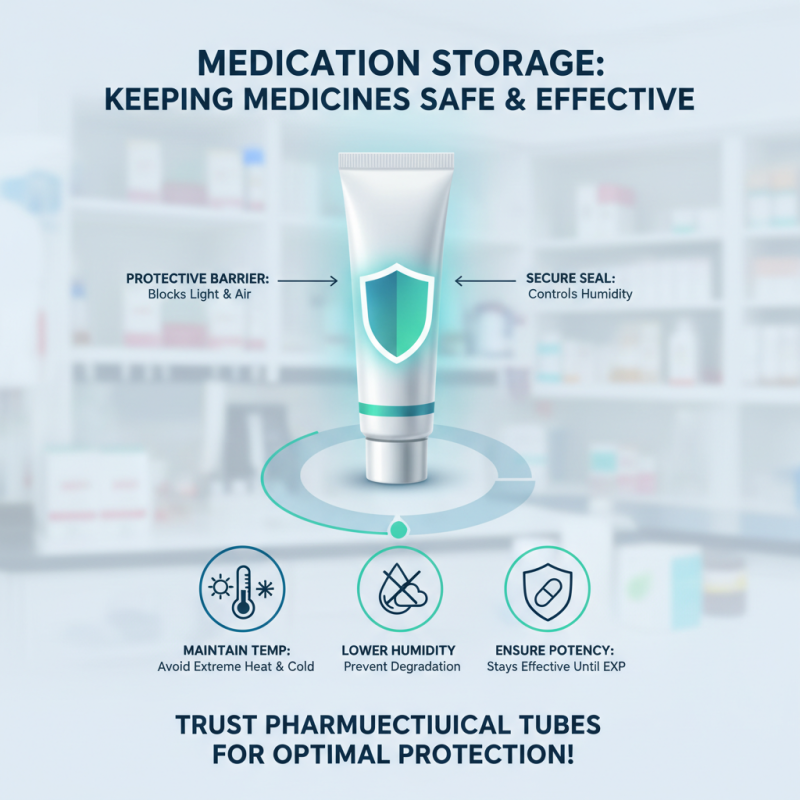
Proper medication storage practices are crucial for maintaining the efficacy and safety of pharmaceuticals. Medications are often sensitive to environmental factors such as temperature, humidity, and light. Incorrect storage can lead to chemical degradation, resulting in reduced potency and potential safety risks for patients. For this reason, pharmaceutical tubes are specifically designed to provide an optimal storage environment that protects medications from external elements, ensuring they remain effective until their expiration date.
In addition to protecting the integrity of medications, proper storage practices also enhance medication delivery. When medications are stored correctly in pharmaceutical tubes, they are readily available for use, minimizing the risk of contamination or errors in dosage. This is particularly important in settings like hospitals and pharmacies, where a wide variety of medications are on hand, and any oversight can have serious consequences. Therefore, utilizing appropriate storage solutions not only safeguards the quality of medications but also promotes adherence to best practices in medical settings, ultimately benefiting patient care.
Key Features of Effective Medication Delivery Systems
Effective medication delivery systems play a crucial role in ensuring that patients receive their prescribed treatments safely and efficiently. One of the key features of these systems is their ability to maintain the integrity and stability of medications, particularly those that are sensitive to environmental conditions such as temperature and humidity. Pharmaceutical tubes are specifically designed to provide an airtight seal that protects medications from contamination while preventing exposure to light, moisture, and air, thereby enhancing drug efficacy and shelf life.
Another important aspect of effective medication delivery systems is user convenience and accuracy in dosage administration. Innovative design features in pharmaceutical tubes facilitate precise dispensing, reducing the risk of dosage errors. These tubes often incorporate mechanisms that allow for easy handling and measurement, catering to both healthcare professionals and patients. Additionally, the ergonomic design of these delivery systems can enhance the user experience by simplifying the process of administering medication, especially for individuals with limited dexterity. By focusing on these key features, pharmaceutical tubes ensure that medications are stored and delivered effectively, ultimately promoting better health outcomes.
Regulatory Standards Governing Pharmaceutical Tube Usage
The regulatory landscape surrounding pharmaceutical tube usage is crucial for ensuring the safety and efficacy of medications. Various authorities, including the U.S. Food and Drug Administration (FDA) and the European Medicines Agency (EMA), have established stringent guidelines that govern materials, manufacturing processes, and testing protocols for pharmaceutical packaging. According to a 2022 report by the International Society for Pharmaceutical Engineering, compliance with these standards minimizes contamination risks and ensures that medications retain their integrity throughout their shelf life.
Manufacturers must also adhere to the Good Manufacturing Practice (GMP) regulations, which emphasize quality control in the production of medicinal products. For instance, the breakdown of pharmaceutical tubes made from specific materials—like polyethylene or polypropylene—must meet the standards defined by regulatory bodies, with detailed documentation required for traceability and safety assessments. Such adherence not only safeguards patient health but also fosters trust in pharmaceutical products across global markets.
Tips: When selecting pharmaceutical tubes for medication, consider materials that offer barrier properties, ensuring they resist moisture and gas permeation. Additionally, always check for compliance certificates that confirm regulatory standards have been met. Keeping updated with the latest guidelines from relevant health authorities will help maintain quality and safety in pharmaceutical storage and delivery systems.