What is a Flat Bottom Pouch and Its Benefits for Brands?
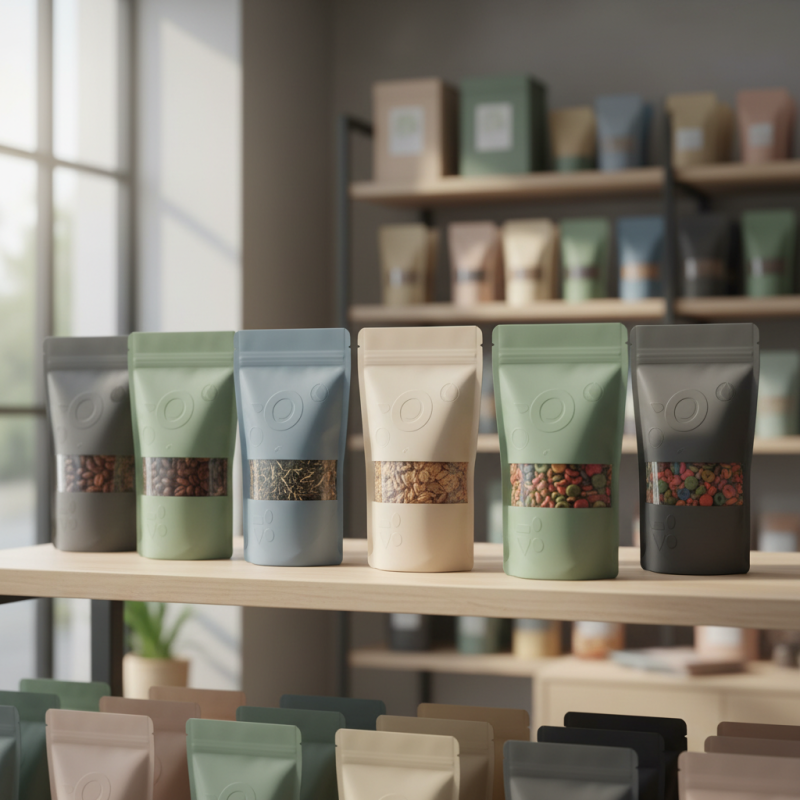
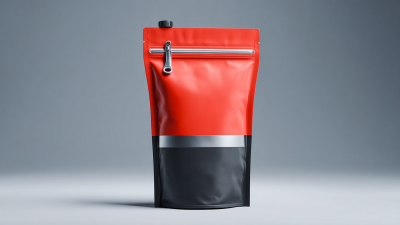
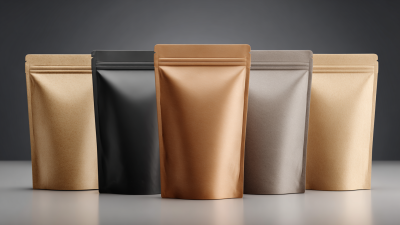
The Flat Bottom Pouch is revolutionizing packaging in various industries. Experts highlight its versatility and efficiency. Mike Thompson, a leading packaging consultant, states, "Flat Bottom Pouches create a strong shelf presence and offer superior functionality." This unique design stands upright, maximizing storage and display space.
Flat Bottom Pouches are not only practical but also environmentally friendly. Their construction often uses less material than traditional packaging. This sustainable approach appeals to eco-conscious consumers. However, brands must constantly innovate to stay relevant in a competitive market.
Despite the advantages, challenges remain. Transitioning to Flat Bottom Pouches requires investment and planning. Brands must consider their packaging processes carefully. Ultimately, the choice of packaging significantly impacts brand perception and market success.
What is a Flat Bottom Pouch and Its Unique Design Features
Flat bottom pouches have gained popularity due to their unique design and functional benefits. Unlike traditional bags, flat bottom pouches stand upright, allowing for efficient storage and display. This design enhances brand visibility on retail shelves, providing a competitive edge. According to a 2022 report by Smithers Pira, the flexible packaging market is projected to grow by 4.5% annually. This growth highlights the industry's shift towards innovative packaging solutions.
The flat bottom design offers numerous advantages. It allows for more significant product volume while maintaining a smaller footprint. Additionally, these pouches can be easily sealed, ensuring product freshness. Many brands find this feature crucial for maintaining quality over time. Research shows that consumers often prefer pouches with clear viewing windows, making the product visible while enhancing its appeal. This combination of practicality and aesthetics can lead to increased sales.
Tips: Consider the material of your flat bottom pouches. Choosing biodegradable options can appeal to eco-conscious consumers. Remember to incorporate user-friendly closures. Think about how easy or difficult your packaging may be for customers. Making packaging accessible is essential for positive customer experience.
What is a Flat Bottom Pouch and Its Benefits for Brands?
| Feature |
Description |
Benefits for Brands |
| Design |
Offers a flat base that allows the pouch to stand upright. |
Enhances product visibility on shelves. |
| Material |
Made from flexible, durable materials suitable for diverse products. |
Allows for lighter packaging and reduced shipping costs. |
| Customization |
Can be printed with unique designs and branding elements. |
Creates brand recognition and attracts consumers. |
| Eco-Friendly Options |
Available in biodegradable or recyclable materials. |
Appeals to environmentally conscious consumers. |
| Seal & Closure |
Various sealing options like zippers or heat seals. |
Improves product freshness and prolongs shelf life. |
Key Differences Between Flat Bottom Pouches and Traditional Packaging
Flat bottom pouches stand out in the packaging world. Their unique design allows for better stability and allows products to stand upright. This is a significant advantage over traditional packaging methods, which often cannot support themselves. The flat bottom provides a larger surface area for branding and visibility, making them ideal for shelf presentation.
When comparing flat bottom pouches to traditional packaging, the differences are striking. Traditional bags may lack structure, leading to difficulties in displaying products. Flat bottom pouches, on the other hand, can be filled more easily and maintain their shape, ensuring that contents remain visible. This is crucial in a competitive market. Customers are drawn to products that catch the eye.
Tips: Consider the material used for flat bottom pouches. High-quality materials enhance durability and ensure product safety. Additionally, think about size variations. Customizing the size for your product can create a tailored experience for consumers. Reflecting on these aspects can improve brand perception and consumer trust.
Market Trends: Demand for Flat Bottom Pouches in the Food Industry
The demand for flat bottom pouches has significantly increased in the food industry. In recent years, these pouches have gained popularity because of their practical design and consumer-friendly features. According to a 2022 report by Freedonia Group, the flexible packaging market is expected to grow at a compound annual growth rate (CAGR) of 4.5% overtaking traditional packaging formats. This ongoing shift is partly driven by consumers' desire for convenient, resealable packaging options.
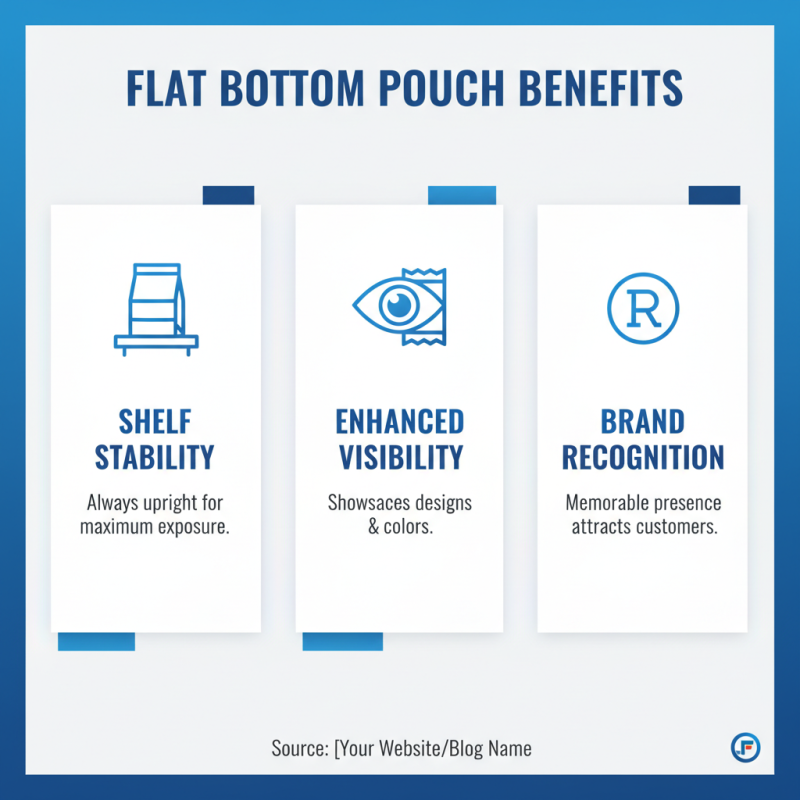
Flat bottom pouches offer benefits such as stability, enhanced shelf visibility, and efficient packing. Their design allows for optimal space utilization, making them ideal for food products that require eye-catching presentation. Indeed, Mintel reported that 63% of consumers prefer packages that are easy to store, showing the growing alignment between consumer preferences and flat bottom pouch characteristics. However, brands must be aware of the environmental impact of packaging types.
Tip: When choosing packaging, consider sustainability. Look for materials made from recyclable or biodegradable sources. It can enhance your brand’s reputation and cater to eco-conscious consumers.
Flat bottom pouches also provide ample space for branding. This creates greater opportunities for storytelling on packaging. As brands seek differentiation, flat bottom pouches can serve as a canvas for creativity. Yet, brands may face challenges in balancing aesthetics with functionality. It’s essential to innovate while staying true to product integrity.
Benefits of Flat Bottom Pouches for Brand Visibility and Marketing
Flat bottom pouches are gaining popularity among brands for good reasons. Their unique design offers stability on shelves. This feature ensures products remain visible and appealing to consumers. The pouches stand upright, showcasing vibrant colors and intricate designs effectively. This visibility directly contributes to brand recognition.
Consumers are drawn to packaging that communicates quality. Flat bottom pouches can feature intricate graphics. This makes them perfect for marketing campaigns aimed at attracting attention. The ability to showcase information clearly enhances a brand’s credibility. Brands can provide details about ingredients, usage, or sustainability efforts in a structured manner.
However, these pouches still have potential areas for improvement. Some brands struggle to find the right balance between aesthetics and information. Too much text can overwhelm consumers. Additionally, the environmental impact of packaging remains a concern. Brands must consider sustainable materials while maintaining visual appeal. This ongoing challenge calls for continuous innovation in design and materials.
Sustainability Considerations for Flat Bottom Pouches in Packaging Solutions
Flat bottom pouches are gaining attention in packaging due to their unique design. These pouches can stand upright, providing excellent shelf presence. They allow for efficient use of space, making them a preferred choice for many brands. However, the sustainability of materials used in these pouches needs careful consideration. Reports indicate that flexible packaging, including flat bottom pouches, can reduce carbon emissions by 30% compared to rigid packaging designs.
While flat bottom pouches offer practical benefits, the environmental impact of their production must be scrutinized. Many pouches are made from multi-layer plastics, complicating recycling efforts. According to a 2022 study, only 9% of plastic ever produced has been recycled. Brands need to explore biodegradable or compostable options for producing these pouches. The rise of circular economy practices emphasizes the importance of materials that can be easily reprocessed or returned to nature.
Adopting flat bottom pouches with sustainable materials can enhance brand reputation. Consumers are increasingly aware of their choices. A survey showed that 70% of consumers prefer brands that prioritize sustainability. However, it’s crucial for companies to communicate transparently about their materials and processes. Misleading claims can lead to consumer distrust. The journey towards sustainability is complex but necessary for long-term success in today’s market.