What is Laminate Film Benefits Uses and Applications?
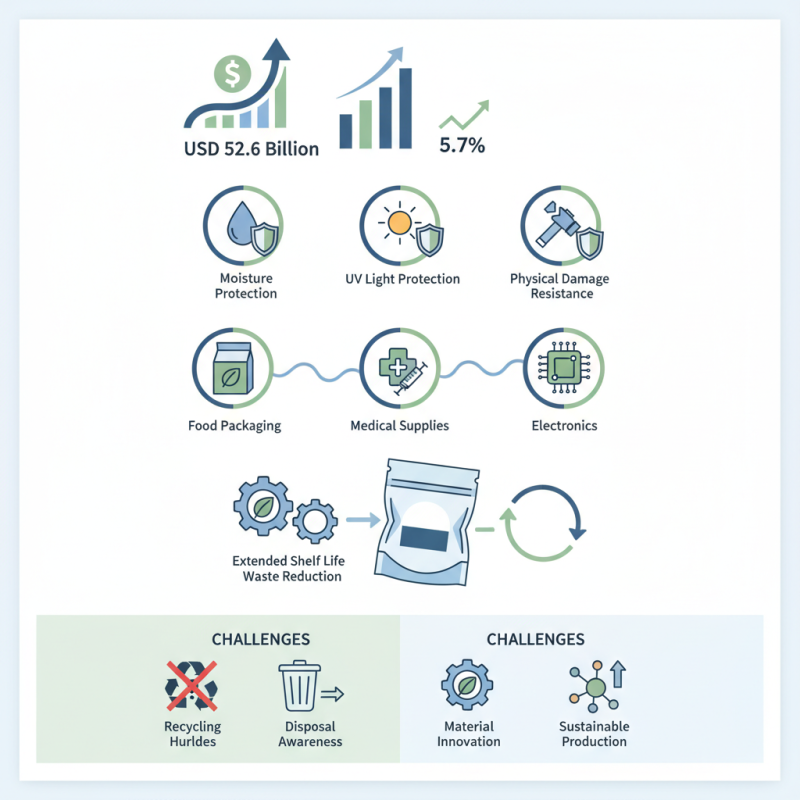
Laminate Film plays a vital role in various industries today. Its versatility offers numerous benefits, making it invaluable to manufacturers. According to a recent market analysis, the global laminate film market is expected to reach USD 52.6 billion by 2025, growing at a CAGR of 5.7%. This growth indicates the increasing demand for durable and aesthetic packaging solutions.
Laminate Film provides excellent protection against moisture, UV light, and physical damage. Its application spans food packaging, medical supplies, and electronics. For instance, in the food industry, laminate films maintain freshness and extend shelf life. A study from Smithers Pira highlighted that flexible packaging, including laminate films, contributes to substantial waste reduction.
Despite its many advantages, some challenges exist in the laminate film sector. Recycling remains one of the significant hurdles, as many consumers are unaware of proper disposal methods. Additionally, while laminate films provide visual appeal, there is ongoing debate regarding their environmental impact. These concerns highlight the need for continuous innovation in materials and production processes.
What is Laminate Film? An Overview of Its Composition and Properties
Laminate film is a versatile material widely used across various industries. It is composed of multiple layers that enhance its durability and protective qualities. Typically, it includes a core layer made of polyolefin or polyester, combined with additional layers to improve moisture resistance and chemical stability. According to a report by Smithers Pira, the global demand for laminate films is expected to grow at a CAGR of 5.1% from 2021 to 2026.
The properties of laminate film make it a preferred choice for packaging applications. It offers excellent barrier protection against water, gases, and UV light, which helps extend the shelf life of products. Many food and beverage companies utilize this material to ensure freshness. However, challenges do arise. The recyclability of laminate films can hinder their sustainability credentials. Industry analysts are pushing for innovations that enhance both the environmental benefits and performance of these films.
Applications of laminate film extend beyond food packaging. They are found in electronics, automotive components, and medical supplies. The adaptability of laminate films allows them to meet specific requirements across different sectors. Yet, while these films are effective in many contexts, achieving the perfect balance of cost, performance, and eco-friendliness remains a complex task. Ongoing research is crucial to address these issues and improve laminate film technologies.
Laminate Film Benefits and Applications
This chart illustrates the key benefits of laminate film, including its durability, moisture resistance, UV protection, clarity, and cost-effectiveness, all of which contribute to its widespread use in various applications.
Key Benefits of Laminate Film in Packaging and Protection
Laminate film plays a crucial role in modern packaging and protection. Its durability makes it ideal for various industries. According to a report by Smithers Pira, the global laminated film market is expected to grow at a rate of 5.1% annually, reaching over $20 billion by 2025. This rapid growth highlights the importance of laminate films in packaging solutions.
One major benefit of laminate film is its barrier properties. It effectively protects products from moisture, air, and light. This is vital for food products, pharmaceuticals, and sensitive electronics. For instance, a study from the Flexible Packaging Association shows that products using laminate film have shown a significant decrease in spoilage rates, often by over 30%. This results in longer shelf life and less waste.
Another key aspect of laminate films is their versatility. They can be customized for different applications, from food packaging to industrial uses. Their lightweight nature reduces transportation costs, making them environmentally friendly. Nonetheless, the challenge remains in recycling these materials, as not all laminate films are easy to process. The industry must continue to seek solutions for sustainable disposal to address these concerns. This ongoing need for improvement blurs the line between innovation and environmental responsibility.
Common Uses of Laminate Film Across Various Industries
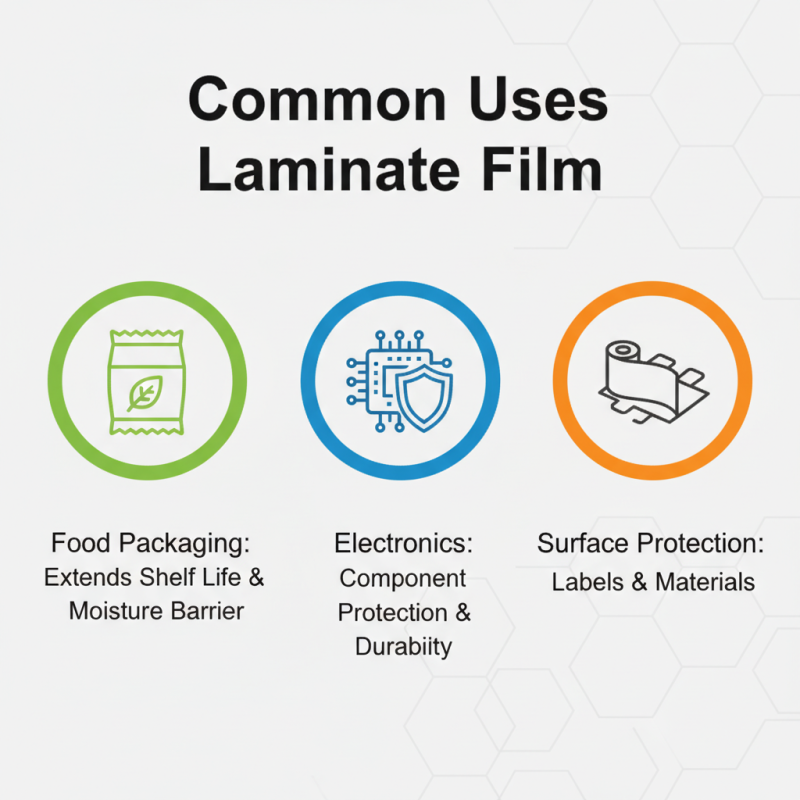
Laminate film finds broad application across various industries. Its versatility makes it ideal for packaging, labels, and surface protection. In food packaging, laminate film extends shelf life by providing a moisture barrier. This helps keep products fresh and safe for consumers. In electronics, it protects sensitive components from dust and moisture, enhancing durability.
In the graphic arts sector, laminate film is used for posters and signs. It adds a glossy finish and enhances colors. This protective layer also prevents wear and tear, which is vital in high-traffic areas. However, not all laminate films are created equal. Some may not adhere well or can peel over time. Choosing the right type requires careful consideration of material compatibility.
The cosmetic industry benefits from laminate film as well. It preserves the integrity of labels and printed designs on beauty products. Yet, these films can sometimes create waste challenges. Recycling options may be limited, raising environmental concerns. It's essential for companies to evaluate their laminate choices critically. This helps balance functionality with eco-friendliness.
Innovative Applications of Laminate Film in Technology and Design
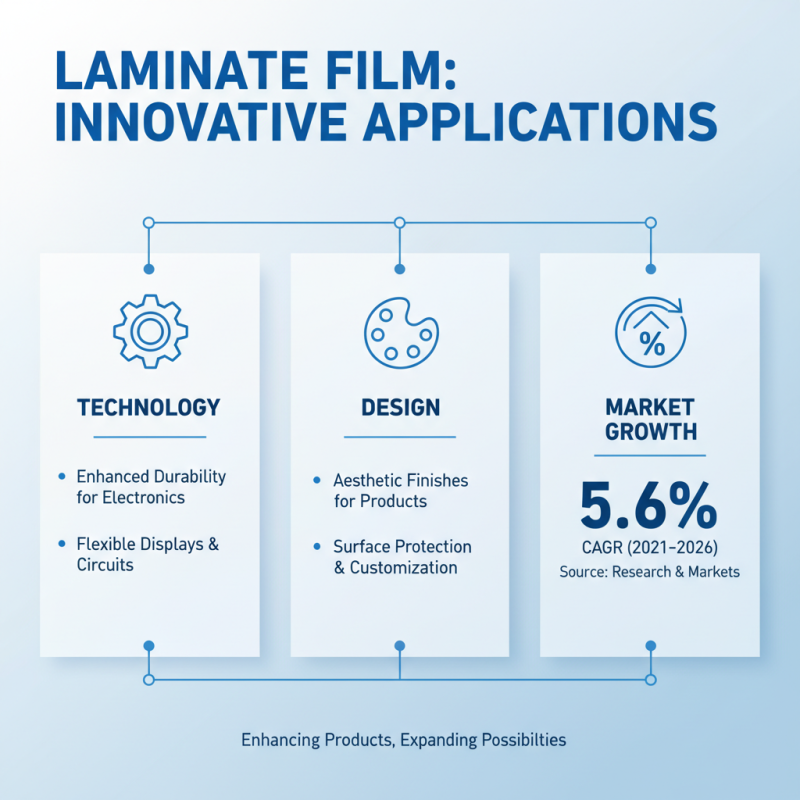
Laminate film has gained traction in various innovative applications across technology and design. This material enhances durability and visual appeal in products. According to a report by Research and Markets, the laminate film market is expected to grow at a CAGR of 5.6% from 2021 to 2026. This growth indicates its increasing relevance in various sectors.
In the realm of technology, laminate films are often used in electronic devices, providing a protective layer against scratches and moisture. They are lightweight and flexible, allowing them to adapt to different shapes. For example, in smartphones, laminate films help maintain device integrity while enhancing aesthetics. In design, laminate films are used in furniture and interior settings, offering scratch resistance and various design options.
However, challenges exist. Not all laminate films are environmentally friendly. Some materials used in traditional laminate films can have negative environmental impacts. The industry is reflecting on how to address sustainability concerns while meeting consumer demands. Balancing functionality with eco-friendliness remains a significant challenge in the laminate film sector.
Market Trends and Future Prospects for Laminate Film Usage
The laminate film industry has been evolving rapidly. Emerging applications are shaping the market trends for laminate films. These films are highly versatile and are used in packaging, electronics, and automotive sectors. The wide adoption is partly due to their lightweight and durable properties. Many manufacturers are recognizing laminate films as eco-friendly options.
Sustainability plays a significant role in driving market growth. More companies are seeking biodegradable options to reduce their environmental footprint. Innovations in materials are making these films not only greener but also more efficient. However, challenges exist, including the cost of production and material sourcing. Industry players must navigate these issues to remain competitive.
The future prospects for laminate films look promising. Technological advancements will enhance their functionality and applications. As industries pursue better packaging options, the demand for laminate films will likely increase. Yet, staying ahead in such a dynamic market requires continuous adaptation and reflection. Manufacturers need to invest in research to address evolving consumer needs.