Pbl Rpbl Laminate Film Tips for Best Results and Usage?
The Pbl/Rpbl Laminate Film is increasingly favored in various industries for its versatility and durability. According to recent market reports, global demand for laminate films is projected to grow by 5.6% annually. Yet, achieving optimal results with this material requires a deeper understanding of its properties and applications.
To maximize the effectiveness of Pbl/Rpbl Laminate Film, users must consider specific factors. The film's compatibility with different substrates can influence adhesion and durability. Data indicates that improper application can lead to issues like bubbling or peeling, which detracts from the film's overall performance. Despite its advantages, practitioners sometimes overlook essential preparation steps, which can result in subpar outcomes.
Furthermore, while the film offers resistance to scratches and moisture, it is not impervious to all environmental factors. Users should be aware of limitations, such as temperature sensitivity. Balancing expectations with real-world application can help avoid frustration. Regularly assessing techniques can lead to improved results and better resource allocation.
PBL and R-PBL Laminate Film Overview: Understanding Their Properties
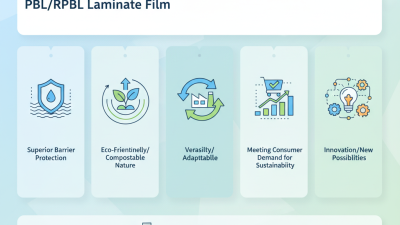
PBL and R-PBL laminate films are gaining traction in various industries. Their properties make them ideal for packaging, laminating, and protective applications. PBL films offer durability, while R-PBL films are designed for better recyclability. Industry reports indicate that the growth rate of the laminate film market is substantial, projected to reach 5.9% annually by 2026.
It's essential to understand the characteristics of these films. PBL films are resistant to moisture and chemicals. This resistance allows them to protect products effectively during storage and shipment. R-PBL films, on the other hand, contribute significantly to sustainability efforts. They are made from materials that are easier to recycle, reducing environmental impact.
For best results with laminate films, always keep the surface clean before application. Dust and oils can hamper adhesion. Store films in a cool, dry place to maintain their properties. Lastly, avoid excessive heat exposure to prevent warping. Small adjustments can enhance performance significantly. Achieving optimal results requires attention to detail, as even minor oversights can lead to issues.
PBL Rpbl Laminate Film Tips for Best Results and Usage
| Property |
PBL Laminate Film |
R-PBL Laminate Film |
| Thickness |
50 µm |
75 µm |
| Finish |
Glossy |
Matte |
| Durability |
High |
Very High |
| Heat Resistance |
Up to 80°C |
Up to 100°C |
| Applications |
Documents, Cards |
Menus, Posters |
| Adhesive Type |
Pressure Sensitive |
Heat Activated |
| Tear Resistance |
Moderate |
High |
Choosing the Right Type of Laminate Film for Your Project
Choosing the right type of laminate film is crucial for your project’s success. There are various types available, each with its unique benefits. For example, some films offer more durability, while others provide a glossy finish that enhances colors. Assess your project’s needs carefully before selecting.
Consider the environment where the laminated item will be used. If it will face moisture or high temperatures, opt for a film designed for those conditions. It’s important to test a small sample first. Not all films will adhere perfectly to every surface. You might experience bubbles or uneven edges. Reflect on previous experiences. Were there setbacks with past projects?
Additionally, think about the thickness of the laminate film. Thicker options tend to offer extra protection but may be harder to work with. Balance protection with usability. Make a list of priorities before purchasing. This approach can save you time and materials, preventing frustration. In the end, it’s about finding the right fit for your specific needs. The right choice will lead to a more satisfying finished product.
Essential Preparation Steps Before Applying Laminate Film
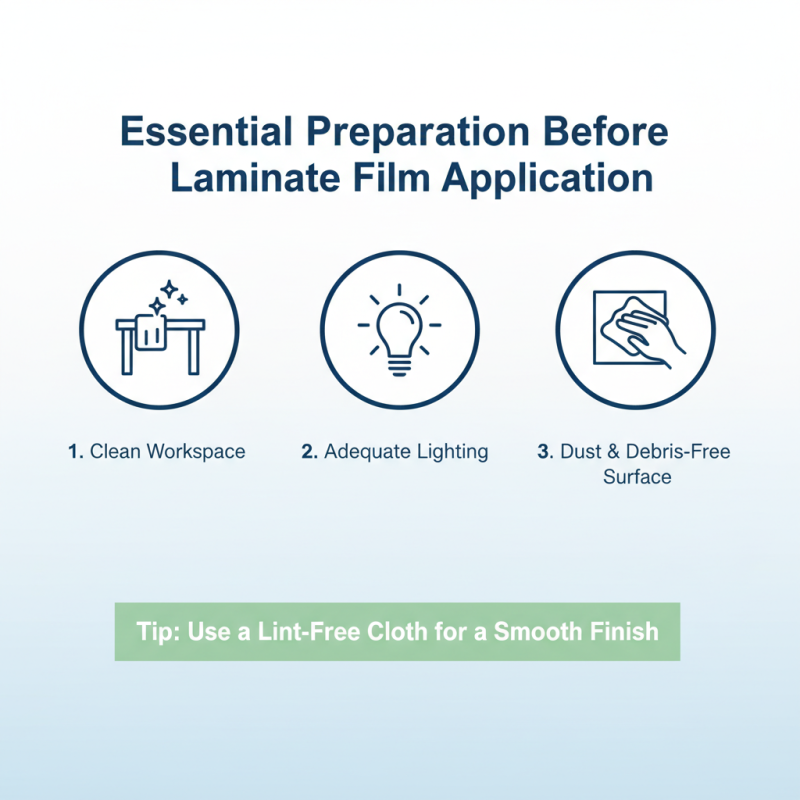
Before applying laminate film, several essential preparation steps can greatly enhance your results. Start by preparing a clean workspace. Clear any clutter and ensure you have adequate lighting. Dust and debris can easily affect the adhesion of the laminate film. Consider using a lint-free cloth to wipe surfaces. This small step helps ensure a smooth application.
Next, measure your surface accurately. Precision is key. Use a measuring tape to mark where the film will go. This helps prevent any misalignment during application. If possible, practice applying the film on scrap material first. It’s a great way to get familiar with techniques, but remember, it may not go perfectly the first time. Reflection is crucial; consider what worked and what didn’t.
Finally, gather all necessary tools before starting. This should include a squeegee, utility knife, and any other items that can assist in the process. Don’t rush through this preparation. Each detail matters, and even minor oversights could lead to challenges later on. Taking your time now will pay off in a smoother application and better results overall.
Techniques for Achieving a Smooth Application of Laminate Film
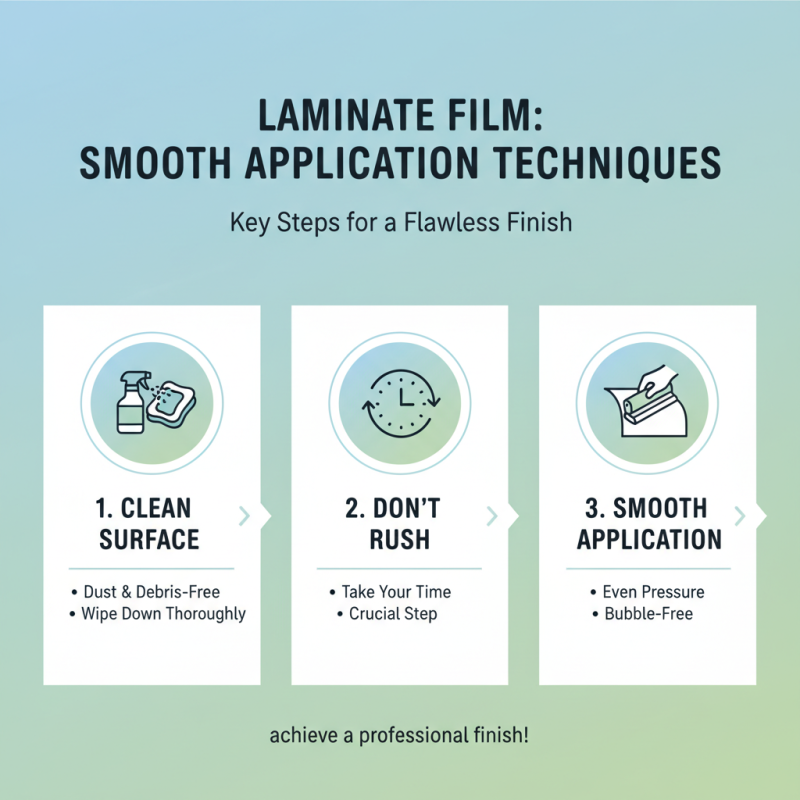
Achieving a smooth application of laminate film can be challenging. Start with a clean surface. Dust and debris can ruin your finish. Take time to wipe down the area before application. Don't rush this step; it matters more than you might think.
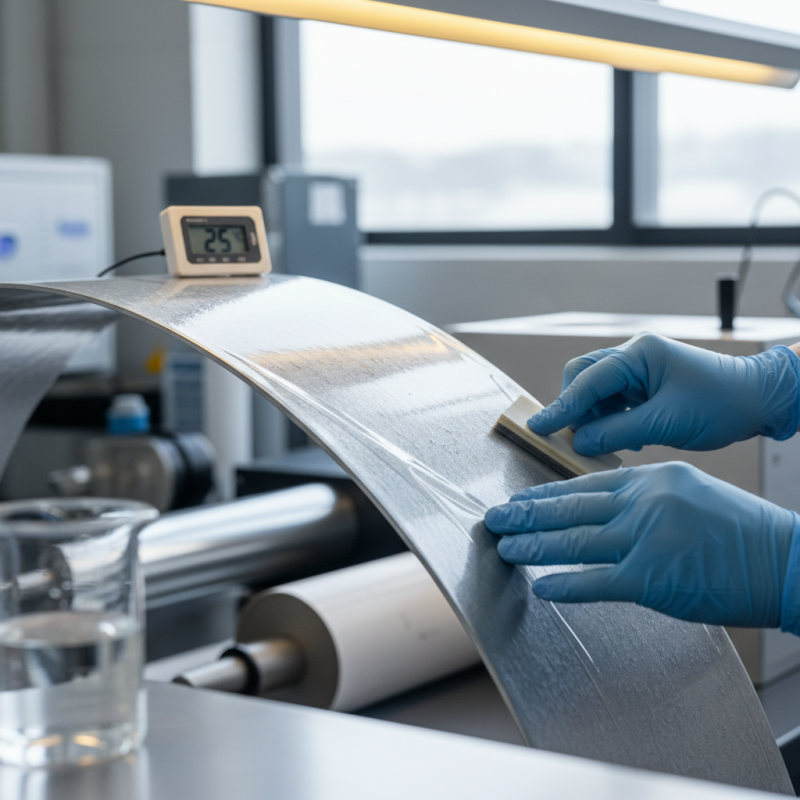
When positioning your film, align it carefully. Use a squeegee to push out air bubbles. This tool can help create a tight seal. However, I often find myself struggling with bubbles anyway. Sometimes, I need to lift the film and reapply. It feels frustrating, but it’s part of the learning process.
After applying, inspect the edges. These areas can be tricky, and I’ve seen edges lift over time. Sometimes, I wish I had used more pressure when sealing them down. It’s a reminder to pay attention to detail. Small observations can lead to better results. Remember, practice helps improve your skills. Each attempt is a learning opportunity.
Common Mistakes to Avoid When Using Laminate Film for the Best Results
When using laminate film, there are common mistakes that can sabotage your efforts. One frequent error is not cleaning the surface properly before application. Dust and fingerprints can become trapped, leading to unsatisfactory results. Take the time to wipe down surfaces using a lint-free cloth. This simple step can ensure a smooth finish.
Another mistake is cutting the laminate film too short. Leaving a little excess material can provide a safety net for adjustments. This prevents edge peeling and allows for a neater appearance. Many users have felt frustrated when their edges weren't well secured. A slight overhang is often better than falling short.
Some also rush the application process. It's essential to apply the film slowly and steadily to avoid bubble formation. Bubbles can be hard to remove and ruin the look. Using a smooth tool can help push out air during application. Don't overlook these details, as mistakes can be costly in time and resources.