3 Side Seal Center Seal Tips for Effective Packaging Solutions?
In the world of packaging solutions, the "3-Side-Seal Center Seal" technique stands out for its efficiency and versatility. This method involves sealing three sides of a package while keeping the fourth side open, allowing for easy filling and sealing. This approach is widely used in various industries, including food, pharmaceuticals, and consumer goods. It reduces material usage while ensuring product safety and freshness.
Moreover, mastering the "3-Side-Seal Center Seal" can significantly enhance your packaging process. It increases production speed and allows for creative designs. However, some challenges may arise, such as misalignment during sealing, which can cause leaks. It’s crucial to invest in reliable sealing machinery and conduct regular quality checks. Reflecting on past experiences can help identify potential pitfalls and improve the overall effectiveness of your packaging solutions.
Exploring effective strategies around the "3-Side-Seal Center Seal" can lead to impressive results. Proper training for your team on handling this technique is valuable. Attention to detail can prevent costly mistakes. Achieving high-quality packaging requires continuous evaluation and adaptation. By focusing on these tips, you can optimize your packaging solutions and meet consumer demands with confidence.
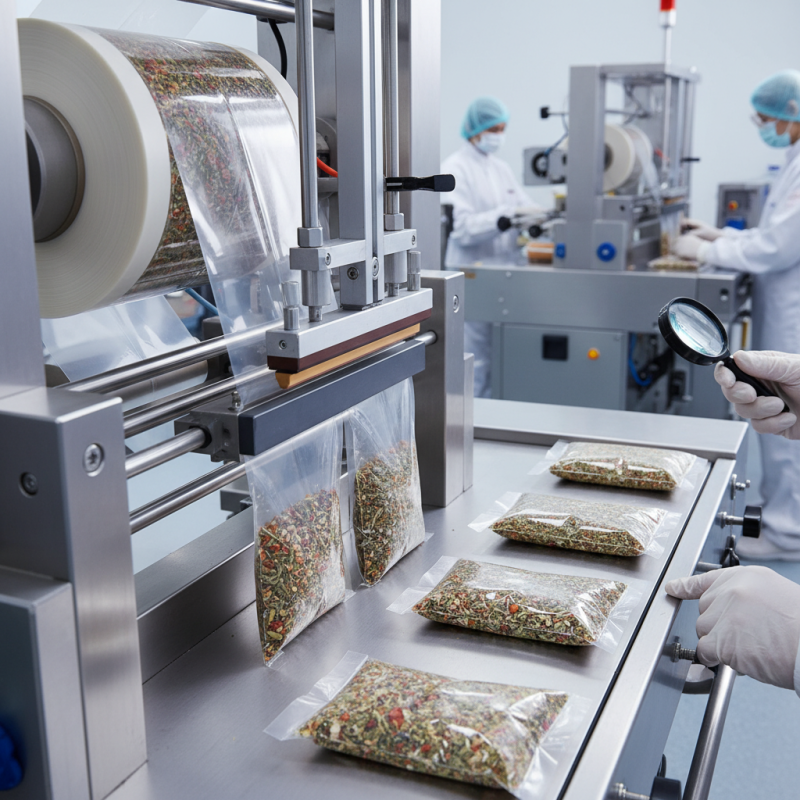
3 Side Seal vs. Center Seal: Key Differences in Packaging Efficiency
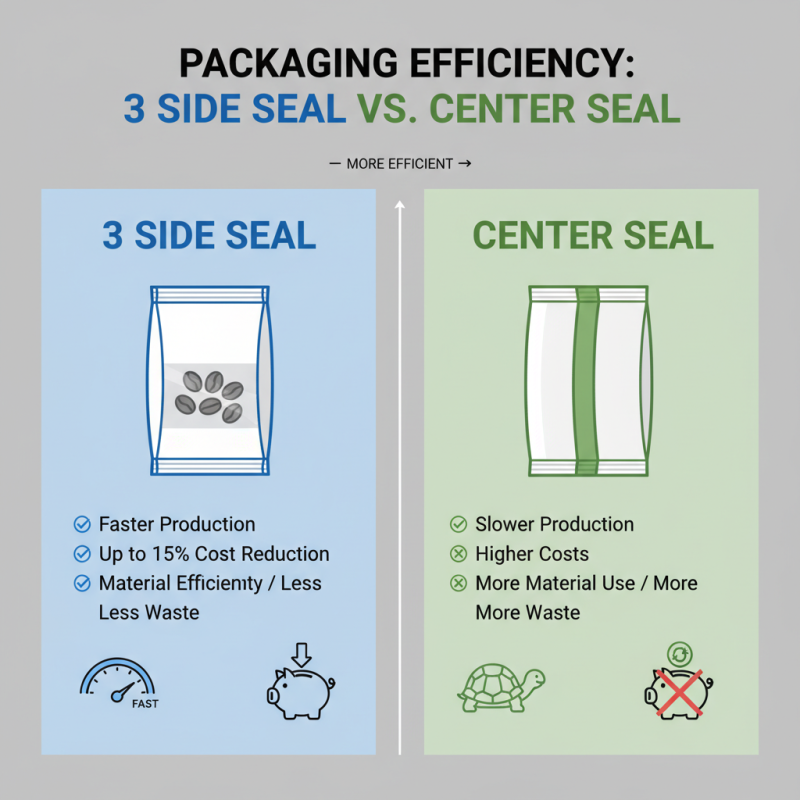
When it comes to packaging solutions, the choice between 3 Side Seal and Center Seal methods can significantly impact efficiency. The 3 Side Seal system, known for its simplicity, often allows for faster production rates. Reports indicate that packaging with a 3 Side Seal can reduce production costs by up to 15%. This method effectively maximizes material use, minimizing waste during the packaging process.
In contrast, the Center Seal presents its own unique advantages. It provides a strong, secure seal that often enhances product freshness. Research shows that items sealed this way have extended shelf lives, which can lower spoilage rates. However, Center Seal technologies usually require more complex machinery, which can increase initial setup costs. This can be a barrier for smaller companies looking to maintain efficient operations.
Both methods have distinct trade-offs. The 3 Side Seal is generally more straightforward and cost-effective, but may not offer the same level of product protection. On the other hand, the Center Seal might enhance product longevity but requires a higher investment in technology. Companies must carefully evaluate their specific needs and resources before making a decision.
Industry Standards for Seal Quality: Ensuring Product Safety and Freshness
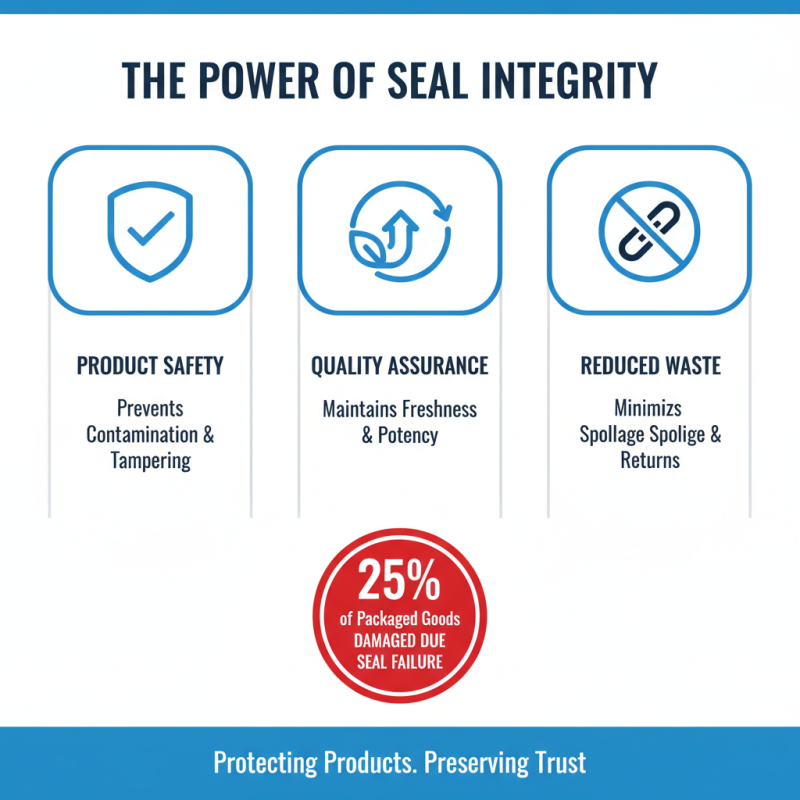
In packaging, seal quality is paramount for ensuring product safety and maintaining freshness. According to the Flexible Packaging Association, over 30% of consumers return products due to seal failures. This highlights the critical need for robust sealing methods like the side seal and center seal.
When seals break or leak, it compromises integrity. A study found that nearly 50% of products with inferior seals spoil prematurely. Manufacturers must prioritize seal testing and adhere to industry standards. This involves evaluating seal strength, durability, and resistance to environmental factors. Usage of materials with proven barrier properties can enhance seal effectiveness.
Inconsistent sealing processes can lead to recalls. The American Society for Quality emphasizes that poor seals can cost companies millions in losses and damaged reputations. Designing effective packaging requires a balance of cost and quality. Investing in better sealing technologies may need upfront costs but can yield long-term savings. Ultimately, revisiting sealing methods can drastically improve product shelf life and consumer trust.
3 Side Seal Center Seal Tips for Effective Packaging Solutions
| Seal Type |
Material |
Applications |
Key Benefits |
Seal Integrity |
Shelf Life Extension |
| 3 Side Seal |
Polyethylene |
Snacks, Nuts |
Easy access, Reduced contamination |
High performance seal |
Up to 12 months |
| Center Seal |
BOPP Film |
Dairy Products, Meat |
Tamper-proof, Enhanced visibility |
Exceptional barrier properties |
Up to 18 months |
| Pillow Seal |
Multi-layer Film |
Bakery Items, Granola |
Lightweight, Cost-effective |
Reliable sealing under varying conditions |
Up to 9 months |
Cost-Effectiveness of 3 Side Seals in High-Volume Packaging
In the competitive world of packaging, the cost-effectiveness of three side seals cannot be overlooked. This style is often favored for its simplicity and efficiency. It involves sealing three sides of a bag or pouch, leaving one open for filling. This method reduces material costs while maintaining product freshness. The materials used in three side sealed pouches are generally lighter, leading to lower shipping expenses.
High-volume packaging benefits significantly from this approach. With streamlined production processes, manufacturers can save on labor costs and time. The ease of filling these bags contributes to faster turnaround times. However, it’s essential to evaluate the environmental impact of materials used. Some businesses may find that they lack sustainable options, which requires careful reconsideration.
Considering longer-term cost implications is crucial. Initial savings might not capture the total costs, especially with waste management concerns. Furthermore, the simplicity of three side seals can sometimes lead to compromises in durability. Packaging must balance functionality with cost efficiency. Reflecting on these aspects can lead to better product choices and improvements in overall packaging strategies.
Advancements in Packaging Technology for Improved Seal Performance
Advancements in packaging technology have greatly improved seal performance, enhancing product protection. Modern materials offer better durability and resistance to various environmental factors. These innovations ensure that packages remain intact during transport and storage.
Flexible packaging has also seen notable progress. Three-side seal and center seal designs enhance user convenience and seal integrity. These designs minimize the risk of contamination and extend shelf life. However, as new technologies emerge, some manufacturers may struggle to adapt. Keeping pace with machinery upgrades and material changes is essential for successful implementation.
We must acknowledge the challenges posed by changing consumer preferences. Increased demand for sustainable options pressures companies to find eco-friendly materials. Balancing performance with environmental responsibility is a continuous task. The industry must remain vigilant and proactive, seeking improvements while grappling with these evolving expectations.
3 Side Seal vs Center Seal Performance in Packaging Solutions