Essential Tips for Choosing the Right Pharmaceutical Tube?
Choosing the right pharmaceutical tube is crucial in the drug delivery process. Dr. Emily Carter, a leading expert in pharmaceutical packaging, once noted, "The right tube can enhance drug stability and patient safety.” With many options available, making the right choice can be overwhelming.
Pharmaceutical tubes come in various materials, sizes, and designs. Each of these factors plays an essential role in preserving the integrity of medications. Consideration of compatibility with the drug formulation and user handling is vital. Quality should never be compromised, as even minor imperfections can lead to significant issues.
Reflecting on past decisions can be helpful. Many professionals have faced setbacks due to poor material selection or design faults. Learning from these experiences can guide better choices in the future. Ensuring reliability in pharmaceutical tubes ultimately protects both the product and the patient.

Understanding the Different Types of Pharmaceutical Tubes Available
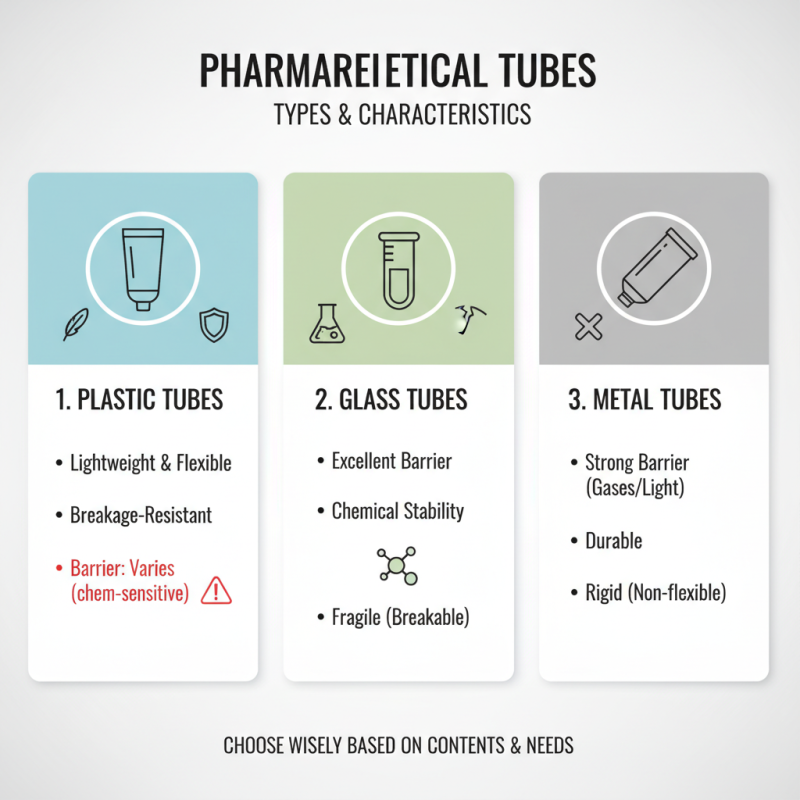
When selecting pharmaceutical tubes, it's crucial to understand the various types available. The most common options include plastic, glass, and metal tubes. Each type has its unique characteristics and advantages. For instance, plastic tubes are lightweight and resistant to breakage. However, they may not provide the best barrier against certain chemicals.
Glass tubes offer excellent chemical resistance but can be fragile. This is a key consideration, especially in high-pressure environments. Metal tubes can withstand extreme temperatures but might react with some substances. It's essential to evaluate your specific needs when considering these materials.
It's important to reflect on factors such as compatibility and durability. In some cases, a pharmaceutical tube may not be ideal for every formulation. Misalignment between the product and the packaging can lead to contamination. Always prioritize reliability and safety throughout the selection process.
Key Factors to Consider When Selecting Pharmaceutical Tubes
Choosing the right pharmaceutical tube is crucial for effective medication delivery. One key factor to consider is the tube's material. Different materials can affect the stability of the medication. For instance, certain plastics may leach chemicals or not withstand certain temperatures. It's essential to understand the compatibility of the tube material with the pharmaceutical product.
Another factor is the tube design. A well-designed tube ensures that the medication is delivered accurately and efficiently. Look for features like seal integrity and ease of use. Sometimes, tubes that seem user-friendly can mislead you. They might not hold up over time, leading to issues with dosing. Evaluating the design's practical application is vital.
Additionally, consider the tube size and volume. It should match the dosage requirements of the medication. A mismatch can lead to waste or inaccuracies in doses. Reflecting on these aspects can reveal hidden challenges. Often, the perfect option might look good on paper but can prove inadequate in real-world situations. Always seek advice from professionals with experience in pharmaceutical packaging. Their insights can guide you in the right direction.
Evaluating Material Compatibility for Pharmaceutical Applications
Choosing the right pharmaceutical tube is crucial for ensuring product integrity and safety. Material compatibility plays a key role in this decision. Using incompatible materials can lead to chemical reactions or contamination, compromising the drug's efficacy. According to a recent report by the International Pharmaceutical Excipients Council, nearly 20% of drug failures can be linked to packaging material interactions.
When evaluating materials, consider factors like chemical resistance, permeability, and stability. Polypropylene is often chosen for its low reactivity and durability. In contrast, PVC may interact with certain active ingredients. Each material has its strengths and weaknesses. Testing under real conditions is essential. Ensuring that materials can withstand a range of temperatures and humidity levels is vital for optimal performance.
Tip: Always conduct compatibility tests during the development phase. Collaborate with material scientists for deeper insights into polymer characteristics. This collaboration can reveal potential compatibility issues early in the process. Remember, what works for one application might not work for another. It's important to remain vigilant and adaptable. Frequent assessments will help identify any emerging challenges.
Assessing the Importance of Barrier Properties in Tube Selection
When selecting pharmaceutical tubes, barrier properties play a crucial role. These tubes must protect sensitive contents from external factors. Factors like light, moisture, and oxygen can degrade medications. A tube that fails in barrier performance risks compromising product efficacy.
Understanding the materials used is essential. Different polymers offer varying levels of protection. For instance, some materials may have excellent moisture resistance but can allow light to penetrate. This can lead to product degradation. It's vital to assess the specific needs of the pharmaceutical product being packaged.
Choosing the right barrier is often challenging. Some tubes may look enticing but lack the necessary protective qualities. Conducting thorough evaluations helps avoid costly mistakes. Consider the product's shelf life and storage conditions. Adequate testing and validation ensure that the selected tube maintains integrity over time.
Regulatory Considerations for Pharmaceutical Tube Packaging Choices
When selecting pharmaceutical tube packaging, regulatory considerations play a crucial role. Compliance with regulations ensures product safety and efficacy. These regulations often vary by region. Familiarity with local guidelines is essential for manufacturers. Each tube design must meet specific criteria, such as material safety and labeling requirements.
Choosing the appropriate materials is fundamental. Some options may not be suitable for certain formulations. For example, some plastics can cause chemical interactions with medications. This can compromise a drug's integrity. Understanding these interactions requires expertise and continuous learning. Regular audits by regulatory bodies add another layer of complexity. Packaging must be regularly reviewed for compliance.
Failure to meet these standards can lead to serious consequences. Manufacturers may face fines or product recalls. A commitment to quality will always stand out in the market. Collaborating with regulatory experts is advisable for optimal selection. This practice helps avoid pitfalls, ensuring the chosen packaging aligns with both safety and functionality.
Essential Tips for Choosing the Right Pharmaceutical Tube
This chart illustrates the key considerations when selecting the right pharmaceutical tube. Material safety and regulatory compliance are the most critical factors, while customization options hold the least importance, reflecting industry needs and priorities.