Top 10 Coated Aluminum Laminate Film Suppliers Worldwide
Coated Aluminum Laminate Film combines a thin aluminum layer with polymer films and functional coatings. This structure can help manage moisture, light, heat, or surface protection, depending on its design. Buyers encounter it in flexible packaging, insulation, and other converted products. The material may look similar across catalogs, yet its performance can differ sharply.
This guide introduces ten suppliers operating across global markets. It offers a starting point, not a universal ranking. A supplier’s suitability depends on the application, required barrier properties, film thickness, coating type, and converting process. Ask for technical data sheets, sample rolls, and test results relevant to your conditions. Check how the supplier handles specifications, quality controls, lead times, and technical questions. Details matter. A film that performs well in a sample may behave differently on a high-speed production line.
Some specifications are easy to compare; others need careful discussion. Adhesion, sealability, and coating uniformity can affect both processing and finished-product reliability. Even a neat datasheet cannot replace a production trial. That is worth remembering. The companies presented here can help readers explore available capabilities, but product fit should be confirmed directly with each supplier. Use the overview to prepare better questions, compare evidence, and identify candidates for further evaluation.
What Coated Aluminum Laminate Film Is and How It Is Used
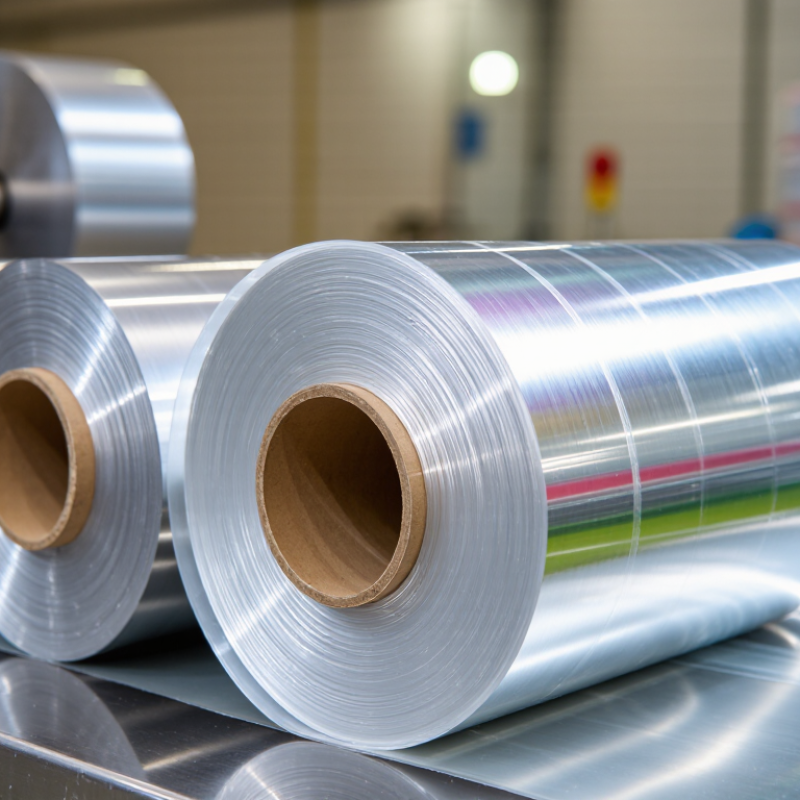
Coated aluminum laminate film combines a thin aluminum layer with polymer films, paper, or both. Some products use real foil; others use aluminum deposited onto plastic. They are not interchangeable. Foil generally offers a stronger barrier, while metallized film can be lighter and more flexible. A coating or adhesive bonds the layers and may add heat-sealing or surface protection.
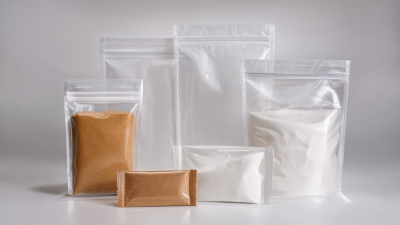
These materials are used in coffee sachets, snack wrappers, and pouches that need protection from light, oxygen, or moisture. That matters. A pouch’s barrier performance depends on the full structure, not just its shiny surface. Creases, pinholes, and weak seals can reduce protection during filling or transport. Not always obvious.
The Flexible Packaging Association’s 2024 State of the Industry report estimated U.S. flexible packaging sales at $42.9 billion in 2023. It also put the format at about 21% of the U.S. packaging market. The figure covers flexible packaging broadly, not aluminum laminates alone. Still, it shows why converters rely on these structures for lightweight, space-efficient packs. A practical trade-off remains: combining foil, plastics, inks, and adhesives can make separation and recycling more difficult. The right construction depends on the product, filling temperature, shelf-life target, and handling conditions.
How to Evaluate Coated Aluminum Laminate Film Suppliers
When evaluating coated aluminum laminate film suppliers, ask for data from the finished laminate, not just the aluminum layer. Request coating-weight tolerances, roll-to-roll thickness records, and batch-specific test results. For packaging, ASTM F88 can assess seal strength, while ASTM F1249 and D3985 measure water-vapor and oxygen transmission. Match the tests to your product and filling conditions. A neat certificate is useful, but it cannot replace a trial run.
Check how suppliers control pinholes, coating adhesion, and edge damage. Ask them to explain what happens when a result falls outside specification. International Aluminium Institute data indicate that recycling aluminum uses about 95% less energy than producing primary aluminum. The institute also reports that nearly 75% of all aluminum ever produced remains in use. These figures support questions about recycled-content traceability, but they do not prove that a multilayer laminate is recyclable. That distinction matters.
Compare suppliers using the same sample size, test methods, and acceptance limits. Record seal performance after heat exposure and handling, not only in ideal laboratory conditions. Request change-control procedures for coating formulas and raw materials. Then test a pilot roll on your own line. Small wrinkles can become costly defects. I would still treat supplier claims cautiously: one successful sample may not represent every production batch.
Leading Coated Aluminum Laminate Film Suppliers Worldwide
Leading coated aluminum laminate film suppliers worldwide serve packaging, insulation, construction, and industrial markets. Their products combine aluminum’s reflective barrier with polymer layers that improve flexibility, sealing, or surface protection. Performance depends on the coating chemistry, foil thickness, adhesive bond, and intended operating conditions.
Reliable suppliers can explain these details clearly. Ask for technical data on thickness tolerance, layer structure, heat resistance, and moisture-barrier performance. Request samples and test them on your own equipment; a film that looks smooth on a roll may wrinkle during lamination or fail at a seal. Good suppliers also provide traceable batch records and consistent quality checks. Small differences matter.
Worldwide sourcing requires more than comparing quoted prices. Check production capacity, lead times, packaging methods, and whether the supplier can support repeat orders across regions. Confirm that test methods and specifications match your application before approving a shipment. A shortlist is never perfect. Some suppliers publish limited technical data, and that should prompt careful questions rather than quick assumptions. Clear communication and verifiable performance are better signs of a dependable partnership than broad claims alone.
How the Top Suppliers Compare in Products and Capabilities
Comparing coated aluminum laminate film suppliers means checking more than finish and price. A useful comparison covers foil thickness, coating chemistry, roll width, bonding strength, barrier performance, and converting options. Ask for test data on oxygen and moisture transmission, plus tolerances across a full production roll. A neat sample is not enough. A pinhole can appear only under backlighting, while uneven coating may cause sealing problems on a fast packaging line.
Capacity and technical support matter too. The International Aluminium Institute’s 2023 statistics report about 70.6 million tonnes of global primary aluminium production, but that figure does not show how much material meets laminate-grade requirements. Supplier evaluations should therefore focus on traceable specifications, batch consistency, available testing, and documented quality controls. One caveat: a wide product catalog does not guarantee dependable delivery or application expertise. Lead times and troubleshooting support deserve equal attention.
Tips: Send the same application brief to every candidate, including target thickness, operating temperature, package structure, and expected order volume. Request recent test results and a pilot roll before committing. Check the film under strong light and test seals on your own equipment. Small details matter. A supplier that explains limits clearly may be a safer fit than one promising every performance target.
Factors to Consider When Choosing a Supplier
Choosing a coated aluminum laminate film supplier requires more than comparing price per roll. Ask for coating-weight tolerances, bond-strength results, barrier data, and inspection records for pinholes. Request samples from several production runs, not just a polished showroom roll. A useful trial checks sealing and flex cracking on your own equipment. Small differences matter. Roll-edge damage can cause waste before the film reaches the packaging line.
Review material traceability and end-of-life claims carefully. European Aluminium’s 2022 packaging data reported a 76.6% aluminium packaging recycling rate in Europe; that figure does not prove every coated laminate is recyclable. The International Aluminium Institute estimates that about 75% of all aluminium ever produced remains in use, underscoring the value of durable material loops. Still, a supplier’s recycled-content certificate is not enough. Ask how layers are separated, what evidence supports the claim, and whether specifications remain consistent across shipments. Check lead times, change-control procedures, and how quickly technical staff respond to a failed test. A low quote can look persuasive. It may hide a narrow tolerance or an untested coating combination. Supplier selection is rarely tidy; pilot runs can reveal problems that paperwork misses.
Top 10 Coated Aluminum Laminate Film Supplier Selection Factors
Suggested evaluation weights for comparing suppliers. These are a practical buyer’s framework, not measured supplier rankings or company-specific data.
Prioritize product performance and consistent quality, then verify compliance, production capability, and delivery reliability. Adjust the weights to match your application and qualification requirements.