Top Coated Aluminum Laminate Film for Global Buyers?
In the ever-evolving world of packaging, the demand for high-quality materials is paramount. **Coated Aluminum Laminate Film** stands out for its impressive properties. This film is lightweight yet durable, making it ideal for various applications. Its resistance to moisture and chemicals further enhances its utility in packaging solutions.
Global buyers face challenges when selecting the right supplier. Many options are available, but not all provide consistent quality. It's crucial to ensure that the film meets international standards and regulations. A trusted manufacturer will have certifications and a solid reputation.
Creativity in design is vital. Coated Aluminum Laminate Film allows for vibrant graphics and branding opportunities. However, buyers must remain vigilant about sourcing. A slip in quality can lead to customer dissatisfaction. Reflecting on past experiences can guide better decisions. The market is competitive, and making informed choices is essential.
Definition and Overview of Coated Aluminum Laminate Film
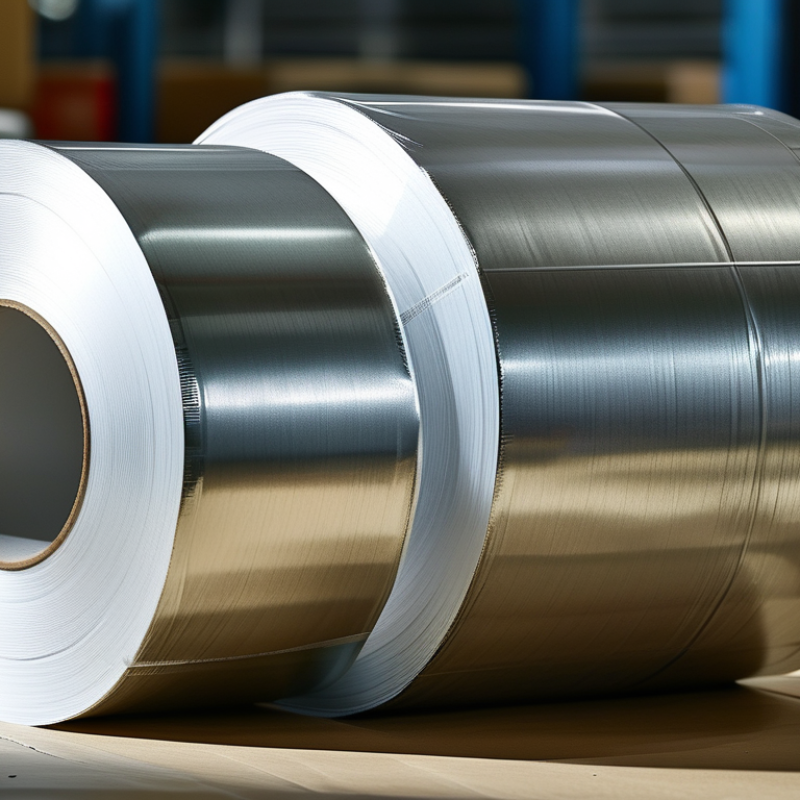
Coated aluminum laminate film is a versatile material widely used in various industries. It combines the durability of aluminum with the benefits of a protective coating, resulting in a lightweight yet sturdy product. This film is favored for packaging, electronics, and construction because it provides excellent barrier properties against moisture, light, and air. According to a recent market analysis by Technavio, the global coated aluminum film market is projected to grow by over 5% annually, indicating a rising demand across sectors.
The production of coated aluminum laminate film involves sophisticated manufacturing processes. These films are developed through advanced coating technologies that ensure consistent quality and performance. The coating not only enhances appearance but also increases resistance to scratching and chemical damage. Industry experts highlight that the adoption of eco-friendly coatings may further propel market growth as sustainability becomes a priority.
Tips: When selecting coated aluminum laminate film, consider the specific application requirements. Pay attention to factors like thickness, surface finish, and coating type. Not all coated films are created equal; testing samples before full-scale implementation is wise. Understanding the choices available will help in making informed decisions, maximizing performance, and minimizing costs.
Key Properties and Advantages of Aluminum Laminate Films
Aluminum laminate films have gained significant popularity in various industries due to their unique properties. These films exhibit excellent barrier protection, making them a preferred choice in food packaging, pharmaceuticals, and electronics. According to a report from Smithers Pira, the global market for aluminum foil packaging is projected to reach $36 billion by 2026, highlighting the rising demand for such materials.
One key advantage of aluminum laminate films is their lightweight nature. This feature not only reduces shipping costs but also enhances efficiency in handling. Additionally, their durability offers superior resistance to moisture, gases, and light. A study from Freedonia Group indicates that aluminum will dominate the packaging market, accounting for nearly 60% of the share by 2025. This showcases the long-standing reliability of aluminum in various applications.
Tips: When selecting aluminum laminate films, consider their thickness and barrier properties carefully. Not all films are equal; some may not meet the specific requirements of your product or application. It’s essential to analyze your needs before making a purchase. Reflect on the sustainability of your materials as well. Aluminum is recyclable, but the effectiveness of its recycling depends on your local facilities.
Global Manufacturing and Leading Suppliers of Aluminum Laminate Film
The global market for aluminum laminate film has been gaining significant momentum. According to recent data, the demand is projected to grow steadily, driven by the packaging industry's expansion. In 2022, the market value exceeded $1 billion. Key drivers include the film's lightweight nature and excellent barrier properties. These features facilitate longer product shelf life and reduced material costs.
Leading manufacturers are focusing on sustainability and innovation. Reports indicate a shift towards eco-friendly materials to meet consumer demands. Approximately 45% of industry players are investing in biodegradable polymers. This trend might seem promising, but it presents challenges. The balance between cost and sustainability is often difficult to achieve. Many companies struggle with sourcing sustainable raw materials that meet performance standards.
The Asian market dominates aluminum laminate film production. Countries like China and India are key contributors. Yet, reliance on specific regions poses risks. Supply chain disruptions could impact availability. Companies should be adaptable to changes in the global landscape. This adaptability is crucial for maintaining competitiveness as the market evolves.
Applications of Coated Aluminum Laminate Film in Different Industries
Coated aluminum laminate films play a vital role across various industries due to their unique properties. In the packaging sector, these films offer an excellent barrier against moisture, oxygen, and light, ensuring product longevity. According to a recent industry report, the global aluminum packaging market is projected to reach $165 billion by 2026, driven by the demand for sustainable packaging solutions. This highlights coated aluminum films' significance in maintaining product integrity and extending shelf life.
In the automotive industry, these films are gaining traction for insulation and aesthetic purposes. Their lightweight nature contributes to fuel efficiency, while their reflective properties help maintain optimal temperatures inside vehicles. Additionally, a study published by the International Council on Clean Transportation notes that lightweight materials could potentially reduce vehicle emissions by 10-15%. This reflects a growing need for advanced materials in manufacturing and design.
While coated aluminum laminate films are promising, challenges remain. The recycling process can be complex due to the combination of materials. Many companies are still exploring effective recycling methods. Industry experts suggest a focus on creating more sustainable options and improving the end-of-life solutions for these products. Engaging in these discussions will shape the future of coated aluminum laminate films in multiple fields.
Future Trends and Innovations in Aluminum Laminate Film Technology
The aluminum laminate film market is evolving rapidly. Innovations are shaping future trends in this technology. Enhanced properties like increased durability and improved aesthetic appeal are significant factors driving demand. Manufacturers are focusing on lightweight materials that maintain high strength. Such advancements open up new applications in various industries, including packaging and construction.
Sustainability is becoming a priority in aluminum laminate film production. Many companies are exploring eco-friendly alternatives. Biodegradable options are being developed to meet consumer expectations. Yet, the transition to sustainable practices poses challenges. Balancing performance with environmental responsibility requires thoughtful approaches. The industry must reflect on its production processes to reduce waste.
Technological advancements are also enhancing functionality. Features such as UV resistance and moisture barriers are gaining attention. These improvements help extend product life and enhance usability. However, not all innovations yield the desired results. The quest for perfection often uncovers issues, prompting ongoing evaluations. This iterative process is vital for achieving optimal results in aluminum laminate film technology.