Top 5 Zipper Pouch Types for Global Buyers How to Choose?
When it comes to packaging solutions, the Zipper Pouch stands out for its versatility and practicality. Many global buyers are drawn to these pouches for their ability to securely store and display a variety of products. A good Zipper Pouch can elevate a product’s appeal, while also providing essential protection. However, choosing the right type can be challenging. The market offers a vast array of options, each tailored to different needs and preferences.
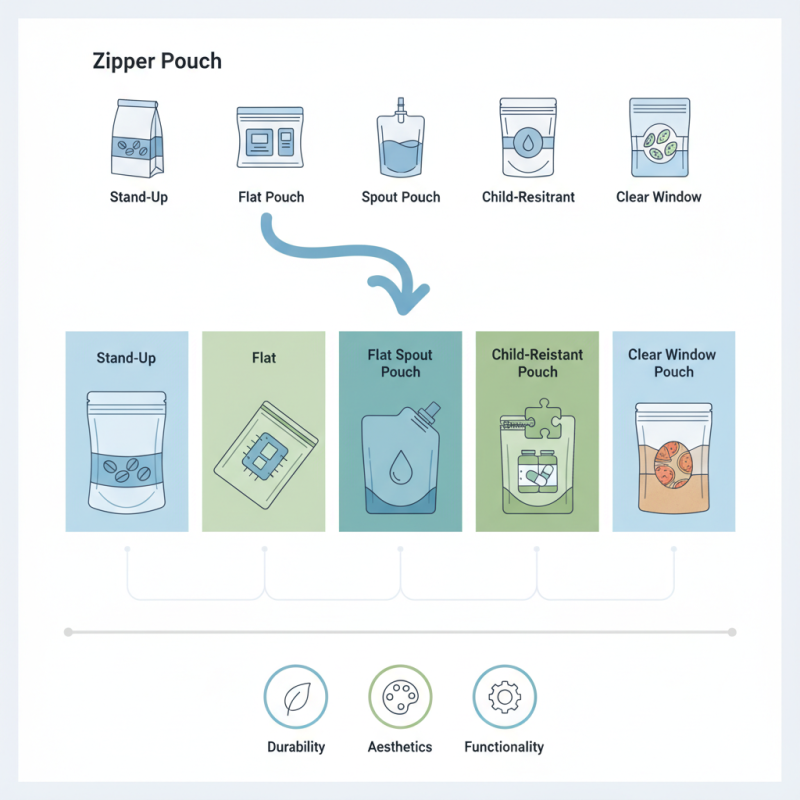
Understanding the specific requirements of your products is crucial. Do you need a stand-up pouch for retail display? Or a flat pouch for easy storage? The decisions you make can significantly impact your product's success. This guide explores the top five Zipper Pouch types that cater to diverse markets. We will examine various materials, sizes, and closure mechanisms.
Each option has its unique features, benefits, and potential drawbacks. As a global buyer, weighing these details can be daunting. It’s important to reflect on the specific use cases for your products. Think about durability, aesthetics, and functionality. This critical assessment will help you make an informed choice.
Top 5 Zipper Pouch Types: An Overview of Global Market Trends
The global market for zipper pouches is evolving rapidly. According to recent industry reports, the demand for eco-friendly pouches has surged, with a projected growth of 7% annually. Consumers are increasingly prioritizing sustainable materials. This shift reflects a broader trend towards environmental consciousness. Manufacturers are responding by implementing greener production processes.
Apart from sustainability, customization is a key market trend. Buyers prefer zipper pouches that can be tailored to their specific needs. In fact, customized products contributed to 30% of sales in the last year. This trend reveals a desire for personalization, even in everyday items. However, not all manufacturers excel in this area, and quality can be inconsistent.
Lastly, emerging markets are becoming significant players. Regions in Asia and Africa show a rise in demand. Businesses looking to enter these markets must navigate challenges, such as varying consumer preferences and competitive pricing. A comprehensive understanding of local trends is essential for success. While opportunities abound, potential pitfalls remain, necessitating careful research and adaptation.
Top 5 Zipper Pouch Types for Global Buyers How to Choose?
| Zipper Pouch Type |
Material |
Common Uses |
Market Trend |
Average Price (USD) |
| Stand-Up Zipper Pouches |
Plastic (PET, PE) |
Food packaging, cosmetics |
Growing demand in food industry |
0.50 - 1.50 |
| Flat Zipper Pouches |
Kraft paper, plastic |
Retail products, snacks |
Stable growth with eco-friendly trends |
0.20 - 1.00 |
| Child-Resistant Zipper Pouches |
Plastic (mylar) |
Medicinal products, cannabis |
Increasing regulatory requirements |
0.70 - 2.00 |
| Stand-Up Zipper Bags with Window |
Plastic (laminated) |
Snacks, pet food |
Rising in visual appeal preference |
0.80 - 1.80 |
| Custom Zipper Pouches |
Varied (paper, plastic) |
Promotional items, unique products |
High demand for personalization |
1.00 - 3.00 |
Material Composition Analysis: The Impact on Zipper Pouch Durability
When selecting zipper pouches, material composition plays a crucial role in durability. Different materials provide varied levels of resistance to wear and tear. Common choices include nylon, polyester, and vinyl. Each material has its benefits and drawbacks. Nylon is lightweight yet robust, but it might not resist moisture well. Polyester, on the other hand, offers greater durability and can withstand higher temperatures, although it can be less flexible.
Vinyl pouches are popular for their waterproof properties. They are ideal for storing items that need protection from liquids. However, over time, vinyl can become brittle. This brittleness can lead to cracks, making the pouch less reliable. Buyers should consider how the pouch will be used. Will it be exposed to harsh environments? Understanding these factors is essential for making an informed choice.
Sustainability is an important consideration as well. Some materials are more eco-friendly than others. The environmental impact of production should not be overlooked. Choosing a durable pouch made from sustainable materials can reduce waste. Reflecting on these aspects may help you decide which zipper pouch best fits your needs.
Top 5 Zipper Pouch Types Material Composition Analysis
Consumer Preferences: Eco-friendly vs. Traditional Zipper Pouches
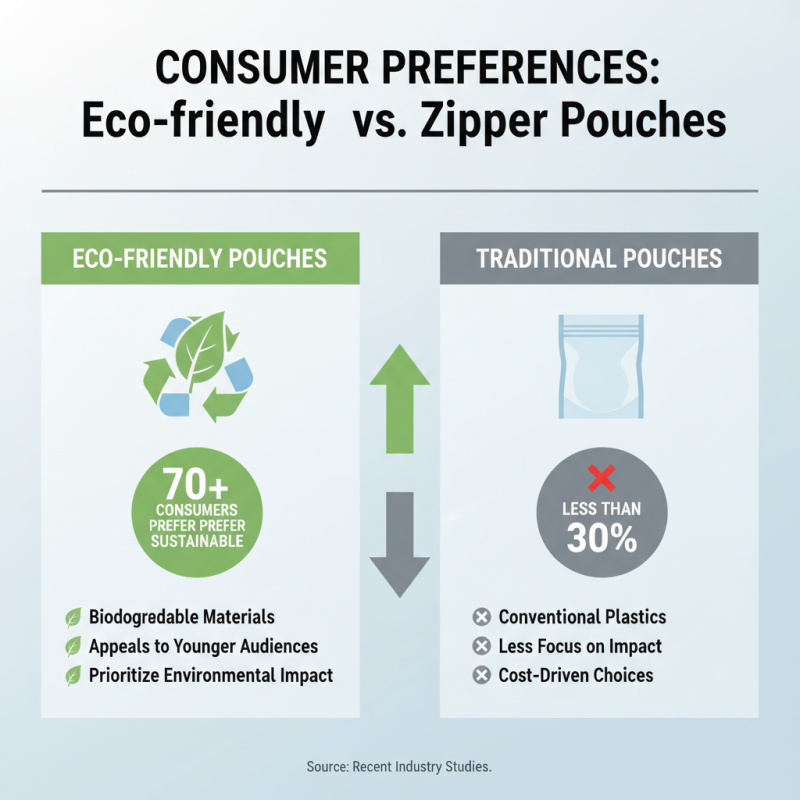
The choice between eco-friendly and traditional zipper pouches reflects evolving consumer preferences. Recent industry studies indicate that over 70% of consumers prefer sustainable packaging options. Eco-friendly zipper pouches, often made from biodegradable materials, are gaining traction. They appeal especially to younger audiences, who prioritize environmental impact in their purchasing decisions.
In contrast, traditional zipper pouches, often made from plastic, are still widely used. A report shows that approximately 60% of buyers appreciate their durability and functionality. However, the lingering concern about plastic waste raises critical questions. Are the benefits of convenience worth the environmental cost? This dilemma invites reflection on individual choices and market trends.
The landscape is shifting as manufacturers explore innovative materials. The rise of recycled plastics promises eco-friendliness without sacrificing quality. Still, hesitations remain about the performance and longevity of these alternatives. Consumers are caught between the desire for functionality and the necessity of sustainability. Balancing these competing aspects is crucial for informed choices.
Market Data: Regional Demands for Zipper Pouch Variations (2023)
In 2023, the demand for zipper pouches varies significantly by region. North America prioritizes versatile designs. Buyers prefer pouches that can accommodate different products. Functionality and aesthetic appeal are key. Custom sizes attract attention, allowing brands to showcase their uniqueness.
In Europe, eco-friendly materials are a growing trend. Sustainability is not just a buzzword; it’s a necessity for many consumers. Brands exploring biodegradable options see increased interest. However, balancing sustainability with durability remains a challenge. Some manufacturers struggle to maintain quality while using green materials.
Asia shows a focus on vibrant colors and innovative features. The market enjoys creative designs and multifunctional uses. Yet, localization plays a crucial role. Not every style translates well across cultures. Businesses must adapt to local preferences while keeping their designs fresh and modern.
Key Selection Criteria: Cost, Functionality, and Aesthetic Appeal
When choosing the right zipper pouch, key factors include cost, functionality, and aesthetic appeal. The right pouch can enhance organization and style. Consider what you need it for. Is it for travel, stationary, or cosmetics? Each use calls for different features.
Cost is a major factor. While cheaper options may seem appealing, they often lack durability. You might end up purchasing replacements soon after. Investing in a well-made pouch can save money in the long run. Assess your budget but remember, quality matters.
Functionality should match your lifestyle. Pouches with multiple compartments may suit travelers or students. A simple design is enough for everyday use. But always check the zipper quality—it impacts ease of use.
Aesthetic appeal is about personal taste. Choose colors and patterns that resonate with you. Sometimes, a quirky design can bring joy. However, reflect on whether a trendy design will remain appealing to you over time.
Tips: Think about the materials used. Some fabrics are more stain-resistant than others. Assess how you'll maintain the pouch, too. A washable fabric may save you hassle. Always prioritize what fits best in your life.