What Are the Benefits of Holographic Coated Aluminum Laminate?
Holographic Coated Aluminum Laminate is revolutionizing multiple industries. Its striking visual appeal merges functionality with innovation. Many businesses overlook the power of visual presentation. Yet, effective packaging can elevate a product's market presence significantly.
The benefits of Holographic Coated Aluminum Laminate extend beyond aesthetics. This material not only catches the eye but also offers durability and versatility. It resists moisture and environmental damage, which enhances its longevity. In sectors like food packaging and electronics, these traits are invaluable. However, understanding its limitations remains crucial.
While this laminate impresses with its design, the production process can be resource-intensive. Manufacturers must balance aesthetic quality with environmental considerations. It's essential to reflect on the broader impact of using such materials. Thus, adopting Holographic Coated Aluminum Laminate requires careful evaluation to harness its full potential.
Benefits of Holographic Coated Aluminum Laminate in Packaging
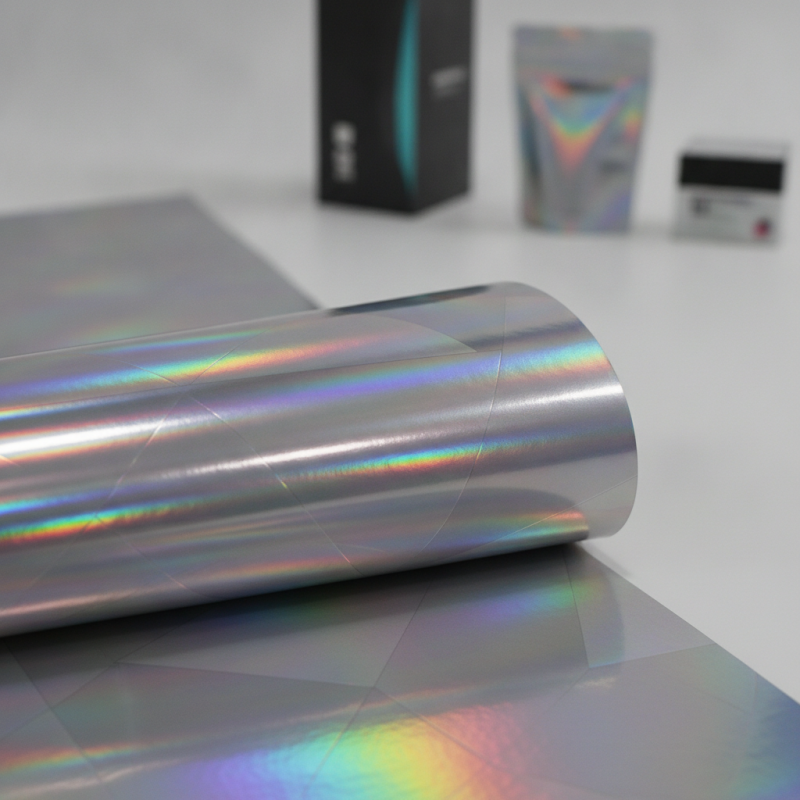
Holographic coated aluminum laminate brings a host of benefits to packaging. This innovative material enhances visual appeal with its striking holographic effects. It captures attention, making products stand out on crowded shelves. High-quality designs attract consumers, leading to higher sales potential in competitive markets.
One advantage is its durability. This laminate protects contents from moisture, light, and air, extending product shelf life. Efficient packaging like this ensures products remain fresh and appealing. However, brands should consider the environmental impact. Sustainable options are essential to reduce waste in the packaging industry.
Tips: Always assess your target audience. Understand what visual elements resonate with them. This can guide design choices. Also, test the laminate’s performance through real-world applications. Gather feedback to identify areas for improvement. Packaging is not just about aesthetics; it needs to serve a purpose. Balancing these elements can be tricky, but it's crucial for success in the market.
Enhanced Aesthetic Appeal of Holographic Coating
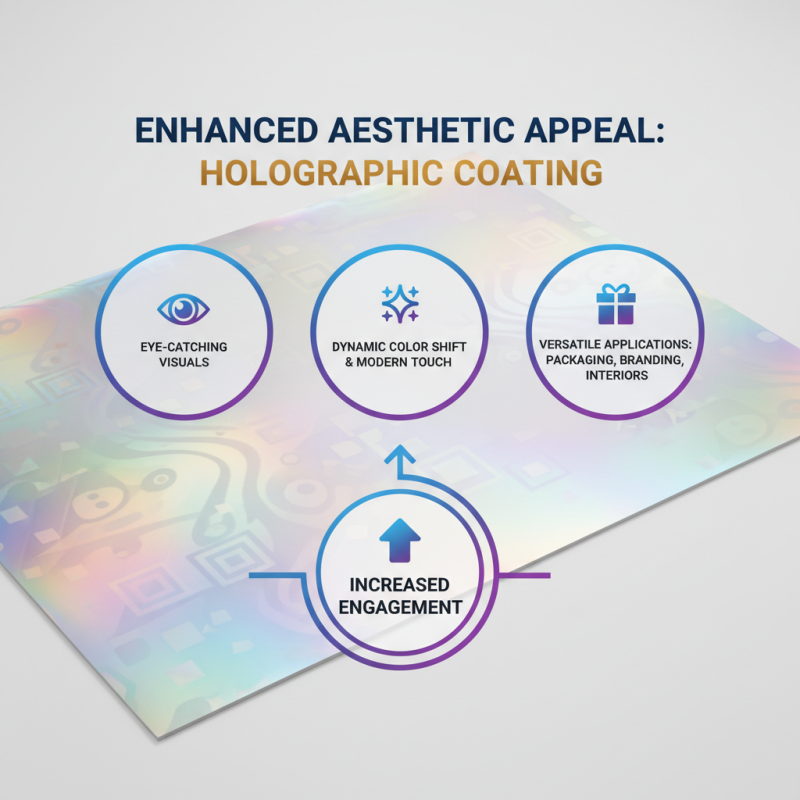
Holographic coating on aluminum laminate brings a unique charm to various products. This finish creates eye-catching visuals and adds a modern touch. The shimmering colors shift with light, enhancing the aesthetic appeal. Such dynamic visuals attract attention, making any design more engaging. This effect is particularly effective in packaging, branding, and interior decor.
When integrating holographic elements, keep the overall design in mind. Balance the bright patterns with simpler elements. A less cluttered design ensures the holographic effect stands out rather than overwhelms. Mixing textures can also enhance the visual experience. Experimenting with these aspects may yield surprising results.
Tip: Consider how light interacts with your design. Different lighting can change the holographic effect. Test various lighting conditions during the planning stage. Also, keep the target audience in mind. Engage them through visually appealing designs. Their preferences should guide your aesthetic choices. Reflect on the emotional responses your design evokes. Strive for a connection, not just a visual spectacle.
Improved Durability and Protection of Holographic Aluminum Laminate
Holographic coated aluminum laminate offers enhanced durability and protection for a variety of applications. The unique coating not only adds a striking visual effect but also increases resilience. This laminate can withstand harsh environmental conditions, making it ideal for outdoor uses. The surface is resistant to scratching and fading, prolonging its aesthetic appeal.
In addition to its visual charm, the improved durability means less frequent maintenance. Manufacturers can rely on it longer than traditional materials. This reduces costs over time. However, it’s essential to remember that not all holographic coatings are made equal. Some may not perform as expected under specific conditions. Careful selection is crucial to ensure optimal performance for the intended use.
While the benefits are substantial, there are challenges to consider. The production process for high-quality holographic coatings can be complex. This complexity might affect supply chains and availability. It’s a balancing act between visual impact and practical performance. Understanding these nuances can lead to better decisions in material selection. Ultimately, choosing the right holographic coated aluminum laminate requires informed deliberation.
Applications of Holographic Coated Aluminum in Various Industries
Holographic coated aluminum laminate has gained traction across various industries for its unique properties. In the packaging sector, it enhances product appeal through striking visuals. Consumers are drawn to its eye-catching nature. This laminate also offers durable protection, making it ideal for foods and cosmetics. The holographic layer improves brand recognition and reduces the risk of counterfeiting.
In the automotive industry, holographic coated aluminum is used to create artistic designs. The reflective quality adds an innovative touch to vehicle interiors and exteriors. Manufacturers appreciate its lightweight nature, enhancing fuel efficiency. However, the cost of production can be higher than conventional materials. Balancing quality and cost can be tricky for businesses.
**Tips:** When considering using holographic coatings, ensure that your designs are well thought out. Simplicity sometimes speaks louder than complex patterns. Test your materials in real-world scenarios to understand their performance. Always evaluate the long-term benefits versus initial costs.
Sustainability Aspects of Holographic Coated Aluminum Laminate
Holographic coated aluminum laminate is gaining attention for its environmental benefits. This innovative material combines aesthetics with functionality. It is light, durable, and visually striking. Sustainability is a crucial aspect of its appeal. The production process aims to reduce waste and energy use. Manufacturers are focusing on eco-friendly techniques.
The use of holographic coatings is a step towards better resource management. These coatings can replace heavier materials, leading to less energy consumption in transportation. Moreover, aluminum is recyclable. This means that products made from it can be reused, creating a circular economy around such materials. However, some challenges remain. The recycling process for coated materials can be complex and not always efficient.
Consumers are increasingly seeking sustainable options. Holographic coated aluminum laminate answers this demand. It offers a unique visual quality while addressing environmental concerns. Still, there is a need for more research on the lifecycle impact. Understanding the full environmental cost is essential for future advancements.