Why Choose Stand-Up Pouch for Your Packaging Needs?
In today's competitive market, the demand for innovative packaging solutions is at an all-time high. Among various options, the Stand-Up Pouch has gained significant attention for its versatility and effectiveness. According to a recent report by Smithers Pira, the global stand-up pouch market is expected to reach $7.3 billion by 2027, driven by its convenience and aesthetic appeal.
Industry expert Dr. Jane Thompson emphasizes the importance of this packaging style, stating, "Stand-Up Pouches not only enhance product visibility but also improve shelf life." This reflects the growing recognition of stand-up pouches as optimal choices in sectors such as food and personal care. Their ability to stand upright makes them a practical option for consumers, maximizing shelf space and product accessibility.
However, there are challenges. The reliance on plastic materials raises environmental concerns. Manufacturers need to address these issues to align with sustainability trends. The circular economy is pushing for more recyclable materials in pouches. A move toward eco-friendly options could significantly alter production methods. Hence, as businesses consider the Stand-Up Pouch, they must also reckon with the evolving sustainability landscape.
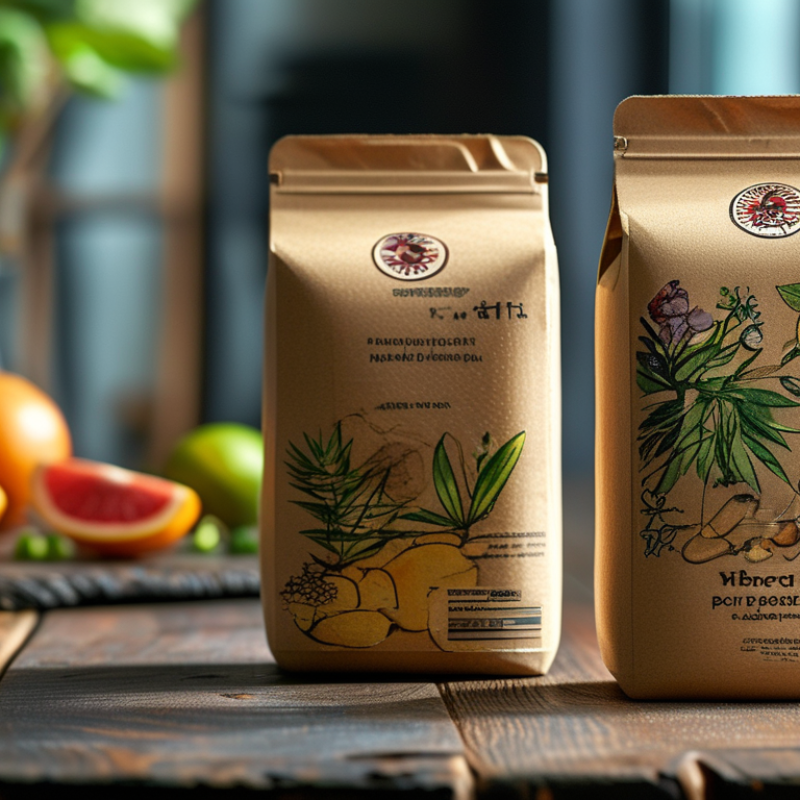
Benefits of Stand-Up Pouch in Modern Packaging Solutions
Stand-up pouches have gained significant traction in the packaging industry due to their unique design and functional benefits. According to a recent market report by Smithers Pira, the stand-up pouch market is expected to grow at a CAGR of 6.5% from 2021 to 2026. This growth reflects a shift towards sustainable and user-friendly packaging solutions that attract consumers and reduce waste.
One of the key benefits of stand-up pouches is their space efficiency. They take up less shelf space compared to traditional containers, enhancing product visibility. In 2022, a survey indicated that 75% of consumers prefer packaging that is easy to store. Additionally, stand-up pouches are lightweight, which helps reduce transportation costs. The flexible material can also be laminated for better barrier properties, preserving product freshness for a longer time.
Moreover, the customization options for stand-up pouches are impressive. They can be printed with vibrant graphics and branding that catch the eye. However, some manufacturers face challenges in recycling these materials. While many pouches are recyclable, awareness and infrastructure are still evolving. Balancing creativity and sustainability remains a critical focus for the industry. Addressing these issues could enhance the market's appeal and support sustainable practices.
Market Growth Trends for Stand-Up Pouch Adoption in Various Industries
The stand-up pouch has gained significant traction across various industries. This shift is largely due to its practicality and versatility. Many companies prefer these pouches for food, cosmetics, and household products. The ability to stand upright offers convenience in both storage and display. This feature enhances shelf presence, making it a popular choice among retailers.
Market research indicates a steady growth rate for stand-up pouch adoption. Forecasts suggest that this growth will persist in the food and beverage industry, where freshness is crucial. Brands are increasingly recognizing the advantages of using these pouches. They offer enhanced barrier protection and are often more sustainable than traditional packaging. However, not every company has adopted this technology. Some remain hesitant due to initial costs or lack of knowledge about the benefits.
Consumer preferences are changing, and they demand more from packaging. They seek materials that are eco-friendly and visually appealing. Stand-up pouches can meet these expectations effectively. Yet, companies need to ensure proper testing and quality control during production. Balancing innovation with practicality is key. This challenge must be addressed to fully leverage the potential of stand-up pouches in the market.
Sustainability Impact: Eco-Friendly Aspects of Stand-Up Pouches
Stand-up pouches are gaining popularity not just for their convenience but also for their eco-friendly attributes. Designed with sustainability in mind, these pouches often use less material than traditional packaging options. This reduction in material contributes to less waste in landfills and better resource utilization. Many manufacturers utilize recyclable materials, allowing consumers to contribute to a circular economy.
However, the reality of eco-friendliness can be complex. Not all stand-up pouches are created equal. Some may still contain additives or films that complicate recycling. This inconsistency can be disheartening for consumers hoping to make environmentally sound choices. Additionally, the production process for some pouches can be energy-intensive, which raises questions about their overall eco-footprint.
Educating oneself about the specific materials and certifications is crucial. Scrutinizing details like the recycling symbol or compostability claims can lead to better decisions. While stand-up pouches offer notable sustainability benefits, consumers need to stay informed. Striving for better practices in packaging is a journey. It requires continuous reflection and commitment to improve both personal choices and industry standards.
Cost Efficiency: Analyzing the Economic Advantages of Stand-Up Pouches
When considering packaging options, stand-up pouches offer notable economic benefits. According to a Smithers report, the flexible packaging market is projected to grow by 4.2% annually. This growth is largely driven by cost-effective solutions. Stand-up pouches require less material compared to rigid containers. This reduces raw material costs significantly. For example, using less plastic translates to lower expenditure for manufacturers.
Additionally, the lightweight nature of pouches leads to decreased shipping costs. Transporting lighter packages means more product per shipment. A study by Packaging Strategies revealed that companies can save up to 15% on logistics expenses by switching to pouches. Retailers also appreciate the reduced shelf space occupancy. This results in better inventory management and lower storage costs. Despite these advantages, some companies hesitate. The transition to a new packaging format can be challenging. They must consider consumer acceptance and branding implications. However, the long-term savings often outweigh these concerns.
Why Choose Stand-Up Pouch for Your Packaging Needs?
Cost Efficiency: Analyzing the Economic Advantages of Stand-Up Pouches
Consumer Preferences: Why Shoppers Favor Stand-Up Pouches Over Others
Shoppers show a clear preference for stand-up pouches in their packaging choices. These pouches are not just attractive; they offer unparalleled convenience. Their shape makes them easy to store, maximizing shelf space. Many consumers appreciate the ability to reseal the pouch, helping maintain freshness. The tactile experience of a stand-up pouch often feels more premium than traditional bags or boxes.
Another factor influencing consumer preferences is the environmental impact. Many stand-up pouches use less material than rigid containers, which appeals to eco-conscious shoppers. They are often lighter, reducing transportation emissions. However, some consumers express concerns about recycling. Not all stand-up pouches are recyclable, which can leave shoppers reflecting on their choices.
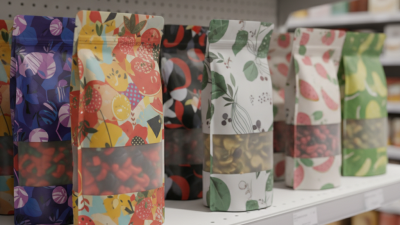
Visual appeal also plays a significant role. Bright colors and unique designs on stand-up pouches can attract attention in crowded store aisles. Shoppers might find themselves drawn to products that stand out visually. Yet, while aesthetics are important, some prioritize functionality over looks. They may prefer simpler designs if they believe it enhances usability. This balance of factors shapes consumer preferences significantly in today's market.
Why Choose Stand-Up Pouch for Your Packaging Needs?
| Feature |
Consumer Preference (%) |
Reason |
| Ease of Use |
75% |
Resealable feature for convenience |
| Sustainability |
68% |
Perceived as eco-friendly packaging |
| Visibility |
70% |
Transparent design showcases product |
| Portability |
65% |
Lightweight and easy to carry |
| Cost-Effectiveness |
62% |
Lower production costs compared to rigid containers |