Leave Your Message

How to Choose PCR Laminate Film for Packaging?

Choosing Pcr Laminate Film is not just a matter of selecting a recycled-content percentage. The film must protect the product, run reliably on packaging equipment, and suit the package’s end-of-life pathway. A pouch holding oily snacks may need stronger aroma and moisture barriers than an outer wrap for dry goods. Seal strength matters, too. A film that looks right on a sample roll can still wrinkle, split, or seal unevenly at production speed.

Ellen MacArthur’s circular-economy work offers a useful design principle: “keep products and materials in use.” That principle is relevant here, but it does not make every recycled laminate easy to recycle. Layer combinations, inks, adhesives, and barrier coatings can complicate recovery. Ask suppliers for documentation on recycled-content claims, food-contact suitability where relevant, and performance under your actual filling and sealing conditions. Test trial rolls with the real product. Check seals, stiffness, print quality, and barrier performance—not just appearance. Small details matter.

There is no universal best film. A higher recycled-content target may affect clarity, consistency, or processing, depending on the material and structure. Be cautious with broad claims. Request test data, confirm specifications, and discuss realistic trade-offs with your converter. Even then, one question may remain: will the chosen structure work in the collection and recycling systems available to your customers? That uncertainty deserves an honest answer before you commit.
How to Choose PCR Laminate Film for Packaging?

Understanding PCR Laminate Film and Its Material Structure

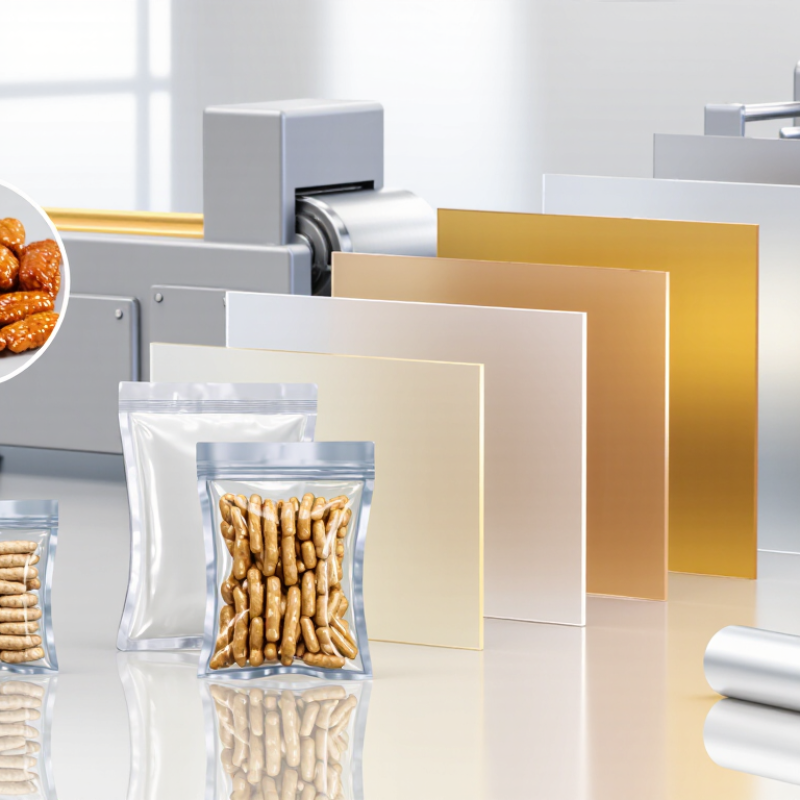
PCR laminate film combines recycled plastic from used consumer packaging with other layers to create a flexible package. Its structure is usually designed layer by layer. A recycled resin may sit in the middle, while outer layers support printing and handling, and the inner layer provides sealing. The exact arrangement depends on the product and filling process. That detail matters.

Each layer has a job. A printed outer layer can protect graphics from rubbing, while a barrier layer may help limit moisture or oxygen transfer. The sealant layer must close reliably at the machine’s operating temperature. PCR resin can vary in color, odor, and processing behavior, so converters often assess it within the full laminate rather than on its own. A design that works on paper may need adjustments on a real packing line.

Tips: Ask suppliers to state the PCR percentage and clarify whether it refers to the whole laminate or one layer. Request samples, then check seal strength, barrier performance, appearance, and machine runnability with your actual product. Small differences show. There is no perfect recipe; performance depends on the film, equipment, and application.

Defining Packaging Needs and Performance Requirements

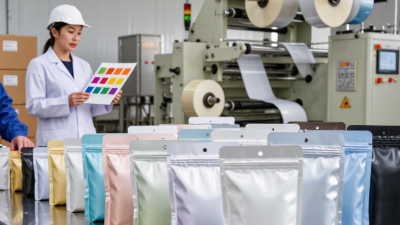
Define the package’s actual job before selecting PCR laminate film. Will it hold dry snacks, frozen food, or a moisture-sensitive powder? Specify shelf life, oxygen and moisture limits, seal strength, puncture resistance, and the filling-line temperature range. If appearance matters, note acceptable color variation and print consistency. Small details matter.

The OECD’s 2022 Global Plastics Outlook reports that only 9% of plastic waste was ultimately recycled worldwide in 2019. That context makes recycled-content targets important, but a target alone is not a performance specification. Set a minimum PCR percentage and identify required evidence for resin origin, traceability, and any applicable food-contact suitability. Ask for test results on the finished laminate, not just the recycled resin. Properties can shift between batches.

Then assess the complete structure: layer composition, thickness, barrier performance, seal window, and compatibility with existing equipment. Request oxygen- and water-vapor-transmission data under stated test conditions; numbers without conditions are hard to compare. Run trial rolls at production speed and inspect seals, wrinkles, and web tension. Test it. A laboratory sample may look excellent, yet perform poorly on a fast line. That gap is easy to underestimate, and it deserves a real trial.

Evaluating Recycled Content, Barrier Properties, and Durability

PCR laminate film should be assessed by its verified recycled content, not a headline percentage alone. Ask for documentation showing how the content is measured and whether it stays consistent between batches. Recycled feedstock can vary in color, odor, and processing behavior. Small differences may affect print appearance or sealing. That matters.

Check how the film runs on your packaging line. A material that looks suitable on a sample roll may behave differently at production speed. Confirm that its layers, inks, and adhesives work together.

If recycled content is important to your goals, define the required level early and discuss realistic tolerances with the supplier. Higher PCR content does not automatically mean a better package. I would treat that as a question to test, not an assumption.

Barrier performance should match the product’s sensitivity to oxygen, moisture, or light. Request test data, then compare it with your storage and distribution conditions. A dry snack and a moisture-sensitive product need different protection.

Durability matters too. Check seal strength, puncture resistance, and performance after bending or transport. Lab results are useful, but they may miss issues on a fast line. Run a pilot with filled packs and inspect for leaks, wrinkles, and weak seals. It takes extra time. It can prevent a costly mismatch.

Checking Film Compatibility with Packaging Equipment and Products

Choosing PCR laminate film starts with the packaging line it must run on, not just its recycled content. Check the film’s thickness, stiffness, and friction against the machine’s rollers and forming parts. If the web slips, wrinkles, or tracks unevenly, seals may shift and output can suffer. Small differences matter. Confirm the recommended sealing temperature, pressure, and dwell time, then trial the material at realistic line speeds. A film that seals well in a lab may behave differently on a warm, fast-moving line.

The product matters just as much. Oils, moisture, sharp edges, or acidic ingredients can affect the inner layer and package performance. Match the laminate’s contact layer and barrier properties to the product’s needs, and check that seals hold after filling and handling. Test the actual product, not only a convenient substitute. Include samples from more than one PCR film batch when possible, since recycled feedstock can vary. That extra step takes time, and it is easy to skip when schedules are tight. Still, recording seal strength, leaks, and machine settings gives teams useful evidence for comparing options and adjusting the process.

How to Choose PCR Laminate Film for Packaging? — Checking Film Compatibility with Packaging Equipment and Products
Product and package format Example laminate approach Key product requirements Equipment compatibility checks PCR placement and cautions
Dry snacks and biscuits
Flow-wrap or pillow pouch
Printed PET / PE sealant, or a suitable oriented-polypropylene / CPP structure Moisture protection, reliable seals, and sufficient stiffness for handling. Light-sensitive products may also need light protection. Check web tracking, forming-collar performance, coefficient of friction, seal-jaw temperature and dwell time. Confirm seals remain consistent at the intended line speed. PCR may be considered in an appropriate non-food-contact layer. Confirm layer construction and applicable food-contact rules; recycled content can affect appearance and film consistency.
Powders and dry mixes
VFFS pouch or sachet
PET / PE for general protection; add a barrier layer when product sensitivity requires it Moisture and aroma protection, plus seals that tolerate occasional powder contamination in the seal area. Run trials with the actual powder and dosing system. Check seal integrity, film draw, registration, and the machine’s forming and sealing ranges. PCR content should not compromise the sealant’s cleanliness or seal performance. For food packaging, verify that the intended recycled layer and structure meet local regulations.
Oils, sauces, and other liquid foods
Stand-up pouch or sachet
Barrier laminate with a compatible PE or other specified sealant layer Liquid-tight seals, product compatibility, and resistance to the product’s oils, acidity, or other ingredients. Barrier needs depend on the recipe and shelf life. Test the finished pack for leakage and seal strength, including after filling. Check fit with pouch-making, filling, and sealing equipment. Keep the product-contact layer appropriate for its intended use. Do not assume PCR film is suitable for direct contact; require relevant compliance documentation.
Frozen foods
Form-fill-seal pouch
Flexible laminate with a sealant selected for low-temperature handling and the required barrier Seal integrity and toughness during freezing, transport, and handling. Consider puncture risk from sharp or irregular contents. Evaluate film feeding and sealing on the actual machine. Test filled packs after freezing and handling; cold conditions can expose weaknesses not seen in room-temperature tests. Confirm PCR-layer properties are consistent with required impact and seal performance. Validate the complete laminate, rather than relying on resin data alone.
Personal-care or household liquids
Refill pouch
Barrier laminate selected for the formulation, pouch design, and fitment or spout Chemical compatibility, leak resistance, and durability around corners, seals, and fitments. Check pouch-converting and fitment-sealing conditions. Conduct filled-pack compatibility and leakage tests over the intended storage period. PCR use depends on product-contact requirements and chemical compatibility. Verify odor, migration, and appearance requirements with the supplier and relevant regulations.
Vacuum-packed or oxygen-sensitive products
HFFS pouch or vacuum bag
High-barrier laminate, potentially including a barrier layer such as EVOH or a suitable metallized layer Low oxygen transmission, dependable vacuum retention, and seals that withstand evacuation and distribution. Check vacuum-cycle performance, seal contamination tolerance, and package integrity after distribution simulation. Confirm the film runs on the existing vacuum and sealing system. Assess the whole laminate’s barrier performance; PCR content alone does not establish oxygen-barrier suitability. Confirm barrier values for the finished structure and conditions of use.

Selection note: Laminate examples are illustrative, not universal specifications. Actual compatibility depends on film gauge, layer construction, product formulation, package design, and equipment settings. Confirm supplier specifications and validate with production trials, seal testing, and applicable regulatory review.

Verifying Quality, Safety, and Supplier Documentation

PCR laminate film should be checked as a complete structure, not judged by recycled content alone. Ask for the film’s layer composition, gauge tolerance, recycled-content statement, and batch-specific certificate of analysis. Match these details against your packaging specification. A sample roll may look clean, yet still vary in sealing behavior or stiffness.

Check test evidence for seal strength, tensile performance, barrier properties, and odor where these affect the product. For food or other sensitive applications, request suitable migration or safety documentation for the intended use and market. Recycled material does not automatically mean suitable material. Keep records together. Batch numbers should link the test results, production date, and shipment. Small detail, big difference.

Supplier documents are useful only when they are current and specific. Confirm who issued each report, which film structure it covers, and whether any material changes require notification. Then run a line trial using your actual sealing temperature, speed, and product. A lab result cannot fully predict a busy packaging line. That part is easy to overlook. If records are incomplete, pause and request clarification rather than filling gaps with assumptions. Even good suppliers can provide paperwork that misses a detail, so review it carefully.

How to Choose PCR Laminate Film for Packaging?

Verify quality, safety, and supplier documentation before approving a material.

Example checklist scores show the share of requested evidence received and reviewed. Confirm PCR traceability, a lot-specific certificate of analysis, applicable food-contact declarations and migration reports, and documented change control. Scores are illustrative—not industry benchmarks or results from a real supplier. Set acceptance criteria for the intended product and market.