How to Choose the Best Coated Aluminum Laminate Film?
Choosing the right Coated Aluminum Laminate Film requires more than comparing prices or surface gloss. The best option depends on its intended use, bonding method, environment, and expected service life. A film used for insulation panels may need different properties from one applied to packaging or decorative surfaces. Details matter.
Start by checking the aluminum alloy, coating chemistry, thickness, and laminate structure. These factors influence flexibility, barrier performance, adhesion, and resistance to moisture. Ask for technical data sheets, coating specifications, and test reports from the supplier. Reliable documentation reveals more than attractive product photographs. However, published figures can vary between laboratories, so request samples for practical evaluation.
Examine each sample under realistic conditions. Bend it around the smallest expected radius. Press the adhesive against the actual substrate. Expose test pieces to heat, humidity, cleaning agents, and repeated handling. Look for blistering, edge lifting, discoloration, cracking, or uneven coating. Small defects often become expensive failures. That assumption fails.
Supplier experience also deserves careful attention. A knowledgeable manufacturer should explain production tolerances, quality controls, and suitable processing temperatures. They should not promise universal performance without understanding your application. Confirm batch consistency, minimum order quantities, lead times, and after-sales support. These operational details can affect your project as much as material performance.
There is no single best film for every application. The correct choice balances performance, appearance, processing requirements, compliance, and total cost. Review the evidence with your engineering or quality team before approval. A careful decision may take longer, but it reduces replacement risk and supports dependable long-term results.
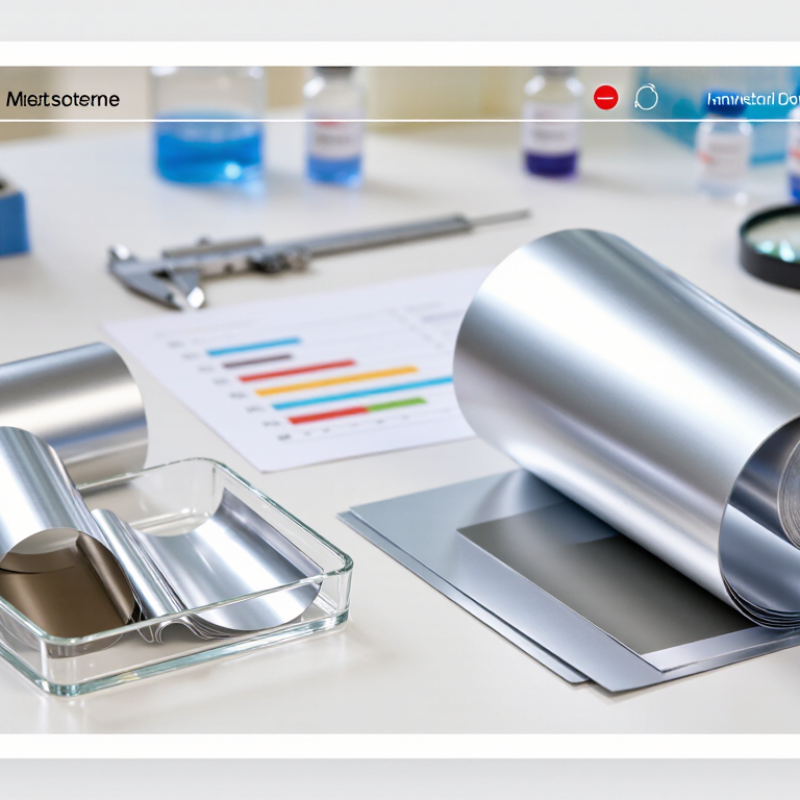
What Is Coated Aluminum Laminate Film?
How to Choose the Best Coated Aluminum Laminate Film?
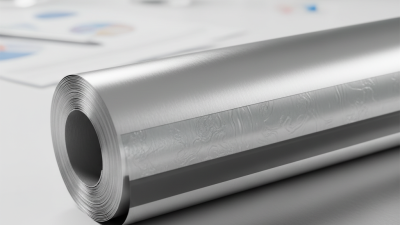
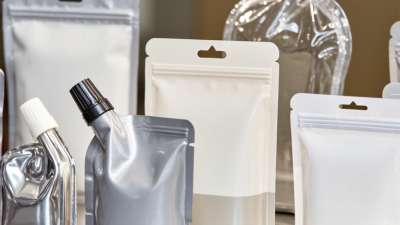
Coated aluminum laminate film is a multilayer material, not a single sheet. It usually combines aluminum foil, polymer film, adhesive, and a protective coating. The aluminum layer blocks light, oxygen, moisture, and odors. The polymer layer adds flexibility, printability, and sealing performance. The coating protects the metal from scratches, chemicals, and contact with the packed product.
A neat silver surface can mislead. Thickness matters, but layer compatibility matters more. The International Aluminium Institute reports that recycled aluminum requires about 5% of the energy used for primary aluminum production. This makes material recovery an important design consideration. However, mixed layers can complicate recycling. That weakness deserves honest attention.
MarketsandMarkets valued the global aluminum foil market at approximately USD 27.8 billion in 2024. Its report projects continued growth through 2029, supported by packaging demand. When comparing films, check aluminum thickness, coating resistance, seal temperature, tensile strength, and pinhole levels. Ask for test results under humidity and temperature cycling. A film that performs well in a dry warehouse may fail near a hot filling line. Experienced converters also inspect adhesive curing and bond strength after aging. Do not choose by gloss alone. Clear specifications build more reliable decisions.
How to Choose the Best Coated Aluminum Laminate Film?
What Is Coated Aluminum Laminate Film?
Coated aluminum laminate film is a multilayer material that combines an aluminum foil barrier layer with polymer film, adhesive, and a protective coating. The aluminum layer provides light, moisture, oxygen, and aroma protection, while the polymer layer contributes flexibility, sealing performance, and mechanical strength.
The chart shows representative nominal thicknesses commonly used in coated aluminum laminate constructions. When selecting a film, consider barrier requirements, sealing temperature, flexibility, puncture resistance, forming depth, chemical compatibility, and total laminate thickness. Thicker aluminum generally improves barrier performance and stiffness, while polymer and coating layers are selected mainly for sealing, protection, and application-specific durability.
Which Performance Requirements Should You Define First?
How to Choose the Best Coated Aluminum Laminate Film?
Which Performance Requirements Should You Define First?
Before comparing coated aluminum laminate films, define the working environment. A film used for indoor panels faces different demands than one exposed to sunlight, rain, or industrial moisture. Record the expected temperature range, humidity, cleaning chemicals, and installation location. Small details matter. A warm equipment room can still create condensation near cold surfaces.
Set the mechanical requirements next. Identify the bending radius, forming depth, impact level, and required film thickness. Check whether the laminate will be cut, folded, punched, or bonded. A coating may look excellent on a flat sample but crack during a tight bend. In practical evaluations, inspect the bend line under magnification, not only with the naked eye. That extra step often reveals early failure.
Adhesion and surface durability deserve measurable targets. Ask for cross-cut adhesion results, abrasion resistance, color stability, and resistance to oils or mild solvents. Define acceptable changes before testing begins. Otherwise, “good performance” remains subjective. Use samples from the intended production batch when possible. Laboratory data helps, but it cannot replace a realistic trial. I have seen specifications become too ambitious, especially when appearance, flexibility, and chemical resistance are demanded together. Trade-offs are real. Leave room for review after pilot testing, and document every change.
How Do You Compare Coating Types and Aluminum Alloys?
Choosing coated aluminum laminate film starts with comparing the coating and the aluminum alloy together. They work as one system. A durable coating may still fail if the alloy bends, stretches, or oxidizes during production.
PE coatings are economical and flexible. They suit indoor panels and moderate forming. PVDF coatings usually provide stronger UV and weather resistance. They are suitable for exterior applications, but they often cost more. Acrylic coatings can offer clear color and smooth surfaces. However, their performance depends heavily on primer quality and curing control. For the aluminum core, 1100 alloy offers excellent formability. 3003 provides a useful balance of strength and flexibility. 5005 can deliver a clean appearance after surface treatment. 5052 is stronger and performs well in demanding environments. The right choice depends on forming depth, exposure, and required service life.
Tips: Request coating thickness, adhesion, gloss, and color-difference data. Check resistance to humidity, chemicals, and bending. Review the alloy temper, not only the alloy number. A sample test is essential. In production checks, a coating that looks impressive may crack after deep forming. This is where many selections become less certain. Do not rely on a laboratory result alone; inspect finished edges, corners, and drilled areas. A perfect match is uncommon, so allow room for testing and revision.
How Should You Evaluate Thickness, Adhesion, and Surface Quality?
When choosing coated aluminum laminate film, inspect three measurable properties: thickness, adhesion, and surface quality. A micrometer alone can mislead because local coating buildup may hide thin edges. Measure at least five points across the roll, record the average, and compare it with the supplier’s tolerance. ASTM D7091 supports nondestructive coating-thickness measurement, but instruments require calibration on a similar aluminum substrate. Small details matter.
Adhesion should be tested after conditioning the film, not immediately after peeling it from packaging. ASTM D3359 rates cross-cut adhesion from 0B to 5B; 5B means the cuts remain intact, while lower ratings show progressive lifting. ISO 2409 offers a comparable cross-cut method. In practical trials, press the laminate onto a clean panel, apply pressure evenly, and inspect after cutting. Humidity can change the result. I have seen “excellent” adhesion fail after thermal cycling.
Surface quality needs both numbers and human inspection. ASTM D523 measures gloss at 60 degrees, while ISO 2813 supports gloss evaluation on coated surfaces. Keep the target gloss range narrow, because visible variation can appear under warehouse lighting. Check for pinholes, streaks, orange peel, and trapped dust at an oblique angle. Industry coating guidance commonly treats appearance as a batch-control issue, not merely a cosmetic preference. That distinction is easy to overlook. Record photos, test conditions, and operator observations with every sample.
What Testing and Supplier Checks Confirm the Right Choice?
Choosing coated aluminum laminate film requires more than comparing gloss, price, or thickness. Test the actual construction, including the coating, adhesive, aluminum core, and protective layer. ASTM D3359 adhesion testing should show firm bonding after cross-hatch cutting. ASTM B117 salt-spray testing can expose corrosion weaknesses around edges and drilled holes. For exterior use, request accelerated weathering results under ASTM G154 or ISO 4892-3. Check color change, gloss retention, blistering, and cracking. A pass on paper is not proof.
Supplier verification matters just as much. Request recent test reports from an ISO/IEC 17025-accredited laboratory, not only an internal certificate. Confirm production lot numbers, coating chemistry, aluminum alloy, thickness tolerance, and curing temperature. Ask for samples from two separate batches. Small differences can appear under warehouse lighting, then become obvious on a large façade. The International Aluminium Institute reports that recycled aluminum requires about 5% of the energy used for primary aluminum. Therefore, ask for recycled-content evidence and chain-of-custody records when environmental performance matters. Documentation is useful, but site experience still matters.
Tips:
Test a cut edge, folded corner, printed surface, and bonded joint. Compare results after heat, moisture, and UV exposure. Ask the supplier how failures are handled. A long warranty means little without clear exclusions, inspection rules, and response times. Also, do not rely on one accelerated test; real weather can be less predictable.