Choosing a supplier for Pbl/Rpbl Laminate Film involves more than comparing prices or roll specifications. The film must protect the product, run smoothly on filling equipment, and match the buyer’s end-of-life goals. Small details matter: seal strength, barrier performance, print registration, and consistent thickness can affect both shelf life and production waste. A sample roll tells part of the story. It does not prove performance across a full production run.
The scale of the waste challenge makes material claims worth checking. The OECD’s Global Plastics Outlook (2022) estimated that only 9% of plastic waste was ultimately recycled worldwide in 2019. That figure is not specific to laminate film, but it underlines why recyclability claims need careful scrutiny. The Ellen MacArthur Foundation, established by circular-economy advocate Ellen MacArthur, describes circular design as “designing out waste and pollution.” For buyers, that means asking suppliers for evidence: barrier test results, structure details, production consistency, and clear guidance on collection and recycling compatibility. A “recyclable” label alone is not enough.
The seven suppliers in this guide are considered through practical buying criteria, including technical support, customization, quality controls, and supply reach. Not every supplier will suit every market or product. And a polished brochure can hide a real limitation. Treat claims as starting points, then verify them against your own filling line and packaging requirements.
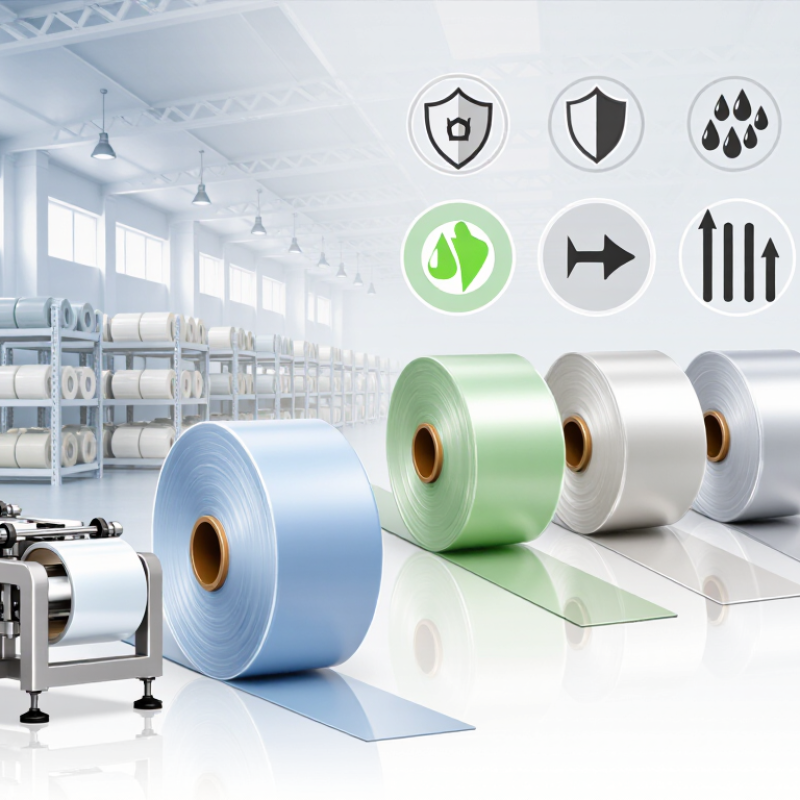
PBL, or plastic barrier laminate, is a multilayer film commonly used for squeezable packaging. Its structure may combine polyethylene layers with a thin barrier layer, such as EVOH, to help limit oxygen or moisture transfer. The exact layer sequence varies by application. Small details matter. A thicker barrier layer may improve protection, while affecting flexibility, sealing, or material use. PBL can suit products that need a dependable barrier and a soft, squeezable feel. Buyers should compare measured barrier performance under relevant conditions, not rely on a general product description alone.
RPBL generally refers to recyclable plastic barrier laminate, designed to improve compatibility with certain plastic recycling streams. Many structures aim to use mostly one polymer family, while retaining enough barrier performance for the packaged product. But “recyclable” is not a universal outcome. Local collection systems, sorting practices, and the complete package design all affect whether material can be recovered. Ask suppliers for the film’s layer composition, barrier test data, seal settings, and supporting recyclability information. A useful trial checks the actual filled package for leaks, stiffness, and dispensing behavior. That step can reveal trade-offs a specification sheet misses. There is no perfect structure; the right choice depends on product sensitivity, shelf-life needs, and available recovery systems.
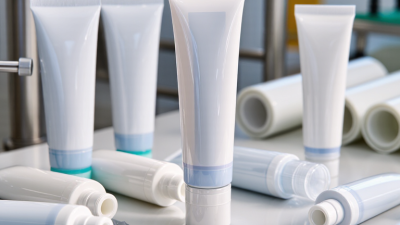
When evaluating PBL or RPBL laminate film suppliers, compare technical evidence, not just quoted prices. Ask for the proposed layer structure, thickness tolerance, barrier performance, and sealing range. Request test results for the exact film grade you plan to buy. A sample that runs well on one machine may behave differently at your filling speed or sealing temperature.
Check how suppliers manage consistency between trial rolls and production batches. Useful records include batch identification, inspection results, and clear procedures for handling defects. For RPBL materials, ask what the recyclability claims cover and which test methods support them. Confirm that print adhesion, pouch forming, and product compatibility have been assessed for your application. Small gaps in documentation can become costly later.
Tips: Send suppliers the same specification sheet and sample conditions. Compare lead times, minimum order quantities, and response times alongside performance data. Ask for a production trial before approving a large order. No checklist catches every issue; even detailed test reports may not reflect your actual line conditions. Keep trial notes, including wrinkles, seal appearance, and any changes operators make.
Suggested buyer-defined scorecard weights, not measured market data or ratings of specific suppliers. Adjust them to match your product, regulatory requirements, and sourcing priorities. Compare documented quality systems, material performance, production consistency, customization capabilities, supply reliability, and sustainability practices.
PBL and RPBL laminate film suppliers differ in converting equipment, material options, and support. These seven profiles describe useful supplier types, not ranked or independently verified companies. Buyers should confirm each claim through samples and technical documents.
A film specialist may offer detailed guidance on layer structure, thickness, and barrier performance. A flexible-packaging converter may support custom widths and repeat production runs. An export-focused supplier may coordinate shipping documents and protective packing for long-distance transit. Small details matter. Ask for evidence. Request a recent specification sheet and a sample roll, then inspect seal quality and print alignment under normal production conditions.
A sustainability-oriented supplier may explain material choices and provide documentation for its stated claims. A technical service provider may help troubleshoot curling, delamination, or inconsistent sealing temperatures. A high-volume manufacturer may offer stable capacity, though smaller orders could receive less attention. A regional supplier may shorten delivery routes and simplify communication, but its available structures may be narrower. These profiles can overlap. They can also be incomplete; supplier websites rarely show every production limitation. Compare response times, sample consistency, and change-control procedures before discussing price alone. A clear answer about tolerances is often more useful than a polished brochure.
PBL and RPBL laminate films can look similar on a specification sheet, yet their layer structures affect barrier performance, sealing, and end-of-life options. PBL constructions may combine polymers with an aluminum barrier, while RPBL designs typically prioritize compatible polymer layers. Exact structures vary by supplier. Ask for a layer-by-layer specification, not just a product label. Recyclability also depends on local collection and processing systems. It is not guaranteed by the material name alone.
Customization matters when a film must run smoothly on existing filling equipment. Compare available widths, thicknesses, print options, and sealing ranges. Request samples for seal tests and checks on stiffness, appearance, and barrier needs. Small differences can cause wrinkles or weak seals. A sample is useful, but it cannot replace a production trial.
Capacity claims deserve the same scrutiny as material claims. Ask about monthly output, standard lead times, quality checks, and how production changes are handled. A supplier with several lines may offer flexibility, but published capacity does not show whether your order gets priority. Request recent quality records and a pilot run where practical. I would not choose on price alone; still, detailed comparisons take time, and even a careful checklist can miss a factory-floor issue.
Global buyers should qualify PBL and RPBL laminate film suppliers against the package’s real use, not a brochure description. Share the intended product, filling temperature, storage conditions, and required shelf life. Ask for the film structure, thickness tolerances, barrier data, sealing range, and print specifications. Request current technical and safety documents, plus test reports relevant to the destination market. Check that batch records and material traceability are available. Small details matter.
Then test samples on the intended filling line. Check seal strength, registration, appearance, and performance after the package has been filled and stored. A neat sample is reassuring, but not conclusive. Ask the supplier how it handles out-of-specification batches, material changes, and production delays. Confirm minimum order quantities, lead times, sample costs, and communication arrangements in writing. Where possible, compare results from more than one production run. A second trial may feel slow, yet it can reveal issues that a lab sample misses. No checklist replaces careful verification. Keep a record of agreed specifications and test results before placing a larger order.
| Supplier Profile | Typical Laminate Structure | Barrier Approach | Common Applications | Key Qualification Checks | Useful Test Data and Documents | Sourcing Consideration |
|---|---|---|---|---|---|---|
| 1. High-volume PBL laminate converter | Multilayer plastic laminate, commonly based on polyethylene layers with bonding or tie layers. | May use an EVOH layer or another specified barrier layer; performance depends on the complete structure and thickness. | Personal-care, household, and other tube packaging where a plastic laminate is suitable. | Confirm production capacity, available web widths, thickness tolerances, print capability, and lot-to-lot consistency. | Layer construction, technical data sheet, thickness results, oxygen and water-vapor transmission data, and samples from a production run. | Compare quoted specifications on the same basis, including structure, roll dimensions, tolerances, and order quantity. |
| 2. EVOH-barrier PBL specialist | Polyethylene-based multilayer laminate incorporating an EVOH barrier layer and compatible tie layers. | EVOH can provide oxygen-barrier performance; actual results vary with layer design, humidity, and finished-package conditions. | Products requiring greater protection from oxygen than a basic PE laminate may provide. | Request the exact layer sequence, EVOH content or layer specification, and test conditions used for barrier claims. | Oxygen transmission rate (OTR) results with test method, temperature, humidity, and specimen details; seal and converting data. | Validate barrier performance on the intended tube or package, not only on flat-film samples. |
| 3. Recyclability-oriented RPBL developer | PE-dominant or other mono-material-oriented laminate design, potentially using compatible barrier layers or coatings. | Barrier performance is design-specific; a recyclable-oriented structure may not match the barrier of a foil-based laminate. | Brands evaluating flexible packaging designs intended to improve compatibility with particular recycling streams. | Ask which material stream the design targets and whether the complete package, including closure and decoration, has been assessed. | Full structure disclosure, recyclability assessment for the intended market, barrier data, and processing or sealing window. | Do not treat “recyclable” as universal: collection, sorting, and reprocessing availability varies by country and local system. |
| 4. High-barrier foil laminate converter | Plastic laminate incorporating an aluminum-foil layer. | Aluminum foil provides a strong barrier to light, oxygen, and moisture when the laminate is properly converted and intact. | Products with demanding light and barrier requirements, subject to compatibility and package-design testing. | Check foil thickness, pinhole or defect controls, bond quality, flex-crack resistance, and finished-package integrity. | Layer specification, barrier test results, bond or delamination data, seal strength, and package-integrity testing. | Discuss the trade-off between barrier needs, package performance, material use, and end-of-life options. |
| 5. Print-and-finish focused laminate supplier | Printed multilayer laminate with a specified surface or reverse-print arrangement and protective layers as required. | Barrier is determined by the laminate structure, not by print quality alone. | Packaging programs where graphics, color consistency, and registration are important alongside functional performance. | Review print proofing, color control, registration tolerance, ink suitability, and controls to prevent migration where relevant. | Approved artwork proof, color standards, ink and coating declarations, structure specification, and production sample rolls. | Approve printed production samples and define color tolerances before placing repeat orders. |
| 6. Food-contact documentation-focused converter | Food-packaging laminate selected for the intended product, process, and market; construction varies by application. | Barrier requirements should be set from product sensitivity, shelf-life goals, and distribution conditions. | Food and personal-care applications where documented material compliance is part of supplier approval. | Confirm intended-use conditions, applicable destination-market rules, traceability, change control, and contamination controls. | Declaration of compliance or other applicable food-contact documentation, traceability records, technical data, and supporting test reports. | Requirements differ by jurisdiction and use; have the buyer’s regulatory team confirm applicability for each market. |
| 7. Custom-development and regional-support converter | Application-specific PBL or RPBL structure developed around the buyer’s filling, sealing, and package requirements. | Barrier layer and overall construction are selected through technical review and validation trials. | New product launches, regional adaptations, or projects requiring joint development and local technical support. | Assess sample turnaround, engineering support, pilot-trial capability, production-site coverage, and escalation process. | Development brief, trial plan, agreed acceptance criteria, change-control procedure, and validated production specification. | Set written milestones for samples, testing, scale-up, and approval before committing to commercial volumes. |