Why Is the Toothpaste Tube Essential for Daily Oral Hygiene?
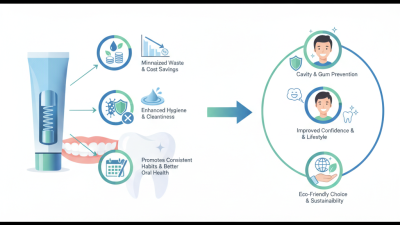
The Toothpaste Tube serves a critical role in daily oral hygiene routines. According to the American Dental Association, nearly 75% of adults prioritize oral care, demonstrating the importance of effective tools in maintaining better health. The design of the Toothpaste Tube has evolved to make dispensing easier and more hygienic.
However, despite its convenience, the toothpaste tube comes with challenges. Many consumers fail to fully extract the product, leading to unnecessary waste. Reports indicate that an average household throws away more than 20% of the toothpaste, which raises concerns about resource use. This highlights a need for better consumer awareness regarding product usage.
As we reflect on our daily hygiene habits, we must recognize the Toothpaste Tube's essential role. It provides constant access to a vital health product while also presenting opportunities for improvement. Understanding its influence can drive better practices in oral hygiene.
The Historical Development of Toothpaste Tubes
The toothpaste tube has evolved significantly since its inception. Initially, toothpaste was sold in jars. This design made it challenging to measure precise amounts. In the 1890s, the first collapsible tube was introduced. This innovation transformed the way people accessed toothpaste. It was hygienic and allowed for easy dispensing.
According to industry reports, about 70% of toothpaste sales are attributed to tube packaging. The tube's design also protects the product from contamination. This is crucial because contamination can lead to a decrease in effectiveness. The American Dental Association notes that proper oral hygiene reduces the risk of cavities by approximately 25%.
Despite its advantages, there are still issues with toothpaste tubes. Many are made from plastics that are not easily recyclable. This creates an environmental concern. Additionally, some consumers report difficulty squeezing the last bits of toothpaste out. This can lead to waste. While the tube has improved convenience, it also presents challenges that warrant further reflection and innovation in packaging design.
Materials Used in Toothpaste Tube Production
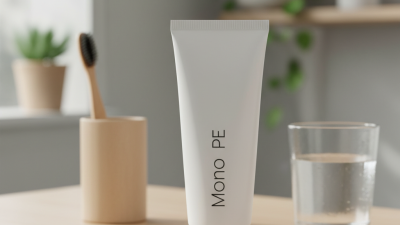
Toothpaste tubes are often overlooked, yet their production involves various materials that ensure hygiene and usability. Most tubes are made from a combination of plastic materials. Polyethylene is common due to its flexibility and resilience. This plastic helps maintain the integrity of the tube while allowing users to squeeze out every bit of toothpaste.
Aluminum is also used in some tubes. It is lightweight and offers a barrier against moisture and air. This is crucial for preserving the active ingredients in toothpaste. However, there are ongoing discussions about the environmental impact of these materials. Recycling options are limited, leading to waste. Many consumers are unaware of the importance of proper disposal.
Some companies explore biodegradable options, but these are not yet mainstream. The challenge lies in balancing functionality and environmental responsibility. Despite advancements, the industry still faces significant hurdles. Innovations are necessary to create sustainable materials without losing the qualities that make toothpaste effective. Understanding these materials can help consumers make better choices in the future.
The Role of Toothpaste Tubes in Maintaining Oral Hygiene
Toothpaste tubes play a vital role in our daily oral hygiene routine. They serve more than just a container for paste. These tubes help maintain the integrity of the product by keeping it clean and free from contamination. Each squeeze ensures that we can apply the right amount needed for effective cleaning. This convenience directly impacts how consistently we practice good oral hygiene.
The design of toothpaste tubes also encourages mindful usage. It’s easy to see when you’re running low. This visual reminder can prompt timely purchases, ensuring you never run out of toothpaste. However, not all tubes are user-friendly. Some can be challenging to squeeze or get the last bits out. This can lead to frustration, detracting from a positive hygiene experience.
Moreover, the materials used impact both the effectiveness and environment. Some toothpaste tubes aren’t recyclable, leading to waste. Understanding this can prompt individuals to seek sustainable options. It may require a bit of effort to research brands and their packaging. This choice reflects a deeper commitment to personal health and environmental responsibility.
Why Is the Toothpaste Tube Essential for Daily Oral Hygiene? - The Role of Toothpaste Tubes in Maintaining Oral Hygiene
| Feature |
Importance |
Impact on Hygiene |
| Material Type |
Resistant to moisture and chemical degradation |
Prevents contamination of toothpaste |
| Sealing Mechanism |
Prevents air exposure |
Maintains effectiveness and freshness |
| Dispensing Method |
Easy and controlled application |
Reduces waste and promotes proper amount usage |
| Size and Portability |
Convenient for everyday use |
Encourages regular oral hygiene practices |
| Recyclability |
Sustainable materials can reduce waste |
Promotes environmentally friendly hygiene practices |
Environmental Impact of Toothpaste Tubes and Recycling Options
Toothpaste tubes play a crucial role in our daily oral hygiene routines. However, they also raise important environmental concerns. Most toothpaste tubes are made from a mix of materials, which complicates recycling efforts. These tubes often contain plastic that cannot be easily processed. The result? A significant amount of waste ends up in landfills.
Recycling options for toothpaste tubes are limited but evolving. Some companies are exploring innovative materials that can be recycled more efficiently. In addition, consumer education is essential. Many aren’t aware that traditional tubes cannot go into standard recycling bins. This gap in knowledge leads to unnecessary waste.
Considering the impact of these tubes, consumers can seek alternatives. Some brands offer refillable options or biodegradable materials. These choices highlight a shift towards sustainability. It's imperative to think critically about our habits. Encouraging recycling and supporting eco-friendly products can reduce our environmental footprint.
Innovations in Toothpaste Tube Design and Functionality
Toothpaste tubes have evolved significantly. Innovations in design and functionality have made them essential for maintaining oral hygiene. Many tubes now feature easy-to-squeeze materials. This design allows for maximum toothpaste extraction. Consumers waste less product, promoting better hygiene practices.
Additionally, smart designs include built-in measurement indicators. Users can see just how much toothpaste they’re using. This feature encourages the right amount of toothpaste for effective brushing. Another advancement is the incorporation of eco-friendly materials. Many brands now offer recyclable or biodegradable options. This shift aligns with growing environmental awareness.
**Tips:** Store your toothpaste upright. This position helps to keep it fresh and ready for use. Always check the expiration date on your tube. Using expired toothpaste might not provide the best results. Consider trying different designs. The right tube can enhance your brushing experience and commitment to oral care.
Daily Toothpaste Tube Usage and Innovations