Ultimate Guide to Laminate Film Tips for Buyers?
The laminate film industry is rapidly evolving, showcasing significant growth in recent years. According to a report by MarketsandMarkets, the global laminate film market is projected to reach $34.5 billion by 2026, growing at a CAGR of 4.7%. This growth reflects the increasing demand across various sectors, including packaging, electronics, and construction. As businesses seek durable and versatile solutions, understanding laminate film becomes essential for informed purchasing decisions.
Expert in the field, Dr. Emily Chen, notes, “Choosing the right laminate film can significantly impact product integrity and consumer satisfaction.” Her insights highlight the nuanced factors buyers must consider when selecting laminate film. With advancements in technology and a wider array of options available, understanding material specifications and application suitability is crucial.
While laminate films offer robust protection and aesthetic enhancement, challenges remain. Some buyers may overlook critical aspects, such as compatibility with their specific applications or the environmental implications of certain products. A balanced approach to selecting laminate films ensures that buyers not only optimize performance but also align with sustainability goals.
Understanding Laminate Film: Types and Uses
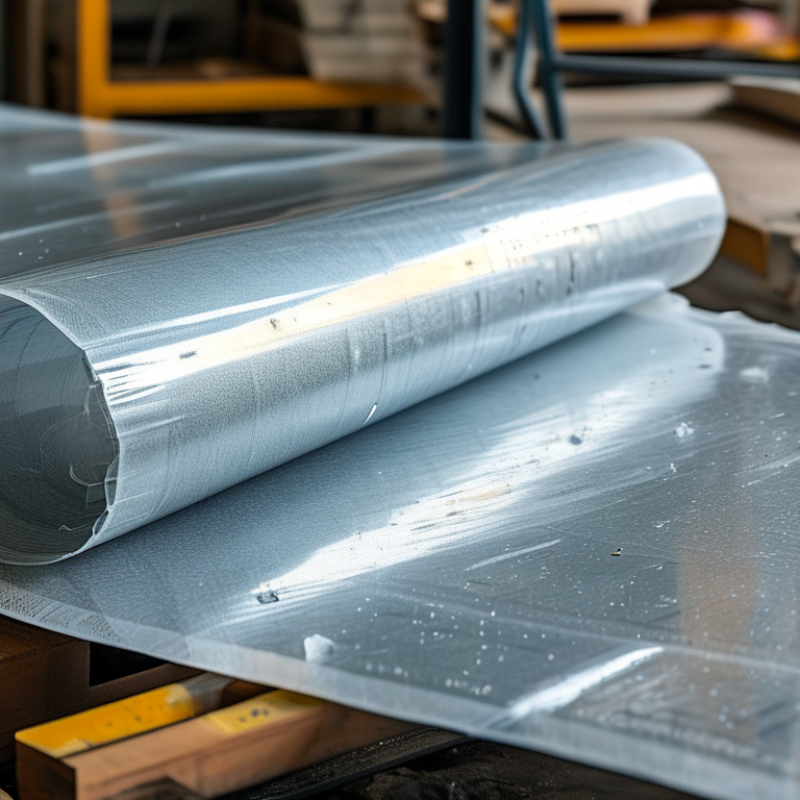
When exploring laminate film, it's crucial to understand its types and uses. There are several kinds of laminate film available. Each type serves different purposes. For instance, thermal laminates activate with heat, while pressure-sensitive laminates adhere without heat. Choosing the right type depends on the project’s requirements.
These films can protect documents from water damage and tearing. They also enhance the appearance of prints. However, not all laminate films are equal. Some may yellow over time or bubble when applied incorrectly. This inconsistency can lead to dissatisfaction. Pay attention to the application process to ensure a smooth finish.
Investigating the specific application is essential. If you need a long-lasting finish, look for higher-quality options. Budget options might save money but could result in quicker deterioration. It's vital to balance cost and quality. Consider the environment where the laminated item will be used. This can impact your film choice significantly.
Key Features to Look for in Laminate Film
When selecting laminate film, understanding its key features can significantly enhance your buying decision. The first aspect to consider is the film's thickness. Research indicates that thicker films, ranging from 3 to 10 mils, provide better durability and resistance against wear and tear. This means that they can withstand daily use without showing signs of damage.
Another important feature is the type of adhesive used. High-quality laminate films utilize a strong adhesive that ensures a lasting bond between surfaces. According to a 2023 industry report, films with pressure-sensitive adhesives often perform better in high-traffic areas. This longevity is crucial for both commercial and personal applications.
Clarity and finish also play a vital role in selecting laminate film. Glossy finishes often enhance color vibrancy, while matte finishes reduce glare and fingerprints. Data from market surveys suggest that 65% of users prefer matte finishes for their aesthetic appeal in office settings. However, gloss can create stunning presentations in display settings. Evaluating these features critically can lead buyers to make more informed choices tailored to their specific needs.
Ultimate Guide to Laminate Film Tips for Buyers - Key Features to Look for in Laminate Film
| Feature |
Description |
Importance |
| Thickness |
The measurement of the film’s thickness affects durability and flexibility. |
Critical |
| Finish Type |
Options include gloss, matte, and satin finishes that impact the final look. |
Important |
| Adhesive Type |
Different adhesives offer varying levels of bond strength and repositionability. |
Very Important |
| UV Resistance |
Protects against fading and degradation from sunlight exposure. |
Essential |
| Size & Format |
Available in various widths and lengths; choose according to application needs. |
Important |
| Temperature Resistance |
Ability to withstand heat without warping or bubbling. |
Very Important |
Comparison of Laminate Film Brands and Products
When exploring laminate film options, it's essential to consider various brands and products. Different brands offer distinct features that can cater to unique needs. Some films are ideal for everyday use, while others are designed for specialized tasks. Evaluating these differences allows buyers to make informed choices that align with their specific requirements.
Quality varies significantly among laminate films. Some products may not provide the durability expected, leading to issues like bubbling or peeling. Testing samples before committing to a large purchase is advisable. Customers often discover that while certain brands promise high performance, they may not always deliver in real-world applications. This discrepancy highlights the importance of user reviews and brand credibility.
Price can also impact the decision-making process. A higher price does not always equate to superior quality. Some budget-friendly options perform surprisingly well. Investigating user feedback can uncover hidden gems in the laminate film market. Balancing cost against quality and performance should guide buyers as they navigate their options.
Tips for Proper Application of Laminate Film
When applying laminate film, preparation is key. Ensure your surface is clean and dry. Clean the area with a suitable cleaner before starting. Dust and debris can ruin the look of your finished product. Pay attention to corners and edges; they often attract dirt. A smooth application starts with a perfect surface.
Technique matters as well. Use a squeegee for a bubble-free finish. Start from the center and push outwards. This method helps to avoid air bubbles. If you notice a bubble, don’t panic. You can gently lift the film and reapply it. Some users hesitate to do this, fearing they’ll damage the film. However, proper handling can save your project.
Don’t forget to trim your laminate film wisely. Use a sharp blade for clean edges. But be cautious, as over-trimming can lead to uneven results. It can feel frustrating to manage such a fine detail. Remember, small mistakes are common. Reflecting on these can lead to better practices in the future. Each application is an opportunity to learn and improve your technique.
Maintenance and Care for Long-lasting Laminate Film
To maintain laminate film for longevity, careful attention is essential. Regular cleaning with a damp cloth helps remove dust and grime. Avoid abrasive cleaners that may scratch the surface. Use pH-balanced solutions to protect the laminate's finish. Dry the film immediately to prevent water spots.
Storage matters too. Keep laminate film away from direct sunlight. Excess heat and UV rays can cause fading and warping. A cool, dark place is ideal. Additionally, check for signs of wear like bubbles or peeling. Address these issues quickly to prevent further damage.
Remember, maintenance requires effort. Be mindful of how and where you use your laminate film. It’s not just an investment; it’s a commitment. Regular care can lead to years of beauty and functionality.
Maintenance and Care for Long-lasting Laminate Film