Why Choose Polyethylene Tube for Your Next Project?
In the realm of industrial applications, the choice of materials significantly impacts project efficiency. Polyethylene tube stands out due to its versatility and robustness, making it a top contender. According to a report by Smithers Pira, the global demand for plastic pipes, including polyethylene, is expected to reach $60 billion by 2025. This growth illustrates a clear shift towards durable, lightweight materials.
Polyethylene tube offers exceptional chemical resistance. It can handle a wide array of substances without compromising integrity. This property makes it ideal for various applications, from construction to healthcare. Its flexibility and ease of installation reduce labor costs and project timelines, which are crucial in competitive industries. However, users must consider the environmental impact of polyethylene.
While its benefits are significant, it’s essential to assess your specific project needs and sustainability goals. The balance between performance and environmental responsibility is vital. Polyethylene tube remains a preferred choice, but awareness of its ecological footprint is increasingly important in today’s industrial landscape.
Advantages of Using Polyethylene Tube in Various Applications
Polyethylene tubes are gaining popularity in various industries due to their remarkable benefits. According to a report by the Plastics Industry Association, the demand for polyethylene products has increased by 4% annually. This growth is largely driven by the material’s versatility. For instance, polyethylene tubes are lightweight, making them easy to transport and install. They are also resistant to chemicals and moisture, which enhances their lifespan in demanding environments.
One significant advantage is their flexibility. In applications like irrigation, these tubes can curve and adapt to different configurations. This adaptability reduces the need for fittings, leading to cost savings. Additionally, polyethylene tubes can withstand a broad range of temperatures. Testing has shown that they maintain integrity even in extreme conditions, making them suitable for both hot and cold water systems.
However, not all applications are ideal for polyethylene tubes. For heavy-duty tasks, their strength may be a factor to consider. Some projects may require materials with higher durability. It's crucial to assess the specific needs of each project. A careful evaluation can lead to finding the right balance between cost, performance, and longevity.
Comparison of Polyethylene Tube with Other Materials
When selecting materials for projects, comparing polyethylene tubes with other options is crucial. Polyethylene offers several advantages over metals and PVC. It is lightweight and flexible, making it easier to handle. Unlike metal, it won't corrode or rust over time. This durability is essential for projects exposed to moisture or varied environments.
On the other hand, PVC can become brittle with age, especially under UV exposure. Polyethylene remains resilient, resisting cracks and leaks. However, it may not be suitable for high-temperature applications. Certain conditions may require a reevaluation of material choice. The cost-effectiveness of polyethylene is also evident, but some users overlook potential long-term savings due to its lifespan.
In some cases, polyethylene lacks the structural strength found in metals. This can be a consideration in specific applications, where robustness is critical. Balancing these aspects with project needs is important. It highlights the necessity of careful planning. Testing different materials can lead to surprising insights and improve outcomes.
Comparison of Polyethylene Tube with Other Materials
This chart compares the cost per meter of different tube materials, highlighting the affordability of polyethylene compared to alternatives such as PVC, rubber, metal, and silicone.
Durability and Chemical Resistance of Polyethylene Tubes
Polyethylene tubes are gaining traction in various industries due to their remarkable durability and chemical resistance. These tubes can withstand harsh environments that would typically damage other materials. They resist rust and corrosion, making them ideal for long-term applications. Polyethylene's flexibility allows it to handle a range of temperatures and pressures. This ensures that it can perform reliably in various conditions.
When selecting polyethylene tubes, consider the specific environment they will be used in. Certain chemicals can still impact their integrity. Testing samples in a controlled setting may help in understanding their limitations. A thorough analysis of your project's conditions is essential.
Tips: Always verify the compatibility of polyethylene with the chemicals it will encounter. Explore various thicknesses and diameters, as these factors affect performance. Regular inspections can prevent unexpected failures, ensuring the project remains on track. Polyethylene tubes can be an excellent choice, but they require careful consideration to maximize their potential.
Cost-effectiveness and Availability of Polyethylene Tubing
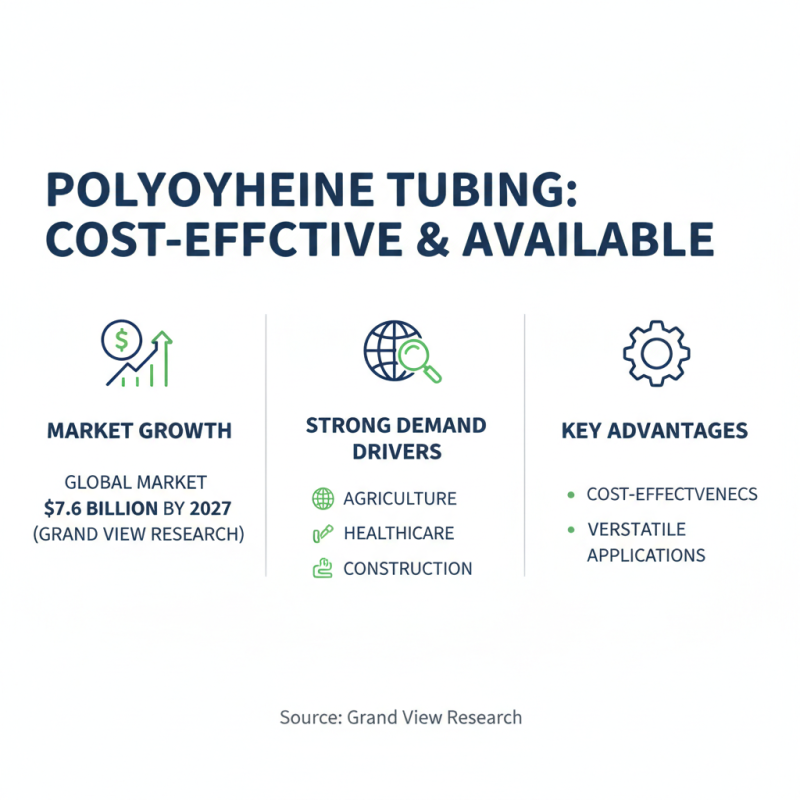
Polyethylene tubing has gained popularity in various industries due to its cost-effectiveness and availability. According to a market analysis published by Grand View Research, the global polyethylene tubing market is expected to reach $7.6 billion by 2027, indicating strong demand. This growth can be attributed to its versatile applications in agriculture, healthcare, and construction.
One of the key advantages of polyethylene tubing is its affordability. Reports from the Plastics Industry Association highlight that polyethylene costs 20-30% less than alternative materials like PVC. Additionally, polyethylene is readily available, with many suppliers offering a wide range of sizes and types. Its ease of production contributes to lower costs, making it a practical choice for businesses on a budget.
However, while polyethylene tubing is often celebrated for its benefits, it’s essential to consider its limitations. Its performance can be affected by extreme temperatures and UV exposure. Some applications may require more durable materials. It’s important for project managers to assess the specific needs of their projects before selecting polyethylene tubing. By analyzing these factors, they can make informed decisions that maximize performance while keeping costs in check.
Applications of Polyethylene Tubes in Industry and Everyday Life
Polyethylene tubes are widely used across various industries due to their versatility and durability. These tubes are crucial in sectors such as construction, agriculture, and healthcare. For instance, the market for polyethylene tubing is projected to grow at a CAGR of 5.0% from 2022 to 2029, according to a recent industry report. This growth reflects the increasing demand for lightweight and flexible materials.
In construction, polyethylene tubes facilitate water supply and drainage systems. Their resistance to corrosion makes them suitable for long-term use in various environmental conditions. Similarly, in agriculture, they serve as irrigation lines, aiding in efficient water management. It’s worth noting that approximately 70% of the world’s freshwater is used for irrigation, making effective solutions like polyethylene tubes essential.
In everyday life, these tubes find applications in medical devices and consumer products. They are often used in blood bags, catheters, and various packaging materials. However, reliance on polyethylene raises environmental concerns due to plastic waste. Many manufacturers are now exploring recycling methods and biodegradable alternatives, reflecting an industry shift towards sustainability. This evolution underscores the importance of finding a balance between utility and environmental responsibility.
Why Choose Polyethylene Tube for Your Next Project? - Applications of Polyethylene Tubes in Industry and Everyday Life
| Application |
Description |
Benefits |
Common Industries |
| Water Supply |
Used for transporting drinking water and fluids. |
Durable, resistant to corrosion, and lightweight. |
Municipal, Agriculture |
| Electrical Conduit |
Protects electrical wiring in residential and commercial applications. |
Non-conductive and resistant to moisture. |
Construction, Electrical |
| Medical Devices |
Used in IV tubes and various medical equipment. |
Biocompatible and easy to sterilize. |
Healthcare, Pharmaceuticals |
| Packaging |
Used for packaging food and consumer products. |
Flexible, lightweight, and recyclable. |
Food & Beverage, Consumer Goods |
| Sports Equipment |
Used in items like kayaks and sports gear. |
High impact resistance and lightweight. |
Sports & Recreation, Manufacturing |