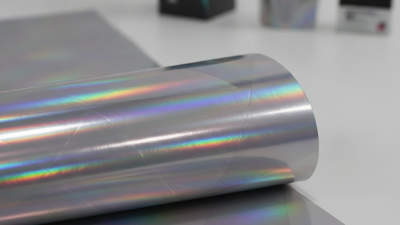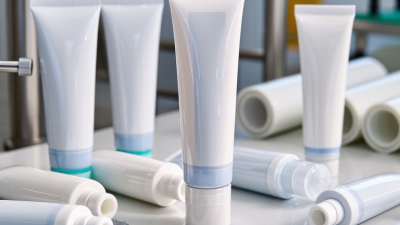
Abl Laminate Film is a practical barrier material used in tubes, pouches, sachets, and flexible packaging. It combines polymer layers with a thin aluminum layer. This structure helps protect contents from light, oxygen, moisture, odors, and outside contamination. Think of toothpaste, pharmaceutical creams, cosmetic gels, and sensitive food products. Their familiar soft tubes often depend on this layered protection.
“Barrier performance is a system property, not a single-layer promise,” says Dr. Rainer D. Schulz, a packaging materials specialist. This observation explains why Abl Laminate Film requires careful design. The aluminum layer blocks light and gases. The polymer layers provide flexibility, sealing strength, printability, and product contact safety. Adhesive layers hold everything together. Small defects can matter. A tiny pinhole may reduce protection.
Its uses are not limited to storage. Abl Laminate Film can improve shelf life, reduce product waste, and support clean dispensing. It also gives brands a smooth surface for colors, instructions, and batch information. In a factory, operators may convert the film into tubes or pouches through controlled forming and sealing. Temperature, pressure, and layer compatibility must remain stable.
Still, the material is not perfect. Recycling can be difficult because several layers are bonded together. That weakness deserves honest attention. Product protection may come with processing challenges. Therefore, choosing Abl Laminate Film involves more than checking barrier values. Manufacturers should review chemical compatibility, seal integrity, filling conditions, transport stress, and end-of-life requirements. The right film protects the product without creating avoidable problems elsewhere.
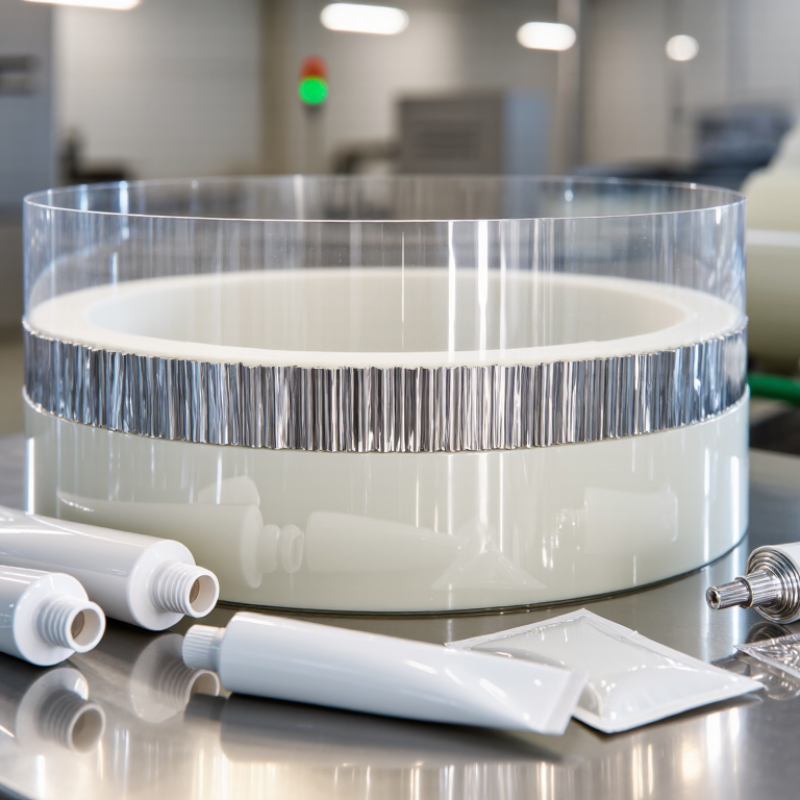
ABL means aluminum barrier laminate, a multilayer film used mainly for protective packaging. It is not a single sheet. Its structure usually combines polyethylene layers, aluminum foil, adhesive or tie layers, printing ink, and a sealant layer. Many tube laminates use five or seven layers. The aluminum core often measures about 9–40 micrometers, depending on the required barrier level.
The structure matters. Aluminum blocks light and strongly limits oxygen and moisture transmission. Polyethylene provides flexibility, heat sealing, and product contact protection. The outer layer supports printing and resists scuffing during transport. This combination makes ABL suitable for toothpaste, pharmaceutical creams, cosmetic gels, food pastes, and other moisture-sensitive products. It also supports precise tube forming and controlled dispensing.
According to Grand View Research, the global flexible packaging market was valued at about 261.2 billion dollars in 2022. Its report projects a 4.8% compound annual growth rate from 2023 to 2030. That growth reflects continued demand for lightweight barrier packaging, although ABL is only one segment. In production, performance depends on more than foil thickness. Pinholes, weak seals, poor layer bonding, and rough handling can reduce protection. No laminate performs perfectly. ABL can also complicate recycling because several materials remain bonded together. That limitation deserves more attention during package design and material testing.

What Is ABL Laminate Film Used For?
ABL laminate film is commonly used for tubes, sachets, and flexible packages that need strong product protection. Its aluminum layer blocks light, oxygen, moisture, and many external odors. This barrier helps preserve color, texture, aroma, and active ingredients during storage. It is especially useful for creams, gels, pastes, and sensitive personal-care formulations.
The structure usually combines aluminum foil with polymer layers. The foil creates the main barrier, while the inner polymer layer supports heat sealing and product contact. The outer layer improves printing, handling, and surface durability. A well-designed film can also resist grease, moderate pressure, and routine transport stress. A small flaw matters. Pinholes, weak seals, or poor forming can reduce protection quickly.
In practical production, material selection should match the product and filling process. A thick structure may improve protection, but it can reduce flexibility and increase material use. Sharp folds may also create stress points in the foil layer. This is easy to overlook. Testing should include seal strength, leak resistance, flex durability, and barrier performance after forming. Results can change with humidity, temperature, and storage time. ABL film is highly effective, but it is not a universal solution. Careful trials remain necessary before large-scale conversion.
ABL laminate film combines an aluminum barrier layer with plastic layers, creating a flexible structure for demanding packaging applications. The aluminum layer blocks light, oxygen, moisture, and many external odors. Plastic layers add strength, heat-sealing performance, and a smooth surface for printing. In practical production, the correct structure depends on the product, filling temperature, shelf-life target, and sealing equipment.
Personal care is a major application. Toothpaste, creams, gels, and hair treatments often use ABL tubes because the material supports clean dispensing and strong product protection. The tube can also limit light exposure, which helps protect sensitive formulas. Household products use ABL structures for concentrated cleaners, polishing compounds, and refill sachets. These packs are lightweight and take less storage space than rigid containers.
Food packaging uses ABL laminate film for sauces, seasonings, coffee products, and other items needing strong barrier protection. Medical and pharmaceutical packaging may use it for ointment tubes, diagnostic materials, and selected unit-dose products. These applications require controlled manufacturing, documented material testing, and compatibility checks.
Small details matter. A weak seal can ruin an excellent barrier film. The wrong adhesive may affect appearance or product stability. ABL is not automatically the best choice for every package, especially where recycling systems cannot process mixed materials. Packaging teams should test puncture resistance, seal strength, chemical compatibility, and aging performance before production. Real-world handling is often harsher than laboratory testing. That lesson is easy to overlook.
| Industry | Typical Products | Common Package Format | Key Protection Provided by ABL | Typical Material Features | Main Packaging Benefit |
|---|---|---|---|---|---|
| Oral Care | Toothpaste, denture-care creams, tooth gels | Squeezable laminated tubes with flip-top or screw closures | Blocks light, oxygen, moisture and aroma migration that can affect flavor, color and active ingredients | Aluminum foil barrier layer combined with heat-sealable polymer layers and printable outer surfaces | Good product protection, clean dispensing and strong shelf appearance |
| Pharmaceuticals | Topical creams, ointments, gels, pastes and medical preparations | Collapsible tubes, unit-dose sachets and small flexible packs | Limits exposure to oxygen, ultraviolet light, water vapor and external contaminants | Controlled barrier construction, compatible sealant layer and options for tamper-evident tube ends | Supports product stability and helps preserve dosage quality during storage |
| Cosmetics & Personal Care | Skin creams, masks, lotions, hair treatments and cleansing products | Squeezable tubes, travel-size tubes and flexible refill packs | Protects sensitive formulas from light, oxygen, humidity and fragrance loss | Glossy or matte printable outer layer, aluminum barrier and sealant layer selected for formula compatibility | Combines premium graphics with controlled dispensing and extended formula freshness |
| Food | Sauces, condiments, concentrated pastes, fillings and flavoring products | Flexible sachets, pouches and dispensing tubes | Reduces oxygen and light exposure, helping protect color, taste, aroma and moisture balance | Food-contact-compatible inner layer, aluminum foil barrier and heat-sealable construction | Convenient portioning, good shelf-life protection and efficient product evacuation |
| Household & Cleaning | Polishing creams, concentrated cleaners, repair pastes and specialty detergents | Tubes, sachets and small flexible refill packs | Helps contain volatile components and protects contents from humidity and external contamination | Chemical-resistant sealant layer, durable outer web and strong heat-sealed seams | Compact storage, controlled dosing and reduced risk of leakage |
| Industrial & Technical Products | Adhesives, sealants, lubricants, pigments and maintenance compounds | Cartridges, tubes, sachets and laminated pouches | Limits moisture and oxygen ingress that may trigger curing, oxidation or changes in viscosity | High-barrier foil layer with a chemically compatible inner sealant and puncture-resistant outer structure | Improves storage stability and enables precise, low-waste application |
| Agricultural & Garden Care | Plant treatment pastes, grafting compounds and concentrated garden-care formulations | Small tubes, sachets and flexible pouches | Provides a barrier against moisture, oxygen and light while helping contain strong odors | Durable laminate construction with product-compatible inner layers and secure closures | Supports safe handling, measured dispensing and reliable storage performance |
| General ABL Characteristics | Multilayer packaging that combines polymer films with an aluminum foil barrier | Tubes, sachets, pouches and other flexible formats | Very high barrier against light, oxygen, water vapor and many aroma compounds | Common layers include a printable outer polymer, aluminum foil, adhesive or tie layers and a heat-sealable inner polymer | Lightweight, flexible, printable and suitable for products requiring strong barrier protection |
Note: Actual ABL performance depends on foil thickness, polymer selection, laminate design, seal quality, filling conditions and compatibility with the packaged product.
What Is ABL Laminate Film Used For?
ABL laminate film is used to protect packaged products from oxygen, moisture, light, and outside odors. Its aluminum layer acts as a strong barrier, while plastic layers support sealing and handling. This structure is common in collapsible tubes, pouches, sachets, and other flexible packages.
How ABL Laminate Film Protects Packaged Products
In practical package evaluations, the film helps preserve texture, color, scent, and active ingredients. A face cream may remain smoother when light and air are blocked. A food paste can resist moisture loss and unwanted odor transfer. The film also reduces contact between the product and the surrounding environment.
Protection depends on more than the barrier layer. Heat-sealed edges must remain continuous. Poor sealing can create a hidden entry point for air or humidity. A small crease can matter. During filling and transport, repeated bending may damage the aluminum layer. That risk requires suitable thickness, controlled forming, and package testing.
ABL film can also improve handling. Its outer layer supports printing and protects the aluminum from scratches. Its inner layer must match the product’s chemistry and sealing process. No film solves every packaging problem. Some sensitive products may still need special closures, filling conditions, or storage instructions. Careful testing remains essential, especially when the package faces heat, pressure, or long distribution periods.
ABL laminate film is used for tubes and flexible packs that need strong protection from moisture, oxygen, light, and product loss. Its aluminum barrier layer blocks outside influences, while polymer layers improve sealing, printing, and flexibility. Toothpaste, creams, gels, and household formulations commonly require this structure.
Selecting the right ABL laminate film starts with the product itself. A water-based formula may need different barrier protection from an oil-rich cream. Check the formula’s acidity, solvents, fragrance oils, and storage temperature. These details can affect layer adhesion and seal strength. Not every film suits every filling line.
Consider the tube-making process too. Film thickness influences stiffness, folding, and material use. Sealant compatibility affects leakage risk around the shoulder and cap area. During practical trials, measure seal strength after filling, aging, and temperature changes. A perfect-looking seal can still fail later. That is easy to overlook.
Printing quality also matters. A smooth outer layer supports sharp text and consistent color. Ask for documented barrier data, migration information, and batch traceability from the supplier. Test the actual film, not only a small sample. Small rolls may behave differently from full production lots. I would also review opening force, puncture resistance, and recyclability targets before approval. The “best” structure may require compromise, and that compromise should be recorded rather than assumed.