10 Best Laminate Tube Manufacturers for Global Buyers
Choosing a Laminate Tube manufacturer involves more than comparing prices and printing samples. A toothpaste tube must protect its formula, dispense smoothly, and survive transport without leaking. A skincare tube may also require precise decoration and compatibility testing with sensitive ingredients. Details matter. For global buyers, the strongest supplier is one whose capabilities match the product, destination market, and purchasing volume.
Patricia Verduin, former Chief Technology Officer at Colgate-Palmolive, helped advance recyclable toothpaste tube development. She stated, “If we can standardize recyclable tubes among all companies, we all win.” Her observation highlights an important purchasing challenge: packaging improvements need shared standards and practical verification. Buyers should distinguish aluminum barrier laminate, or ABL, from plastic barrier laminate, or PBL. Each structure offers different barrier properties, appearance options, and recycling considerations. Material labels alone cannot establish whether a finished tube is recyclable in its destination market. Check local acceptance.
This guide to 10 Best Laminate Tube Manufacturers for Global Buyers examines suppliers through practical procurement criteria. These include manufacturing capabilities, quality documentation, customization options, export experience, and technical support. Request samples made with your intended structure, closure, and decoration before approving production. Ask how suppliers test seal strength, leakage, and compatibility with your formula. Request evidence. Still, any shortlist has limits: a polished sample cannot prove consistent performance across repeated production runs. The right choice depends on verified capabilities, realistic lead times, and how clearly a manufacturer handles problems.
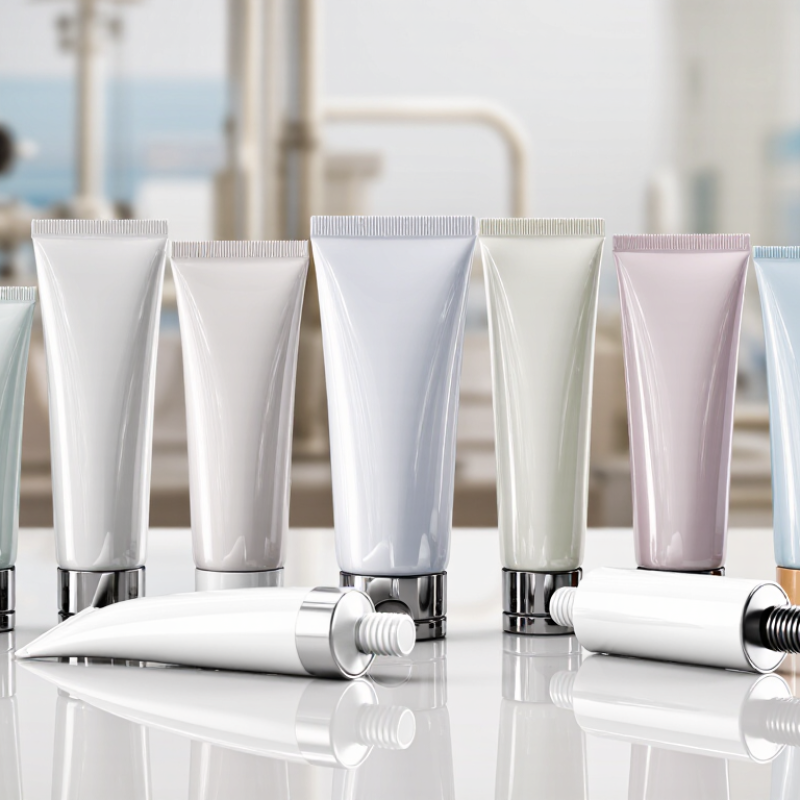
Laminate Tube Types, Materials, and Common Applications
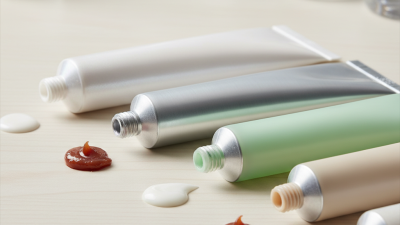
Laminate tubes typically combine several material layers to balance product protection, flexibility, and print quality. Two common types are aluminum barrier laminate (ABL) and plastic barrier laminate (PBL). ABL includes a thin aluminum layer that limits light, oxygen, and moisture transmission. It commonly holds toothpaste, cosmetic creams, and certain pharmaceutical ointments. Protection matters. However, repeated folding can damage the barrier, so handling conditions deserve attention during packaging trials.
PBL tubes use plastic layers, often polyethylene, with an optional ethylene vinyl alcohol (EVOH) barrier. They usually recover their shape better after squeezing and support packaging for skincare creams, cleansers, and hair conditioners. EVOH helps restrict oxygen transmission, although humidity can affect its performance. Appearance varies. Clear or translucent constructions may suit visible formulas, while opaque layers help shield products from light. Neither construction automatically suits every formula; essential oils, solvents, and fragrances can create compatibility challenges.
For global buyers comparing manufacturers, material specifications should match the actual filling and distribution conditions. Request layer structures, barrier data, and compatibility results for the intended formula. A narrow nozzle can control an ointment dose, while thicker creams may need a wider opening. Test cap leakage, seal strength, and dispensing after storage at relevant temperatures. Recycling claims also need scrutiny because aluminum layers, mixed polymers, and local collection systems complicate recovery. A recyclable design on paper may still lack a practical collection route in the destination market.
Key Criteria for Evaluating Laminate Tube Manufacturers
Evaluating laminate tube manufacturers starts with product compatibility, measurable quality, and reliable delivery. Request samples made with your intended laminate structure, shoulder, and cap. Test the complete package. Compare aluminum barrier laminate and plastic barrier laminate against your formula’s oxygen, moisture, and light sensitivity. Ask for oxygen transmission rates with test temperatures, humidity levels, and methods clearly stated. Numbers need context. For example, a fragranced cream needs compatibility testing for aroma loss, discoloration, and laminate separation during storage.
Recyclability claims deserve equal scrutiny. The OECD’s Global Plastics Outlook (2022) reports that only 9% of global plastic waste was ultimately recycled in 2019. That figure covers all plastics, so it cannot establish a specific tube’s recyclability. Ask manufacturers for the complete material composition, including barriers, adhesives, shoulders, and closures. Check whether collection and recycling systems in your destination market accept that construction. An all-plastic tube may still face sorting limitations. This remains a practical gap in many sustainability claims.
Tips:
Send shortlisted factories the same specification sheet and compare their written responses. Include fill volume, tube dimensions, printing tolerances, seal requirements, and shipment quantities. Request recent batch inspection records and documented procedures for handling defects. Agree on leakage, cap torque, and print adhesion checks before production. A thicker wall may feel reassuring, but it can add material without fixing weak seals. Reconsider that assumption. Pilot orders cost extra, yet they can reveal filling-line problems that attractive samples conceal.
10 Best Laminate Tube Manufacturers for Global Buyers
Selecting the 10 best laminate tube manufacturers for global buyers requires evidence beyond attractive samples. A useful shortlist compares barrier performance, production consistency, regulatory documentation, and export capability.
Price is incomplete.
Request specifications for laminate thickness, shoulder material, cap compatibility, and print tolerances. For toothpaste or cosmetic creams, ask suppliers to test tubes using your actual formulation. Oils, fragrances, and active ingredients can affect packaging compatibility.
Environmental claims deserve equal scrutiny. The OECD’s Global Plastics Outlook, published in 2022, reports that global plastic waste reached 353 million tonnes in 2019. Only 9% was ultimately recycled.
These figures cover all plastics, so they cannot establish laminate tube recycling rates. Ask manufacturers whether their tubes contain aluminium barriers or all-plastic laminates.
Neither construction alone proves recyclability; collection, sorting, and local processing infrastructure also matter. Request documented assessments relevant to your destination market.
Samples can mislead. A flawless sample does not establish reliable performance across thousands of tubes.
Compare pilot batches for seal integrity, leakage, cap fit, and artwork registration. Ask each shortlisted manufacturer for traceable batch records, realistic lead times, and written defect-handling procedures.
Giving sustainability claims extra weight may seem sensible, but that preference deserves scrutiny when supporting evidence is weak.
Include filled-product stability testing and transit trials before approving a large order.
Manufacturer Comparison by Capabilities, Quality, and Global Reach
Comparing ten laminate tube manufacturers requires more than checking prices and production capacity. Capabilities should match your formula, filling equipment, and packaging specifications. Ask whether each factory offers aluminum barrier laminate, plastic barrier laminate, or both. Request samples in your intended diameter, with the actual shoulder and cap design. Test the fit. A supplier offering detailed printing may still struggle with consistent cap alignment or reliable seals.
Quality comparisons become useful when suppliers provide evidence tied to your specifications. Request current certification documents, batch traceability records, and inspection criteria for seal strength and print registration. Check certification scope. For toothpaste or cosmetic creams, evaluate filled samples for leakage, discoloration, and compatibility under agreed storage conditions. Attractive empty tubes cannot establish product compatibility. Accelerated aging can reveal potential problems, but it does not replace a properly designed shelf life study. Even a careful checklist has gaps; sample approval may overlook variation during full production runs.
Global reach means more than listing export destinations on a website. Compare delivery terms, shipping routes, carton protection, and experience preparing documents for your destination market. Ask each manufacturer to distinguish production lead time from transit time. A lower unit price may become less attractive after freight, duties, and minimum order quantities. Request a recent, anonymized example of how the supplier handled a delayed shipment or rejected batch. Their response can expose weaknesses that a polished capability presentation leaves unclear.
Laminate Tube Manufacturers: Recyclability Benchmarks for Global Buyers
When comparing manufacturers by capabilities, quality, and global reach, buyers supplying the EU market can use packaging recyclability requirements as one measurable screening criterion. The chart shows the minimum recyclable share by weight for each design-for-recycling performance grade under the EU Packaging and Packaging Waste Regulation.
How to read the chart: Grade A starts at 95% recyclability by weight, Grade B at 80%, and Grade C at 70%. These are minimum thresholds, not supplier scores or recycled-content requirements. For laminate tubes, request evidence covering the complete packaging construction, including barrier layers, closures, and decoration. The thresholds alone do not establish a tube’s grade; applicable assessment criteria and recycling conditions must also be considered.
Source:
Regulation (EU) 2025/40, Article 6 and Annex II
.
Regulatory benchmarks are shown for buyer reference; no company or brand performance data is presented.