What is a Pharmaceutical Tube and Its Key Features?
In the pharmaceutical industry, packaging plays a critical role in ensuring product safety and efficacy. One essential packaging solution is the Pharmaceutical Tube. This type of tube provides a secure environment for various products, including creams, gels, and ointments. Its design caters specifically to the needs of healthcare applications, ensuring the integrity of the contents.
Pharmaceutical Tubes offer several key features that enhance usability and safety. They are usually made from materials that protect against contamination and degradation. These tubes are also designed for easy dispensing, allowing precise application of the product. Manufacturers often focus on creating user-friendly interfaces, which improve patient compliance. However, the industry is constantly evolving, and not all designs are perfect. Some tubes may be difficult to use for certain populations, like the elderly or those with disabilities.
Understanding the significance of Pharmaceutical Tubes is essential. Their impact on healthcare cannot be underestimated. When selecting these products, it is important to consider factors such as material quality, design, and ease of use. Flaws in these areas can lead to significant challenges in patient care. Addressing these concerns will lead to better outcomes in medication administration.

Definition and Purpose of Pharmaceutical Tubes
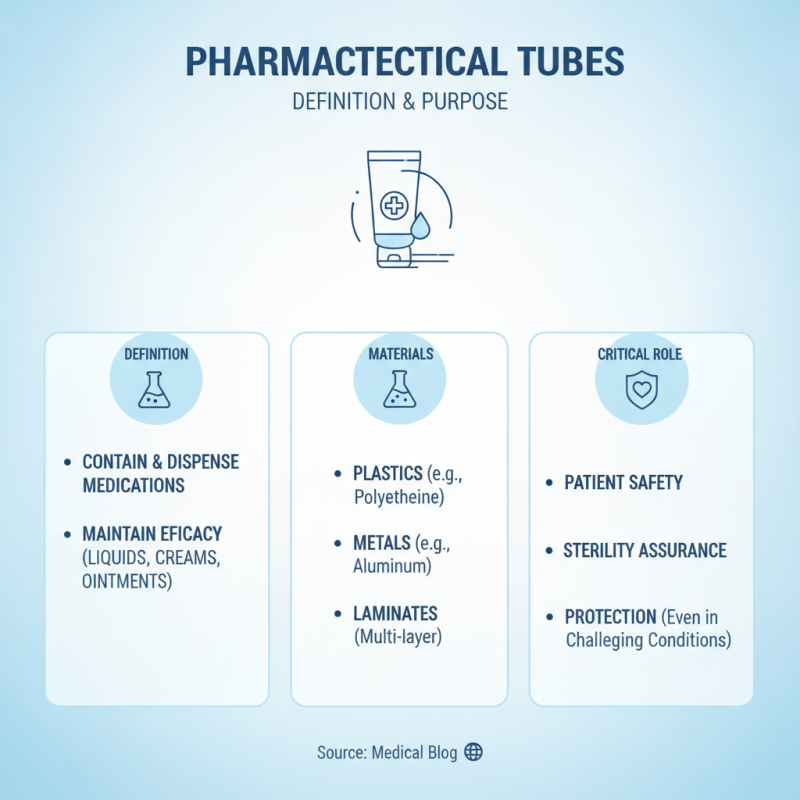
Pharmaceutical tubes serve a critical role in medicine. They are typically designed to contain, dispense, and deliver medications. Made from various materials, these tubes must ensure safety and sterility. They help maintain the efficacy of liquid drugs, creams, or ointments, even in challenging conditions.
When discussing their purpose, it’s crucial to understand the importance of proper labeling. Accurate labels ensure correct dosages and prevent medication errors. Consistent quality control during production is vital. Any deviation can lead to serious consequences.
Tip: Always check the expiration date on pharmaceutical tubes before use. Improperly stored items might degrade over time. Users must also be aware of the materials in contact with the medication. Some materials may react with certain active ingredients.
Pharmaceutical tubes are often overlooked, yet they play an essential role in healthcare delivery. Their design incorporates features that safeguard the integrity of the product. Small design flaws can lead to leaks or contamination, which must be addressed diligently. Every small detail matters in pharmaceutical applications to ensure patient safety.
Materials Used in Pharmaceutical Tubes
Pharmaceutical tubes are essential in the packaging of medications. They ensure product stability and safety. The materials used in these tubes greatly influence their effectiveness and reliability. Commonly, pharmaceutical tubes are made from plastics, aluminum, or multilayer composites. Each material has distinct advantages.
Plastic tubes, often formed from polyethylene or polypropylene, are lightweight and resistant to chemicals. They can provide an excellent barrier against moisture and air. Aluminum tubes, on the other hand, offer a robust defense against light and oxygen. This is crucial for the preservation of potent medicines. Multilayer tubes combine the benefits of various materials to enhance performance. They often include an inner layer that preserves the product and an outer layer that offers mechanical strength.
While these materials offer advantages, they also present challenges. For instance, certain plastics may interact with specific formulations. This can lead to contamination or degradation of the product. Manufacturers must carefully choose materials to avoid these pitfalls. Continuous research is vital to improve the quality of pharmaceutical tubes and enhance their functionality.
Key Features and Specifications of Pharmaceutical Tubes
Pharmaceutical tubes play a vital role in the packaging and delivery of medications. These tubes are designed to ensure the integrity of pharmaceutical products. They are typically made from materials like plastics, which are both durable and lightweight.
A key feature of pharmaceutical tubes is their barrier properties. These properties protect the contents from moisture and oxygen, which can degrade medications. Many tubes also come with tamper-evident seals. This adds an extra layer of security, ensuring the safety of the products within. In addition, some tubes are designed for ease of dispensing. This allows for precise application of ointments or creams, reducing waste and improving user experience.
Another important specification is the closure mechanism. Screw caps, flip-tops, or spouts can provide convenience while maintaining sterility. The size of the tube often ranges from small travel sizes to larger quantities for chronic treatments. However, the designs are not always perfect. Some users find certain mechanisms tricky to open or close properly. Ensuring consistent quality in manufacturing remains a challenge. Despite these flaws, pharmaceutical tubes remain essential for effective healthcare delivery.
Key Features of Pharmaceutical Tubes
Applications of Pharmaceutical Tubes in the Industry
Pharmaceutical tubes play a vital role in various industries. These tubes are often used for packaging, dispensing, and storing medications. They help in preserving the integrity of sensitive substances. The material used is often plastic or aluminum. This choice ensures protection against moisture and contamination.
In the healthcare sector, pharmaceutical tubes are used to contain ointments, gels, and creams. They ensure precise dosage applications, reducing the risk of overuse. By using tubes, manufacturers can also promote longer shelf life for products. Some tubes even come with unique dispensing mechanisms. This innovation enhances user convenience.
However, companies must continually evaluate whether their tube designs meet user needs effectively.
Tips: Always consider the environment when choosing materials. Look for recyclable options. It reflects responsibility and sustainability. Also, ensure your dispensers are easy to use. Complex mechanisms can frustrate users. Test your products with real consumers to gather feedback. This can improve design and functionality significantly.
Regulatory Standards and Compliance for Pharmaceutical Tubes
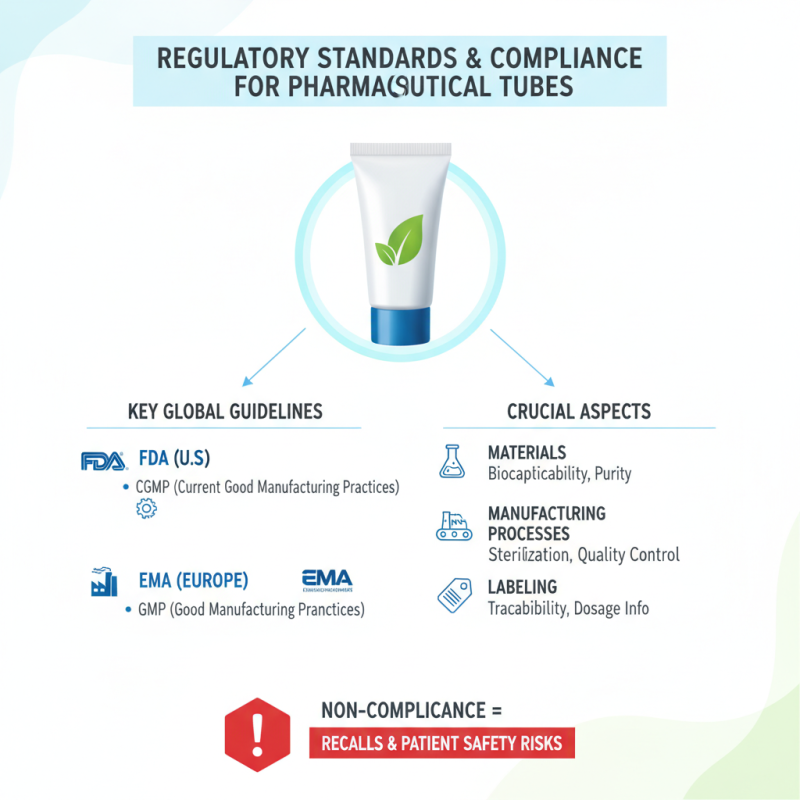
Regulatory standards for pharmaceutical tubes are crucial. They ensure safety and efficacy in healthcare. Various guidelines exist globally, including those from the FDA and EMA. These guidelines dictate materials, manufacturing processes, and labeling. For instance, the FDA mandates compliance with CGMP (Current Good Manufacturing Practices). Non-compliance can lead to recalls, impacting patient safety.
Pharmaceutical tubes must be resistant to chemical leaching and physical degradation. Reports indicate that over 30% of product recalls are due to packaging failures. This emphasizes the necessity for rigorous testing. Companies must conduct stability studies to ensure shelf-life. Moreover, regulations require thorough documentation to trace product integrity.
Tips for manufacturers: Always stay updated on regulatory changes. Implement regular training to ensure compliance. Conduct internal audits to identify areas for improvement. Investing in quality control can prevent costly recalls and enhance reputation. A proactive approach can streamline compliance processes and enhance overall product quality.