Top Pharmaceutical Tube Suppliers for Global Buyers?
In the rapidly evolving world of pharmaceuticals, the demand for high-quality Pharmaceutical Tubes is on the rise. Dr. Emily Carter, a leading expert in pharmaceutical packaging, emphasizes, “The right packaging can dramatically influence product stability and safety." This highlights the importance of selecting reliable suppliers.
Global buyers seek trustworthy partners for their Pharmaceutical Tube needs. Quality, durability, and compliance with regulations are vital factors. A reliable supplier not only ensures safety but also enhances a company's reputation in the industry. Yet, the market is saturated, making it challenging to choose.
The landscape is changing. New suppliers emerge, offering innovative solutions. However, the search for excellence is ongoing. Not every supplier can meet stringent requirements. Buyers must remain vigilant to ensure they partner with the best in the field. The perfect supplier may not exist, but aspiring for the ideal ensures progress.

Top Pharmaceutical Tube Suppliers: Industry Overview and Market Trends
The pharmaceutical tube supply market shows notable growth trends. According to recent data, the sector was valued at approximately $2 billion in 2022 and is expected to grow at a CAGR of 5.7% through 2030. This increase reflects a robust demand for functional packaging solutions in various therapeutic areas.
Many manufacturers are pivoting towards sustainable materials. However, challenges remain. Research indicates that a significant portion of the market still relies on traditional plastic. The shift to eco-friendly options is slower than anticipated, highlighting the industry's struggle with cost and innovation. Notably, the global emphasis on reducing plastic waste puts pressure on suppliers to adapt.
Moreover, quality control remains a critical concern. A study showed that nearly 15% of pharmaceutical packaging fails to meet regulatory standards. This raises questions about safety and compliance. Suppliers must enhance their quality assurance processes to avoid potential pitfalls. Engaging in continuous improvement and being open to feedback will be essential for maintaining a competitive edge in this evolving landscape.
Top Pharmaceutical Tube Suppliers - Market Share Distribution
Key Factors Driving Selection of Pharmaceutical Tube Suppliers Globally
When selecting pharmaceutical tube suppliers, key factors influence global buyers. Quality assurance remains a top priority. According to a report by Grand View Research, the global pharmaceutical packaging market size was valued at over USD 200 billion in 2021 and is expected to expand at a CAGR of 6.7%. This trend underscores the pervasive demand for reliable and efficient packaging solutions.
Sustainability is also critical. Many suppliers are now adopting eco-friendly materials, aligned with global sustainability goals. A study from Smithers reported that over 50% of pharmaceutical companies are actively seeking suppliers who prioritize sustainable practices. Furthermore, regulatory compliance is non-negotiable. Suppliers must meet stringent guidelines, ensuring product safety and efficacy.
Technical support plays an essential role in supplier selection. Around 30% of buyers report that access to expert advice was a determining factor in their choice. While numerous suppliers claim expertise, not all provide adequate support in product development. Transparency in operations and clear communication channels can enhance trust between suppliers and buyers. This dynamic is vital as the industry evolves amidst growing competition and innovation.
Major Players in the Pharmaceutical Tube Market: Profiles and Offerings
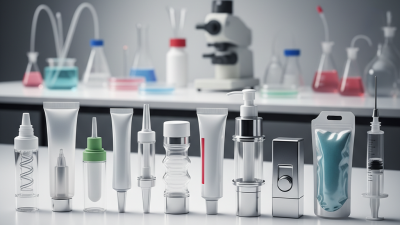
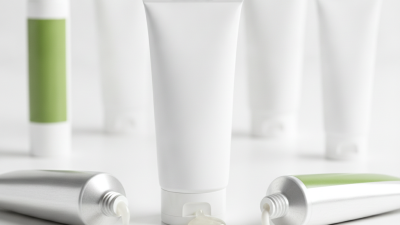
The pharmaceutical tube market is vital for the healthcare industry. Various suppliers cater to specific needs. They provide different types, like squeeze tubes and laminated tubes, ensuring product integrity.
Tips: Always assess the supplier’s certification. This ensures compliance with industry standards. Reliable companies prioritize quality control.
Major players have diverse offerings. Some focus on customizable solutions for drug packaging. Others provide eco-friendly materials, reflecting market trends. However, innovation can lag behind consumer demand. Suppliers may not always adapt quickly, so constant evaluation is essential.
Tips: Check for innovation practices in supplier profiles. A progressive approach indicates a commitment to evolving market needs. Compare offers from multiple suppliers before making a choice.
Global Pharmaceutical Tube Market Size and Growth Forecasts (2023-2030)
The global pharmaceutical tube market is witnessing significant growth, projected to reach approximately USD 5.3 billion by 2030. This growth is attributed to the increasing demand for efficient drug delivery systems. The industry is expanding at a CAGR of around 6.2% from 2023 to 2030. One driving factor is the rise in chronic diseases requiring precise treatment solutions. Pharmaceutical tubes are essential for packaging liquid medications safely.
Recent reports highlight the surge in demand for sustainable packaging. Alongside convenience, manufacturers are exploring eco-friendly materials. There is a marked shift towards biodegradable options. However, the challenge lies in balancing cost and functionality. Not all new materials meet regulatory standards effectively.
Innovation in manufacturing processes is critical. Companies are investing in advanced technologies to enhance production efficiency. Yet, the speed of innovation puzzles many within the sector. Are current developments keeping pace with the market needs? As these trends evolve, stakeholders must adapt swiftly to remain competitive.
Sustainability in Pharmaceutical Tube Manufacturing: Innovations and Compliance
Sustainability has become a crucial focus in pharmaceutical tube manufacturing. Many manufacturers are exploring eco-friendly materials such as bioplastics. These materials reduce reliance on traditional plastics and lower carbon footprints. Innovations in production processes also play a key role. For instance, energy-efficient machinery minimizes waste and conserves resources.
Compliance with environmental standards is no longer optional. Regulatory bodies are tightening guidelines to ensure responsible manufacturing. Companies that meet these standards often gain a competitive edge. However, there can be challenges in adopting sustainable practices. Transitioning to new materials may require significant investment and research. It can be difficult for manufacturers to balance cost and sustainability.
While progress is evident, the industry still faces hurdles. Not all sustainable materials are suitable for pharmaceutical applications. Some may not provide the required barrier properties. As the demand for sustainable products grows, the industry needs to innovate continually. This will enhance both compliance and product quality. Continuous reflection on practices will be essential for true sustainability.