A toothpaste tube looks simple, but its material stack can shape how it performs and whether it fits existing recycling systems. The OECD’s Global Plastics Outlook reports that only 9% of global plastic waste was recycled in 2019. That figure covers all plastics, not toothpaste tubes, so it should not be treated as a tube-specific recycling rate. Still, it shows why packaging design deserves careful attention.
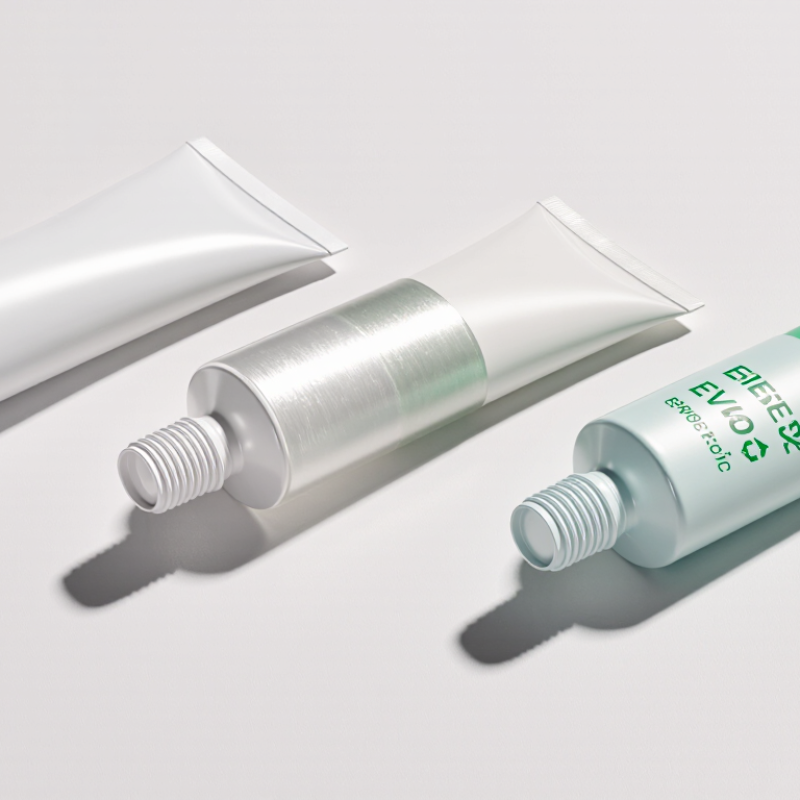
A Mono Pe Toothpaste Tube typically uses polyethylene across most or all of its body, shoulder, and closure. Common options include co-extruded all-PE tubes, tubes with a thin EVOH barrier layer, and designs incorporating post-consumer recycled PE. These structures balance squeeze feel, product protection, sealing, and material compatibility in different ways. Some are easier to identify as mono-material than others. Details matter.
This guide compares the main types by construction, barrier performance, recycled content, and practical use. It also considers how caps, shoulders, and labels can affect the finished pack. The Association of Plastic Recyclers’ Design Guide and RecyClass design guidance offer useful technical frameworks for assessing packaging compatibility, but local collection and sorting access still matter. A tube described as recyclable is not automatically recycled. Buyers should request supplier specifications and supporting test data, then check the claims against their own market conditions. That extra check can feel tedious. It is worth doing.
What Are the Top Types of Mono PE Toothpaste Tubes?
How Mono PE Toothpaste Tubes Are Defined
A mono PE toothpaste tube is designed so its main packaging parts use polyethylene, or PE. These usually include the tube body, shoulder, and cap. The goal is to keep the package within one polymer family, rather than combining PE with materials such as aluminum or incompatible plastics. Mono does not mean perfectly pure: inks, additives, tie layers, or a thin barrier may still be present. That boundary is not always neat.
The design matters because packaging creates a large waste stream. The OECD’s Global Plastics Outlook: Economic Drivers, Environmental Impacts and Policy Options reports that packaging accounted for 40% of global plastic waste in 2019. A PE-focused tube can be easier to sort and recycle where suitable collection and processing exist. But material choice alone does not guarantee acceptance. Local facilities, tube shape, residual toothpaste, and barrier construction all affect outcomes. I would avoid calling every PE-heavy tube recyclable without checking its full structure and local guidance.
In practice, ask whether the body, shoulder, and cap are PE, and whether any barrier layer is compatible with the intended recycling stream. A supplier’s material specification or independent recyclability assessment can help verify that claim. Small details matter. A tube may look like one material while containing layers that behave differently during recycling.

Extruded mono PE toothpaste tubes are made by pushing polyethylene through a shaped die to form a continuous tube body. The body is cut to length, fitted with a shoulder and nozzle, then sealed at the tail. It has a smooth, flexible feel. The wall can also be printed or decorated, though ink and color choices may affect recycling compatibility.
For toothpaste, the structure must balance squeezeability with protection from air, moisture, and flavor loss. Polyethylene alone may provide less barrier protection than some multilayer structures, so the finished pack needs testing with its specific formula and expected storage conditions. Small details matter: shoulder material, cap design, pigments, and labels can all influence whether the package is suitable for mono-material recycling. A “mono PE” claim is not a guarantee. Actual recovery depends on the full pack design and local sorting systems. Extruded tubes can also feel less rigid than expected, and that may not suit every product or user. The trade-off deserves honest testing, not assumptions.
All-PE laminate toothpaste tubes use polyethylene layers to form the tube body, rather than combining several different plastic types. Each layer can serve a different purpose: the inner surface holds the paste, while outer layers add stiffness and support printing. The structure is designed to keep the tube flexible and sealable. In practice, performance depends on the exact layer design.
A tube must handle repeated squeezing without splitting at the shoulder or tail. It also needs to protect toothpaste from moisture and air, which can affect texture and freshness. These demands can make material choices a balancing act. More layers do not automatically mean better performance.
The all-PE format may fit recycling systems that accept compatible polyethylene packaging, but local collection and sorting conditions matter. Caps, inks, labels, and adhesives can affect how easily a package is processed. That detail is easy to overlook. A tube may be described as all-PE, yet its full packaging system still deserves careful review. Testing with the intended toothpaste and recycling pathway helps reveal trade-offs before production. No structure is perfect.
| Tube Type | Typical Material Construction | Key Characteristics | Common Application | Design Considerations |
|---|---|---|---|---|
| Standard All-PE Laminate Tube | Multiple polyethylene layers laminated together, typically combining an outer printable layer with an inner sealant layer. | Uses PE-based layers throughout the tube body and is designed as an alternative to laminates that use dissimilar barrier materials. | Everyday toothpaste formulations with packaging requirements that can be met by a PE-based laminate. | Barrier performance and product compatibility should be tested with the specific toothpaste formulation and intended shelf life. |
| MDO-PE / PE Laminate Tube | Machine-direction-oriented polyethylene film laminated to a PE sealant layer. | The oriented outer film can improve stiffness and support a smooth printable surface while retaining a PE-based structure. | Printed toothpaste tubes where appearance, handling, and material reduction are important design goals. | Film orientation, laminate construction, and tube-forming conditions affect flexibility, seam strength, and machinability. |
| PE Laminate with Mixed PE Grades | Layers made from different polyethylene grades, such as HDPE, MDPE, LDPE, or LLDPE, selected for different functions. | Different PE grades can be used to balance stiffness, flexibility, impact resistance, and heat-sealing performance. | Tube designs requiring a tailored combination of body feel, squeeze behavior, and sealing performance. | The exact grade combination is supplier-specific; the complete laminate and finished tube need performance testing. |
| PE Laminate with Enhanced Barrier Design | An all-PE laminate using selected PE layers, film thicknesses, or PE-based formulations to improve barrier performance. | Can offer improved protection compared with a basic PE construction, but performance depends on the complete structure and formulation. | Toothpaste products that need more protection from moisture loss, odor transfer, or external environmental exposure. | Barrier results vary by construction. Confirm measured performance against product stability and shelf-life requirements. |
| All-PE Tube System with PE Shoulder and Cap | PE-based laminate tube body combined with a polyethylene shoulder and cap. | Extends the PE material approach beyond the tube body to additional package components. | Packaging designs aiming to use compatible PE materials across the tube, shoulder, and closure. | Component compatibility does not by itself guarantee recyclability; decoration, adhesives, closures, and local collection rules also matter. |
| Selection note: “Mono-PE” describes a PE-based material approach, but constructions and performance vary by supplier. Verify the full bill of materials, product compatibility, barrier performance, sealing behavior, and acceptance by the intended recycling system before specifying a tube. | ||||
Barrier-enhanced mono PE toothpaste tubes are designed to slow oxygen and moisture movement while keeping the package predominantly polyethylene. This matters because toothpaste can dry out or change consistency when exposed to air. A tube may use a thin barrier layer or coating within its PE structure. The exact design varies.
In use, the tube should squeeze smoothly, hold its shape, and protect the paste between openings. A useful test is practical: squeeze from the sealed end, fold the tail, and check whether paste seeps through the shoulder or cap area. Those details matter. The cap, shoulder, and seal must work with the tube body, not just look compatible on a material specification sheet.
Barrier performance depends on the toothpaste formula, storage conditions, and expected shelf life. A high-barrier structure may be unnecessary for some products, while a sensitive formula may need more protection. There is a trade-off: added layers can complicate recycling if they are not designed for compatible PE recycling streams. “Mono PE” does not automatically guarantee acceptance everywhere. Confirm the full package construction and test it with the intended product before selecting a tube. That step is easy to overlook.
Mono PE toothpaste tubes made with recycled PE content are designed to keep polyethylene as the main tube material. Recycled PE may be incorporated into the tube body or a core layer, depending on the structure. The inner layer still needs to protect the paste, while the tube must seal cleanly and squeeze without splitting. The exact recycled share varies by design. Small details matter.
Recycled resin can affect color, odor, stiffness, and processing, so samples should be checked against the filling line and intended product. A tube that looks fine on a desk may behave differently after filling, sealing, and repeated squeezing. That is not automatic. Ask for clear documentation of recycled content and test the finished pack, including its cap and shoulder. Mono PE construction can support recycling where suitable collection and sorting systems exist, but it does not guarantee that a tube will be recycled. The practical choice is a format that balances verified recycled content with barrier performance, reliable seals, and a familiar feel in the hand. One trade-off may remain: higher recycled content can narrow the options for color or appearance.
Illustrative construction scenarios, showing the target share of recycled polyethylene (PCR) in the tube’s PE components.
The percentages are example formulation targets, not market-share figures or guaranteed specifications. Actual recycled content depends on resin quality, tube performance requirements, manufacturing capability, and applicable regulations.